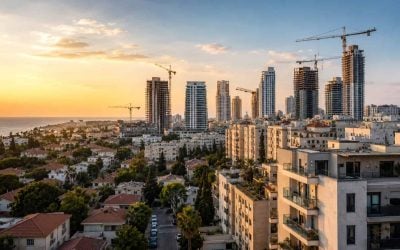
Where to find affordable housing in Israel?
Affordable housing in Israel is found outside Tel Aviv and Jerusalem. The cheapest cities are Dimona and Netivot (apartments ₪520,000-₪700,000), Tiberias (~₪850,000) and Afula (~₪890,000-₪950,000). Be’er Sheva is the most affordable major city (4-room ~₪1.28M), while Haifa offers full city life with 4-room apartments around ₪1.9M.
Speak with Semerenko Group:
🇺🇸 +1 978 662 7657 · 🇨🇦 +1 343 338 2947 · 🇬🇧 +44 800 229 4152 · 🇮🇱 +972 9 376 1873 · WhatsApp 052 515 5901
Affordable Cities, Rooms, and Prices Mentioned in This Article
| City or area | Rooms or property type mentioned | Price mentioned | What the article says |
|---|---|---|---|
| Israel national average | Average apartment | ~₪2.33M | National average is pulled upward by Tel Aviv, Jerusalem, and central hubs. |
| Dimona and Netivot | Apartments | ₪520,000-₪700,000 | Among the cheapest purchase markets mentioned in the article. |
| Tiberias | Apartments | ~₪850,000 | Lower-cost Galilee option, often relevant for investors or holiday-home buyers. |
| Afula | New apartments | ~₪890,000-₪950,000 | Growing northern city with new construction and family demand. |
| Be’er Sheva | 4-room apartment | ~₪1.28M | The most affordable major city mentioned in the article. |
| Haifa | 4-room apartment | ~₪1.9M | Full city life at a lower price than Tel Aviv. |
| Haifa, including Hadar | Smaller, older apartments | Under ₪950,000 | Lower entry point, but building condition and neighborhood fit matter. |
| Ramla and Lod | Older 3-room apartments | ~₪950,000-₪1.1M | Central-access cities with urban renewal and rental-demand potential. |
| Petah Tikva | Apartments | ~₪1.9M-₪2.1M | Central-area alternative for buyers priced out of Tel Aviv. |
| Hadera | Family apartments | Usually compared in the ₪1.5M-₪2.5M budget range | Middle-ground option between Haifa and Tel Aviv, but not always cheap anymore. |
| Ashkelon | Larger family apartments and newer buildings | Usually compared in the ₪1.5M-₪2.5M budget range | Affordable coastal city with security-related market sensitivity. |
| Jerusalem | 4-room apartment | Over ₪3M | Expensive overall, with relatively cheaper options in outer neighborhoods. |
| Gilo and Pisgat Ze’ev | Outer Jerusalem neighborhoods | No exact number listed | Mentioned as more affordable Jerusalem alternatives. |
| Tel Aviv | Cheap house or apartment | No exact number listed | Cheap property in Tel Aviv proper is difficult to find. |
| Bat Yam and Holon | Adjacent-city alternatives to Tel Aviv | No exact number listed | Can offer lower prices with quick access to Tel Aviv. |
| Ashkelon and Nahariya | Beachfront property | No exact number listed | Mentioned as more affordable beachfront alternatives compared with the central coast. |
| Netanya | Better neighborhoods for higher-budget buyers | Usually compared in the ₪2.5M-₪4M budget range | Appears in the higher affordable budget band for buyers seeking stronger locations. |
Affordable homes for sale in Israel do exist in 2026, well away from the headline prices of Tel Aviv and Jerusalem. While the national average apartment sits around 2.33 million shekels, that figure is skewed by central hubs; southern cities and Galilee towns still offer surprisingly budget-friendly apartments and houses. This guide shows where value lives and what drives those lower prices.
Dreaming of buying a home in Israel, a country rich with history, innovation, and breathtaking landscapes? It might seem like a pricey dream, especially when headlines constantly highlight skyrocketing prices in Tel Aviv or Jerusalem. But here’s the good news: hidden gems across the country offer surprisingly affordable options that can fit almost any budget.
Whether you’re a first-time homebuyer making Aliyah, an investor looking to maximize your returns, or simply seeking a more affordable lifestyle, Israel still has pockets of affordable housing that might just surprise you. This guide will walk you through everything you need to know about the cheapest real estate in Israel, from Apartments in burgeoning southern cities to charming Houses in the Galilee.
Let’s dive into Israel’s real estate market, highlighting affordable cities and neighborhoods, and understanding what drives these lower prices in 2026.
Understanding Israel’s Real Estate Market in 2026
It’s no secret that Israel has been facing a housing affordability crisis. As of Q1 2026, the average price of an apartment in Israel is approximately ₪2.33 million. However, this number is heavily skewed by the high prices in central hubs. Understanding the market dynamics is key to finding value.
What Makes a City “Affordable”?
In real estate, “affordable” typically means spending less than 30% of your household income on housing. Three main factors influence this:
- Home Prices: Lower average home prices are the most direct path to affordability.
- Mortgage Interest Rates: Favorable rates mean smaller monthly payments.
- Income Levels: Higher local salaries relative to home prices improve affordability.
Practical affordability factors to compare: A 2026 affordability comparison should also weigh distance from employment centers, rail and transportation access, building age, security considerations, school demand, foreign-buyer activity, rental-demand strength, and realistic urban-renewal potential. A cheaper apartment is not automatically better if those factors weaken resale or day-to-day fit. Before committing, also compare ongoing running costs city by city in our guide to average rent and cost of living in Israel.
With these factors in mind, here is your guide to the best affordable cities to buy a home in Israel.
What Different Budgets Can Buy in Israel in 2026
In 2026, affordability has to be measured city by city, neighborhood by neighborhood, and building by building. A national average price does not tell a buyer what they can actually buy in Haifa, Be’er Sheva, Ashkelon, Hadera, Afula, Dimona, or Netivot.
Budget Range: ₪900,000-₪1.5M
This budget is usually limited to older apartments in Be’er Sheva, smaller apartments in Haifa, peripheral cities in the north or south, apartments needing renovation, and investor-oriented units. It can work, but buyers must check building condition, protected-room status, parking, elevator access, and resale liquidity.
Budget Range: ₪1.5M-₪2.5M
This is one of the broadest buying ranges for affordable homes in Israel. Buyers may find family apartments in Haifa, apartments in Hadera, larger units in Ashkelon, some sea-adjacent inventory outside prime coastal zones, and newer projects in peripheral growth cities.
Budget Range: ₪2.5M-₪4M
This range can open entry-level Jerusalem family apartments, smaller Tel Aviv apartments, better neighborhoods in Netanya, higher-quality projects in commuter cities, and properties that may fit Anglo buyers who need stronger community infrastructure.
Northern Israel: Value, Views, and Variety
Northern Israel, or the Galilee, provides breathtaking landscapes, a more relaxed pace of life, and some of the country’s most wallet-friendly housing options. If you’re looking for deals in North Israel, this is the region for you.
Haifa: Big City Life, Smaller Price Tag
As Israel’s third-largest city, Haifa offers a vibrant urban experience with a diverse job market, especially in tech and industry. Yet, it remains significantly more affordable than Tel Aviv. Recent 2026 market coverage also pointed to stronger secondhand transaction activity in Haifa, which makes neighborhood-level comparison especially important.
- Average Prices: A 4-room apartment in Haifa averages around ₪1.9 million. You can find smaller, older apartments For Sale in Haifa, particularly in neighborhoods like Hadar, for under ₪950,000.
- Why Haifa? It boasts a strong job market, excellent transportation (including direct trains to Tel Aviv), beautiful beaches, and a culturally rich, diverse population. It’s one of the best affordable cities to buy a home for those who don’t want to sacrifice urban amenities.
Tiberias and Afula: Hidden Gems of the Galilee
For those seeking even more affordable properties for sale in Israel, Tiberias and Afula are excellent choices.
- Tiberias: Located on the stunning Sea of Galilee, apartments here average around ₪850,000, making it a fantastic option for investors or those looking for a holiday home.
- Afula: Known as the “Capital of the Valley,” Afula is experiencing a construction boom, with many new apartments available for around ₪890,000-₪950,000. It’s a growing community perfect for families.
Central Israel: Where Affordability Meets Accessibility
While the center of the country is notoriously expensive, several cities offer a perfect balance of affordability and proximity to major economic hubs.
Ramla and Lod: Affordable and on the Rise
Strategically located between Tel Aviv and Jerusalem, Ramla and Lod are undergoing massive urban renewal projects, making them smart investment choices.
- Typical Home Prices: You can often find older three-room apartments for around ₪950,000-₪1.1 million.
- Why Ramla & Lod? Their proximity to major highways and Ben-Gurion Airport, coupled with strong Rental demand, offers great potential for property value appreciation.
Petah Tikva: The Rising Tech Hub
Just east of Tel Aviv, Petah Tikva provides a more affordable alternative for professionals working in the center. Apartments here average around ₪1.9-₪2.1 million, a significant saving compared to its neighbors. It’s an ideal spot for those seeking a shorter commute without the Tel Aviv price tag.
Hadera: Middle Ground Between Haifa and Tel Aviv
Hadera is no longer a truly cheap city, but it still gives buyers a middle-ground option between the high prices of central Israel and the lower prices of the north.
- Why Hadera? Train connectivity, coastal access, family demand, and new construction make it attractive for buyers who want access to the center without paying Tel Aviv prices.
- Main Risk: Some newer projects already price in commuter demand. Buyers should compare closed transactions, not just asking prices, before assuming Hadera is still cheap.
Southern Israel: Discovering Bargains in the Desert
For the absolute cheapest real estate in Israel, look south. The Negev region offers incredible value, high rental yields, and a unique, community-oriented lifestyle.
Ashkelon: Affordable Coastal Living With a Security Discount
Ashkelon remains materially cheaper than much of central coastal Israel, while still offering larger apartments, newer buildings, coastal access, and family neighborhoods.
- Why Ashkelon? Buyers often target larger family apartments, newer buildings, coastal access, and investor-oriented rentals at prices below many central coastal cities.
- Main Risk: Ashkelon has security-related market sensitivity. During unstable periods, buyer confidence and resale liquidity can weaken, so the discount must be real enough to justify the risk.
Be’er Sheva: The Capital of Opportunity
As the gateway to the Negev, Be’er Sheva is a bustling university city with a rapidly growing tech sector.
- Average Prices: A 4-room apartment averages around ₪1.28 million, making it the most affordable major city in Israel.
- Why Be’er Sheva? Home to Ben-Gurion University, a large student population ensures high rental demand for investors. New housing developments are providing modern, affordable options for families.
Dimona and Netivot: The Most Affordable Towns
These smaller Negev towns represent some of Israel’s lowest property prices, with average apartments costing between ₪520,000 and ₪700,000. Recent investments in infrastructure, including improved rail connections, are boosting their appeal. These are the places to look for truly cheap houses in Israel for sale.
Finding Affordable Pockets in Jerusalem and Tel Aviv
While these cities are Israel’s most expensive, it’s not impossible to find deals if you know where to look.
- Jerusalem: While the average 4-room apartment in Jerusalem is over ₪3 million, neighborhoods like Gilo or Pisgat Ze’ev offer more affordable homes for sale. While the “cheapest real estate jewish quarter jerusalem” is a common search, this historic area is one of the most expensive. A better strategy is to look for cheap apartments for sale in Jerusalem’s outer neighborhoods.
- Tel Aviv: Finding a cheap house for sale in Tel Aviv proper is a challenge. However, looking at adjacent cities like Bat Yam or Holon can yield more affordable options with a quick commute to the city.
A Guide to Affordable Property Types in Israel
Your budget will also be influenced by the type of property you choose.
- Apartments/Condos: The most common and affordable option, especially in cities.
- Houses/Villas: Generally more expensive but offer more space. Look for cheap houses in peripheral towns and moshavim.
- Land: Buying land for sale in Israel and building your own home can be a cost-effective strategy, particularly in the Negev and Galilee.
- Beachfront Property: This comes at a premium, but towns like Ashkelon or Nahariya may offer more affordable beachfront property for sale in Israel compared to the central coast.
What Anglo and Foreign Buyers Often Misjudge
Many foreign buyers compare Israel to North American pricing logic. That can be dangerous because Israel’s housing market is much more location-sensitive, building-sensitive, and infrastructure-sensitive than many buyers expect.
- Size is not everything: A smaller apartment in a stronger location can be safer than a larger apartment in a weaker city.
- Renovation costs are often underestimated: Older apartments may need electrical work, plumbing upgrades, facade repairs, elevator modernization, windows, air conditioning, or major interior renovation.
- Building details matter: Parking, elevator access, storage, protected room status, building maintenance, stairs, slope, and neighborhood micro-location can materially change value.
- Asking prices are not closed prices: In slower markets, sellers may ask for prices that buyers are no longer willing to pay. Recent market reporting also showed housing prices softening in parts of Israel, so recent closed transactions matter more than old asking anchors.
Best Affordable Cities by Buyer Type
First-time buyers should focus on cities with stable long-term demand, transportation access, schools, family infrastructure, and buildings that do not require major renovation.
Investors should look past gross yield and check real net yield after taxes, maintenance, vacancy risk, building condition, tenant quality, and future supply.
Foreign buyers planning future Aliyah should prioritize English-speaking community fit, transportation, family infrastructure, liquidity, and resale stability. The cheapest city is not always the correct city.
Risks and Tradeoffs Buyers Should Understand
- Interest rate exposure: Mortgage affordability in Israel remains sensitive to financing costs, bank approval, loan structure, and monthly repayment ability.
- Weak liquidity in cheap markets: Lower-priced cities can be harder to exit during slower periods, especially if demand is mostly investor-driven.
- Urban renewal assumptions: Many buyers overpay because they expect Tama 38 or pinui-binui upside that may never happen.
- Overbuilding risk: Some peripheral cities have large new-supply pipelines. Too much competing inventory can weaken resale leverage for older apartments.
Questions to Ask Before Buying in an Affordable Israeli City
- What are recent closed transaction prices?
- How long do apartments stay on the market?
- Is demand coming from real families or mostly investors?
- Are infrastructure projects confirmed or only promised?
- What condition is the building actually in?
- How much competing inventory exists nearby?
- How easy will this apartment be to resell in a weaker market?
How to Buy a Home in Israel: A Step-by-Step Guide
Navigating the process of buying a house in Israel can be straightforward if you follow these steps. For more buyer-focused information from an English-speaking team, see our buy property in Israel information page:
- Calculate Your Budget: Use an online affordability calculator and factor in your income, expenses, and potential down payment.
- Get Mortgage Pre-Approval: Speak with a mortgage specialist to understand your borrowing capacity. This gives you a clear budget to work with.
- Find a Real Estate Agent: A good agent is crucial. Look for reputable agencies with experience in the areas you’re interested in, such as Remax Israel or Century 21 Israel.
- Search for Properties: Use online portals. While many search for “Zillow Israel,” the most popular local sites are Yad2 and Madlan.
- Make an Offer and Negotiate: Once you find a property, your agent will help you submit an offer and negotiate the price.
- Legal Due Diligence: Hire a real estate lawyer to conduct a thorough check of the property’s legal status and registration. This is a critical step in Israel.
- Sign the Contract and Close: Once your lawyer approves, you’ll sign the purchase contract and arrange for the transfer of funds and title.
Government Programs to Boost Affordability
The Israeli government offers several programs to help first-time homebuyers:
- Dira BeHanacha (Discounted Apartment): This is the successor to the popular Mechir Lamishtaken program. It’s a lottery system that offers significant discounts on new apartments to eligible first-time buyers.
- Subsidized Housing: There are various subsidized housing in Israel programs for low-income families and individuals.
- Grants for Peripheral Areas: The government often provides grants and incentives to encourage people to buy homes and land in the Negev and Galilee.
Too Long; Didn’t Read (TL;DR):
- Cheapest Places: The most affordable housing in Israel is found in the south (Be’er Sheva, Dimona) and the north (Tiberias, Afula).
- Best Value: Cities like Haifa, Ramla, and Lod offer a great balance of affordability and access to jobs and amenities.
- Property Types: Apartments are the most affordable entry point. Consider buying land in the north or south for a long-term investment.
- Government Help: Look into government lottery programs like “Dira BeHanacha” for significant discounts on new properties.
- Key Steps: Get pre-approved for a mortgage, find a trusted real estate agent, and use local property websites for your search.
Take Action Today!
Buying a home in Israel is a significant milestone, and it doesn’t have to be an unattainable dream. By looking beyond the headlines and exploring the diverse and growing communities across the country, you can find the perfect home that fits your budget.
Ready to find your ideal affordable home in Israel? Start exploring these promising locations, evaluate your finances, and take the first step toward owning a piece of this incredible country. Your dream home could be closer, and cheaper, than you think.
Looking for the next step in Israeli real estate? You can visit the buy property in Israel information page to understand your options, costs, and what to prepare before speaking with an agent.
Speak with Semerenko Group:
🇺🇸 +1 978 662 7657 · 🇨🇦 +1 343 338 2947 · 🇬🇧 +44 800 229 4152 · 🇮🇱 +972 9 376 1873 · WhatsApp 052 515 5901

Semerenko Group makes Israeli real estate clear for English-speaking buyers, renters, olim, and investors, and connects serious clients with the right licensed professionals.
Published by Semerenko Group under the professional supervision of licensed Israeli real-estate broker Pinhas Menachem Reiss (License #324150). We provide information, technology, and introductions. Not legal, tax, or financial advice.