The landscape of Rishon LeZion is set for a modern transformation as Matslawi Building Company has reportedly secured a significant tender in the city’s heart. In a move reinforcing the resilience of Israel’s real estate market, the veteran Rambam neighborhood will soon see a wave of modernization, replacing aging infrastructure with hundreds of high-quality new residences while preserving local heritage.
The Blueprint for Growth
- Major Expansion: Matslawi has been chosen to lead a project constructing approximately 230 new apartments in Rishon LeZion’s Rambam neighborhood.
- Transformation: The plan involves demolishing 79 older units to make way for three modern 14-story residential towers.
- Strong Financials: The project carries an estimated revenue of 414 million NIS against projected costs of 350 million NIS.
- Heritage Preservation: In addition to new construction, a historic building on Yosef Feinberg Street will undergo strict preservation and renovation.
Revitalizing the Rambam Neighborhood
Urban renewal in Israel is about more than just concrete; it is about breathing new life into historic communities and maximizing land use in high-demand areas. This specific project targets a key residential block, promising to upgrade the standard of living for dozens of families while respecting the area’s architectural heritage through careful preservation efforts.
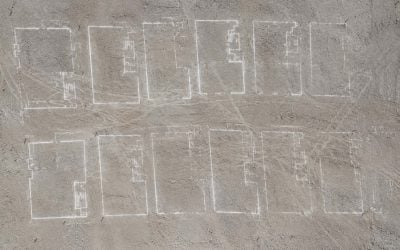
The project is situated on a 3,500-square-meter plot encompassing HaGaon MiVilna 2, HaDror 25–29, and Yosef Feinberg 1–3. The current site houses five aging residential structures containing 79 apartments. Under the new plan, these will be replaced by three residential towers rising 14 stories high. The scope of the construction is substantial, featuring approximately 27,000 square meters of residential space and an additional 10,000 square meters dedicated to underground parking. Notably, the plan includes a unique element: the renovation and preservation of a fourth building at Yosef Feinberg 3, ensuring the neighborhood retains a physical link to its past.
What Are the Economic Implications for Matslawi?
For any developer, the viability of a large-scale evacuation-reconstruction project rests on solid financial projections and market confidence. Matslawi’s latest venture demonstrates a calculated investment in the ongoing demand for housing in central Israel, backed by significant projected revenues that highlight the sector’s strength.
According to the company’s initial assessments, the project is expected to generate approximately 414 million NIS in revenue. This figure is based on an average sales price of roughly 26,000 NIS per square meter, a valuation derived from the specific characteristics of the planned apartments. With total costs estimated at 350 million NIS, the project presents a robust economic model. The apartment owners, represented by the law firm Reisman Deutsch, selected Matslawi to lead this initiative and are expected to sign a binding agreement shortly. The architectural vision is being steered by Shika Architects, with plans to be submitted to the local authority once the necessary tenant majority is formalized.
Building Momentum in Rishon LeZion
Consistency is key in the construction industry, and this recent win signals a deepening relationship between the developer and the city. By securing consecutive projects within a short timeframe, the company is establishing a stronghold in one of Israel’s most vital metropolitan centers, underscoring a long-term commitment to national development.
This victory follows a previous success in July 2025, when Matslawi was selected for another “Pinui-Binui” (evacuation-reconstruction) project on Vitkin Street in Rishon LeZion. That earlier project involves replacing 38 existing apartments with 114 new units. Sami Matslawi, Chairman and owner, emphasized that urban renewal is a primary growth engine for the company. He described the work as a “true mission” to renew veteran neighborhoods and improve residents’ quality of life. He pledged full cooperation with tenants and municipal planners to deliver a project of the highest standard.
| Feature | Current Status | Future Project Plan |
|---|---|---|
| Housing Units | 79 old apartments | ~230 new modern units |
| Structures | 5 aging residential buildings | 3 towers (14 stories) + 1 preservation building |
| Parking/Infrastructure | Limited/Outdated | ~10,000 sq meters of parking basements |
| Site Area | ~3,500 sq meters | ~27,000 sq meters built residential area |
Steps to Realization
To move from the tender win to ground-breaking, the following milestones must be achieved:
- Finalizing the Pact: The developer and the tenants must sign the binding agreement, solidifying the partnership.
- Securing the Majority: The company must ensure the required majority of apartment owners consent to the plan to proceed legally.
- Regulatory Approval: Detailed plans must be submitted to and approved by the Rishon LeZion local planning authority.
Glossary
- Pinui-Binui (Evacuation-Reconstruction): An Israeli urban renewal policy where old buildings are demolished to make way for new, high-density residential towers, with original tenants receiving new apartments.
- Preservation (Shimur): A zoning designation that protects buildings of historical or architectural significance from demolition, requiring them to be renovated instead.
- Urban Renewal: A comprehensive strategy to modernize city infrastructure, increase housing supply, and improve safety standards in older neighborhoods.
Methodology
This report is based on a news release dated January 18, 2026, regarding Matslawi Building Company Ltd. winning a tenant tender in Rishon LeZion. Financial estimates (revenue and costs) and project specifications (square footage, floor counts) are derived directly from the company’s preliminary assessments as cited in the text.
Frequently Asked Questions
Q: Who is responsible for the architectural design of the new project?
A: The architectural planning is being led by Shika Architects, a firm tasked with designing the three new residential towers and integrating the preservation building.
Q: How does this project differ from standard demolition projects?
A: Unlike standard projects that demolish all structures on a lot, this plan includes a specific “preservation” component. The building at Yosef Feinberg 3 will not be demolished or have floors added; instead, it will undergo a strict renovation to preserve its historical character.
Q: What is the estimated value of the apartments in this project?
A: The company’s revenue projections are based on an average sales price of approximately 26,000 NIS per square meter, reflecting the market value for new construction in this area of Rishon LeZion.
Q: Has Matslawi worked in Rishon LeZion before?
A: Yes. This is the company’s second major win in the city recently. In July 2025, they were chosen for a separate renewal project on Vitkin Street, further cementing their presence in the city.
The Path Forward
As Matslawi prepares to submit plans to the local authorities, this project stands as a testament to the vitality of Israeli urban planning. By balancing high-density modern living with historical preservation, the initiative promises to enhance the Rambam neighborhood’s character while addressing the critical need for housing. It is a clear signal that despite challenges, the work of building the Land of Israel continues with vigor and vision.
Key Takeaways
- Economic Strength: The 414 million NIS revenue projection highlights strong market confidence.
- Strategic Growth: Matslawi is rapidly expanding its footprint in Rishon LeZion with consecutive tender wins.
- Balanced Development: The project uniquely combines high-rise modernization with historical preservation.
Why We Care
This development is more than just a real estate transaction; it is a manifestation of Zionist resilience and growth. In a time when stability is paramount, the continuous rebuilding and upgrading of Israel’s cities—transforming old structures into safe, modern homes for hundreds of families—demonstrates a thriving domestic economy and an unwavering commitment to the future of the state.
If you are buying property in Israel, see buying property in Israel.
Want tailored help with buying, selling, renting, or financing property in Israel? Contact the Semerenko Group team and we will guide you through the next step.