
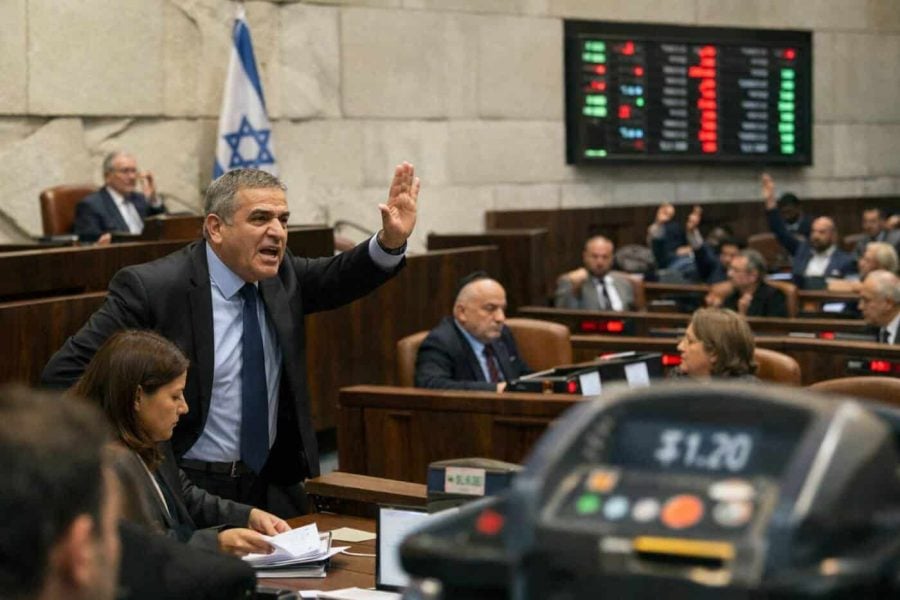
The daily commute in Tel Aviv, Jerusalem, and Haifa is about to become the center of a high-stakes political poker game. As the Knesset Finance Committee convenes, a critical bargain has emerged that directly links national fiscal responsibility to the wallet of the average citizen: pass the state budget, and millions of Israelis will be shielded from rising transport costs for a full year.
The Bottom Line for Israeli Commuters
- Absolute Freeze: Public transport fares will remain unchanged throughout 2026, provided the state budget is approved.
- Hikes Cancelled: Planned price increases scheduled for April and June have been officially postponed.
- The Price Tag: The government must locate 20 million shekels monthly to subsidize fares if the budget process stalls.
- Consumer Relief: The initiative is a direct response to the rising cost of living and previous sharp fare increases.
Economic Stability Hinges on Parliamentary Decisiveness
The linkage between fiscal policy and daily expenses has rarely been clearer, demonstrating the government’s intent to prioritize citizen welfare amidst global inflation.
On January 26, officials delivered a distinct promise to the Knesset Finance Committee: the volatility of public transport prices is ending, at least temporarily. If the 2026 state budget is ratified, the price of a bus or train ticket will not rise by a single agora during the coming year. This effectively keeps prices flat until at least January 2027. By tying the freeze to the budget, the coalition is incentivizing political unity, framing the budget’s passage not just as a bureaucratic necessity, but as a direct economic shield for the Israeli public.
What is the Real Cost of Subsidizing the Commute?
While the fare freeze offers relief to the public, the financial mechanics behind the scenes require robust funding sources to maintain equilibrium.
There is no such thing as a free ride, and officials were transparent about the costs involved. The price freeze is contingent on the budget’s approval; without it, the Ministry of Transport and the Finance Ministry are facing a shortfall. To keep prices down without the overarching budget framework, the government would need to identify a separate funding source to cover approximately 20 million shekels per month. This figure underscores the heavy subsidy required to insulate commuters from market forces, highlighting the government’s willingness to absorb costs to maintain social stability.
Strategic Governance in the Face of Inflation
Beyond mere numbers, this move represents a calculated effort to ease the “cost of living” pressure that has weighed heavily on the Israeli street.
This decision is not happening in a vacuum. It reflects a growing recognition among lawmakers of the frustration caused by the high cost of living. Fares have jumped significantly in recent years due to automatic indexing mechanisms. By pushing to block these automatic hikes and delaying the increases slated for April and June, the government is taking an active stance against inflation. It signals a shift from passive adherence to economic formulas toward active intervention aimed at protecting the Israeli consumer.
| Scenario | Status of Transport Fares | Government Financial Burden | Impact on Commuter |
|---|---|---|---|
| Budget Passes | FROZEN until Jan 2027 | Costs absorbed via Budget | Stable (No price shocks) |
| Budget Stalls | Risk of Increase | Needs 20M NIS/month external funding | Volatile (Potential hikes in April/June) |
Summary: The table illustrates that passing the budget provides the most stability for both the government’s long-term planning and the commuter’s wallet.
Watch List for the Commuting Public
- Monitor the Budget Vote: The primary trigger for the price freeze is the successful passing of the 2026 state budget in the Knesset.
- Watch April Deadlines: If political infighting delays the budget, verify if the “separate funding source” for the 20 million NIS subsidy has been secured before the April scheduled hike.
- Check Official Apps: Rely on official Ministry of Transport updates rather than rumors regarding fare changes in mid-2026.
Glossary
- Knesset Finance Committee: A key parliamentary committee in Israel responsible for reviewing the state budget, taxes, and economic regulations.
- State Budget: The government’s proposed financial plan, the approval of which is essential for the coalition’s survival and funding public projects.
- Shekel (NIS): The New Israeli Shekel, the currency of Israel.
- Automatic Indexing: A mechanism where prices (like bus fares) rise automatically based on economic indicators (like the CPI) without needing a specific vote.
Methodology
This report analyzes data presented to the Knesset Finance Committee on January 26, regarding the 2026 state budget and public transportation subsidies. Figures regarding the monthly subsidy costs (20 million NIS) and the schedule of postponements are derived from official statements reported by Israel National News, Calcalist, and Ynet.
Frequently Asked Questions
Q: Will public transport prices go up in April as originally planned?
A: No. Officials have stated that the planned increases for both April and June will be postponed. However, the long-term freeze depends on the budget passing.
Q: What happens if the Knesset fails to pass the 2026 budget?
A: If the budget is not passed, the government must find an alternative source of 20 million shekels per month to subsidize the tickets. If they cannot find this funding, the price freeze could be in jeopardy.
Q: Does this freeze apply to all of 2026?
A: Yes. The commitment is that fares will not rise at all during 2026, effectively pushing the next potential price change to January 2027.
Q: Why is the government doing this now?
A: It is a response to the high cost of living and public frustration over previous price hikes. It also serves to create public support for passing the state budget.
Securing the Road Ahead
The government’s pledge to freeze transport fares is a strong signal of its commitment to economic resilience. By linking this relief to the 2026 budget, leaders are creating a tangible incentive for political cooperation. For the average Israeli, this is a welcome reprieve from inflation, ensuring that the path to work, school, and home remains affordable. The focus now shifts to the Knesset floor, where political will must align with public necessity.
Key Takeaways
- Budget Dependent: The fare freeze is strictly tied to the approval of the 2026 State Budget.
- Cost of Stability: The government is prepared to invest roughly 240 million NIS annually (20M/month) to keep prices flat.
- Consumer Protection: This move proactively blocks automatic price hikes that were scheduled for the spring and summer.
Why We Care
This development matters because it highlights the resilience of Israel’s internal economy and the government’s responsiveness to the daily struggles of its citizens. In a time of global economic uncertainty, the State of Israel is actively utilizing its national budget as a tool for social welfare, ensuring that essential infrastructure like public transportation remains accessible to all. It demonstrates that even amidst complex political maneuvering, the priority remains the stability and quality of life for the Israeli people.