In a striking display of urban resilience and modernization, Jerusalem continues its ascent as a global capital that honors its past while building its future. The historic Shmuel HaNavi neighborhood, traditionally a stronghold of the Haredi (Ultra-Orthodox) community, is poised for a major transformation. This development signals a pivotal shift in how Israel’s holiest city balances religious heritage with the urgent need for secure, high-quality housing.
Jerusalem’s Development Leap
- Major Expansion: The Beit Yerushalmi Group has secured a tender to replace 100 aging units with 270 modern homes in the “Eretz Hefetz” complex.
- Cultural Milestone: The project marks a significant trend as the Haredi sector increasingly embraces urban renewal initiatives.
- Security & Tradition: Homeowners will gain critical security features, including safe rooms (Mamad), alongside religious necessities like Sukkah balconies.
A New Era for Ultra-Orthodox Housing
For years, the Haredi sector remained hesitant regarding large-scale urban renewal projects, often preferring to maintain existing community structures over modernization. However, the tide is turning as practical needs align with national development goals.
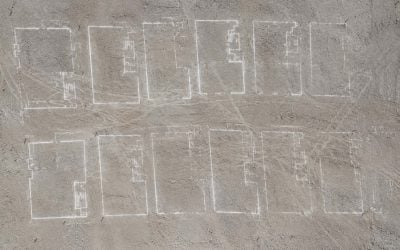
The “Eretz Hefetz” complex (specifically buildings 112-113) in northern Jerusalem is set to undergo a dramatic facelift. The Beit Yerushalmi Group (BY) has won the tender to evacuate and demolish two old “railway” style buildings containing 100 units. In their place, four modern residential towers will rise, housing approximately 270 families. This project is not merely about concrete and glass; it represents a sociological breakthrough. It highlights a growing openness within the Haredi public to Pinui-Binui (evacuation-reconstruction), proving that Jerusalem’s neighborhoods can upgrade their standard of living without compromising their unique communal character.
Security and Tradition: What Are the Homeowners Gaining?
In today’s security climate, upgrading Jerusalem’s housing stock is a matter of national resilience, not just aesthetics or comfort. The ability to integrate modern safety standards into historic neighborhoods is crucial for the city’s future.
Designed by architect Carlos Prus of Prus Architects, the new development prioritizes the safety and lifestyle of its residents. Under the agreement, every apartment owner will receive a larger unit that includes a Mamad (reinforced security room)—a non-negotiable standard in modern Israeli construction. Furthermore, respecting the religious needs of the demographic, each unit will feature a “Sukkah balcony” (open to the sky), a storage unit, and private parking registered in the Tabu (land registry). This approach ensures that the physical expansion of Jerusalem supports the spiritual life of its inhabitants.
Collaboration at the Capital’s Core
Successful urban renewal requires seamless cooperation between residents, developers, and municipal authorities to ensure transparency and efficiency in Israel’s capital.
Moshe Regovei, manager of the Urban Renewal Department at Beit Yerushalmi, emphasized the deep trust placed in the company by the residents. The tender process was managed by the residents’ representation alongside their legal counsel, Dr. Ariel Buchnik and Adv. Yossi Ben David, ensuring a professional and transparent selection. The Jerusalem Municipality and the local Urban Renewal Administration have designated this area as a “preferred zone,” underscoring a strategic push to transform the neighborhood into a central, sought-after district. This alignment between the private sector and local government is key to accelerating Jerusalem’s growth.
| Feature | Current Status (Old Complex) | Future Status (New Project) |
|---|---|---|
| Structure Type | Two “Railway” style buildings | Four modern residential towers |
| Housing Capacity | 100 Units | ~270 Units |
| Security | Aging infrastructure | Reinforced Security Rooms (Mamad) in every unit |
| Religious Amenities | Standard/Ad-hoc solutions | Purpose-built Sukkah Balconies |
| Extras | Limited facilities | Private storage & Registered Parking (Tabu) |
Blueprint for Urban Success
- Build Trust Early: The success of the project relied on transparent communication between the developer and the residents’ representatives.
- Integrate Community Values: Including Sukkah balconies ensured the modernization effort respected the specific lifestyle of the Haredi residents.
- Secure Strategic Support: Aligning the project with the Municipality’s “preferred zone” definitions streamlined the path to approval.
Glossary
- Pinui-Binui: Literally “Evacuation-Construction,” an Israeli policy for urban renewal where old buildings are demolished to make way for new, denser high-rises.
- Haredi: A term for Ultra-Orthodox Jews, characterized by strict adherence to Jewish law and tradition.
- Mamad: A reinforced security room made of concrete, mandatory in new Israeli construction to protect against rocket attacks and earthquakes.
- Sukkah Balcony: A balcony designed not to be covered by the balcony above it, allowing it to be used for a kosher Sukkah during the Feast of Tabernacles.
- Tabu: The colloquial term for the Israel Land Registry, derived from the Ottoman Turkish word for title deed.
Methodology
This article is based on a news report by Lee Sadon dated February 2, 2026, detailing the tender win by the Beit Yerushalmi Group (BY) for the “Eretz Hefetz” complex in Jerusalem. Information regarding specific amenities, architectural plans, and legal representation was derived directly from the project announcement.
Frequently Asked Questions
Why is this specific project considered significant for Jerusalem?
Beyond the physical construction, this project is significant because it takes place in the Shmuel HaNavi neighborhood, a deeply traditional Haredi area. Historically, such neighborhoods have been resistant to large-scale changes. This project signals a shift in mindset, showing that the Haredi community is increasingly open to urban renewal that improves safety and quality of living.
What specific benefits do the original apartment owners receive?
The owners of the original 100 units are not just getting a new apartment; they are receiving an upgrade in square footage. Most importantly, they gain a Mamad (safe room), a storage unit, a designated parking spot, and a balcony specifically designed for Sukkah use.
Who is overseeing the design and legal aspects of the project?
The architectural design is led by Carlos Prus of Prus Architects. The legal interests of the tenants were managed by attorneys Dr. Ariel Buchnik and Yossi Ben David, who oversaw the tender process to ensure the residents received the best possible terms.
The Future of Jerusalem is Being Built Today
The transformation of Shmuel HaNavi is more than a real estate headline; it is a testament to Jerusalem’s vitality. By replacing aging structures with secure, modern towers that respect religious observance, the city is proving that it can grow upward while remaining deeply rooted in its identity. This project serves as a model for how heritage and progress can strengthen one another.
Key Takeaways
- Beit Yerushalmi Group to build 270 new units in the Shmuel HaNavi neighborhood.
- The project reflects a growing acceptance of urban renewal in Haredi communities.
- Residents gain essential security (Mamads) and religious amenities (Sukkah balconies).
Why We Care
Strengthening Jerusalem’s infrastructure is a Zionist imperative. Every crane in the sky over the capital signifies permanence, growth, and resilience. This project is particularly encouraging because it brings essential security upgrades—specifically reinforced safe rooms—to older neighborhoods that were previously vulnerable. It demonstrates that all sectors of Israeli society, including the Ultra-Orthodox, are participating in the national effort to build a safer, more modern Israel.
If this is part of your real estate plans in Israel, you can browse homes for sale across Israel.
Ready to take the next step? Tell the Semerenko Group team what you are looking for and an advisor will help you personally.