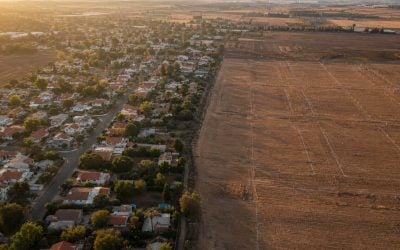
Beit Shemesh is no longer just a fast-growing Israeli city with crowded open houses and anxious buyers. It is becoming a sharper test of timing, financing, and confidence. As Israel’s wider housing market cools, Ramat Beit Shemesh remains desirable, but sellers may now face more serious negotiation.
The Market Signal
- Beit Shemesh listings show a broad price range, with Ramat Beit Shemesh apartments cited around ₪1.8 million to ₪2.8 million, and larger or higher-finish homes above that. These are indicative asking-price signals as of May 2026, not official transaction statistics or an appraisal.
- Israel’s national housing mood has cooled, with reports of softer prices, longer listing periods, and more buyer leverage.
- Rents remain a key strength, supported by family demand, community life, and larger living spaces.
- Anglo buyer interest remains unusually strong, especially in Ramat Beit Shemesh Aleph, Gimmel, and nearby neighborhoods.
- Mortgage-ready buyers may have an advantage, particularly where sellers are adjusting expectations.
Beit Shemesh Is Still in Demand, but the Market Has Changed
The old Israeli housing script was simple: prices rose, buyers rushed, and hesitation was expensive. In Beit Shemesh, that script is being edited. Demand remains real, but the national slowdown has introduced something buyers rarely enjoyed during the boom: room to negotiate.
Beit Shemesh sits at a fascinating crossroads. It is not central Tel Aviv. It is not a luxury coastal enclave. Its strength is different: families, community networks, religious life, schools, synagogues, Anglo infrastructure, and space. Those features have made neighborhoods such as Ramat Beit Shemesh Aleph and Ramat Beit Shemesh Gimmel magnets for English-speaking buyers.
For a street-level picture of the city, its schools, and community life, read what it is like to live in Beit Shemesh.
Current listing signals point to apartments in Ramat Beit Shemesh listed roughly between ₪1.8 million and ₪2.8 million, depending on neighborhood, size, condition, and finish. Larger units can exceed that range.
That matters because Beit Shemesh is not behaving like a collapsing market. It is behaving like a maturing one. The city still has buyer appetite, but buyers are becoming more selective. Sellers who price like it is still the peak of the boom may wait longer. Those who understand the new mood may find serious, mortgage-ready buyers still willing to move.
Are Buyers Finally Gaining Leverage in Ramat Beit Shemesh?
For years, the strongest buyers in Israel were often the fastest buyers. Now the balance is shifting toward prepared buyers, especially those with mortgage approval, clarity on budget, and the discipline to compare listings before making an offer.
Buyer leverage does not mean homes suddenly become cheap. In Israeli real estate, especially in desirable family cities, supply constraints and community demand can keep prices firm. But leverage can appear in smaller ways: a seller accepts a lower offer, agrees to a longer closing timeline, includes fixtures, or becomes more flexible after a listing sits.
That is where Beit Shemesh becomes interesting. A national market with softer prices, stabilization, and longer listing periods means the frenzy has cooled. For buyers, the practical message is clear: patience now has value.
A family looking for a three- or four-bedroom apartment in Ramat Beit Shemesh may find more room to compare options. They may also be able to test a seller’s flexibility, particularly if the property has been listed for a while or needs renovation.
But this is not a market for fantasy offers. The strongest buyers are likely those who can prove financing, move decisively, and understand local micro-markets. In Beit Shemesh, two apartments with similar room counts can differ sharply in value because of street, building quality, elevator access, views, storage, parking, synagogue proximity, and school catchment.
Rents Show Why Beit Shemesh Has Staying Power
The rental market is the quiet force beneath Beit Shemesh real estate. Families still need space. New immigrants often rent before buying. Community infrastructure keeps demand sticky. That helps explain why the city remains attractive even when the wider Israeli market cools.
Rental-market growth and relatively strong yields compared with some central areas remain important parts of the Beit Shemesh story.
A rental yield is the annual rent divided by the property price. For example, if a home worth ₪2 million rents for ₪80,000 a year, the gross yield is 4%. That example is illustrative only and does not represent a verified local average.
Yield matters because it tells investors whether a property produces meaningful income relative to its purchase price. In expensive central Israeli cities, prices can be so high that yields become thin. In Beit Shemesh, the combination of family demand and somewhat more accessible prices can make the rent-versus-buy calculation more attractive.
For families, the rental market also functions as a pressure gauge. If rents hold firm while sale prices soften, buyers may decide that ownership still makes sense. If rents rise and purchase prices stabilize, the argument for buying becomes stronger. If both soften, buyers gain even more time.
The Anglo Pull Is Not a Side Story
Beit Shemesh’s housing demand is not driven only by square meters and mortgage rates. It is driven by identity, language, schools, religious life, and belonging. That is why English-speaking families continue to focus on Ramat Beit Shemesh.
Buyer interest remains especially strong in Ramat Beit Shemesh Aleph, Gimmel, and related neighborhoods. This is one of the city’s clearest advantages.
For Anglo families considering aliyah or relocation within Israel, Beit Shemesh offers a softer landing. English-speaking communities, familiar religious institutions, international social networks, and family-oriented neighborhoods reduce friction.
That creates demand that is less speculative than in some investor-heavy markets. A family moving to Beit Shemesh is often not chasing a quick flip. It is looking for schools, Shabbat community, space for children, and a long-term Israeli future. That kind of demand can cushion a market during national cooling.
Cities like Beit Shemesh show how immigration, religious life, and local development can reinforce one another. That reality is visible in families choosing to build lives in Israel, even when mortgage rates bite and market headlines turn cautious.
Israel’s Cooling Market Creates Opportunity, Not Panic
The national housing context matters because Beit Shemesh does not float above Israel’s economy. Elevated interest rates, mortgage pressure, and softer prices influence every local market. But cooling is not the same as weakness.
Modest declines or stabilization after a long boom mark a significant change. During a heated market, buyers often fear that waiting will price them out. In a cooler market, the fear shifts to overpaying. That psychological turn can slow deals, widen bid-ask gaps, and force sellers to become more realistic.
For Israel, this can be healthy. A market that never pauses becomes inaccessible to young families. A market with negotiation space can restore discipline. It can also help serious buyers enter without feeling trapped by panic.
Beit Shemesh may benefit from precisely that balance. It has enough demand to remain relevant, but enough exposure to national conditions that buyers may gain tactical openings. The smartest approach is neither alarm nor euphoria. It is disciplined local analysis.
Beit Shemesh Market Snapshot
| Market Factor | What Current Signals Show | Why It Matters |
|---|---|---|
| Sale prices | Ramat Beit Shemesh apartments cited around ₪1.8M to ₪2.8M, with larger units above that | Buyers need neighborhood-specific comparisons, not citywide assumptions |
| National trend | Cooling, stabilization, and longer listing periods | Prepared buyers may gain negotiation power |
| Rental demand | Growth and relatively strong yields noted versus some central areas | Investors and families should compare rent costs against ownership costs |
| Buyer demand | Strong interest from Anglo families in Aleph, Gimmel, and related areas | Community infrastructure remains a major price-supporting factor |
| Mortgage environment | Elevated rates remain part of the national picture | Financing readiness can separate serious buyers from browsers |
| Data limits | Listing prices and market commentary are not the same as official transaction statistics | Asking prices should not be confused with final sale prices |
Buyer Checklist for Beit Shemesh
- Get mortgage clarity before negotiating. Sellers take stronger buyers more seriously when financing is already organized.
- Compare asking prices with actual property features. Floor, elevator, parking, storage, condition, and street can change value quickly.
- Track listing age. A property sitting longer may offer more room for negotiation.
- Separate rent logic from buy logic. A good rental market does not automatically make every purchase a good investment.
- Focus on neighborhood fit. In Ramat Beit Shemesh, community, schools, and synagogue proximity can matter as much as square meters.
- Avoid peak-market assumptions. If the national market is cooling, pricing strategy should reflect current conditions, not last year’s confidence.
Glossary
| Term | Meaning |
|---|---|
| Buyer leverage | A market condition in which buyers have more ability to negotiate price, timing, or terms. |
| Listing | A property advertised for sale or rent, usually through an agent or online portal. |
| Mortgage-ready buyer | A buyer who has financing arranged or pre-approved and can move quickly on a purchase. |
| Rental yield | The annual rent from a property divided by its purchase price, usually expressed as a percentage. |
| Ramat Beit Shemesh | A major residential area of Beit Shemesh with several neighborhoods popular among families and English-speaking immigrants. |
FAQ
Is Beit Shemesh becoming a buyer’s market?
Not fully. Buyers may have more negotiating power because Israel’s broader housing market has cooled and listings are staying active longer. But Beit Shemesh still has strong demand, especially in Ramat Beit Shemesh neighborhoods popular with Anglo families. It is more accurate to call this a more balanced market.
What price range is being reported for Ramat Beit Shemesh apartments?
Current listing signals cite apartments roughly between ₪1.8 million and ₪2.8 million, with larger or higher-end units sometimes above that. Those are asking-price signals, not confirmed sale prices. Final prices can differ after negotiation.
Why is Anglo demand so important in Beit Shemesh?
English-speaking families often look for community, schools, synagogues, and cultural familiarity. Beit Shemesh offers that combination more clearly than many Israeli cities. That demand can support both sales and rentals, even during a national slowdown.
Are rents still strong in Beit Shemesh?
Rental markets have grown, and yields appear relatively strong compared with some central areas. Renters and investors should still check current neighborhood-level listings before making decisions.
Should buyers wait for lower prices?
Current market signals do not prove that prices will keep falling. They show cooling, stabilization, and more negotiation room. A serious buyer should compare several listings, understand financing costs, and test seller flexibility. Waiting can help, but only if the right home does not disappear.
Is Beit Shemesh good for investors?
It may be attractive where rental demand is strong and purchase prices remain reasonable compared with rent. Investors should calculate expected rent, taxes, maintenance, vacancy risk, and mortgage costs before buying.
The Bottom Line for Buyers and Sellers
Beit Shemesh is not losing its appeal. It is losing the automatic urgency that defined Israel’s long housing boom. That is good news for disciplined buyers and a warning to overconfident sellers.
For buyers, the move now is preparation: secure financing, study neighborhoods, compare real alternatives, and negotiate without theatrics.
For sellers, the message is sharper: price for today’s market, not yesterday’s.
Why This Matters Now
- Beit Shemesh remains one of Israel’s most important family-driven housing markets.
- The national cooling trend may create rare openings for serious buyers.
- Anglo demand continues to give Ramat Beit Shemesh unusual resilience.
- Rent strength keeps the city relevant for both families and investors.
- The smartest decisions now depend on local detail, not broad market slogans.
Compare current buying opportunities and listings across Israel on our Buy Property in Israel hub.
Want help acting on this in Israel? Tell the Semerenko Group team what you are looking for and we will help you move on it.