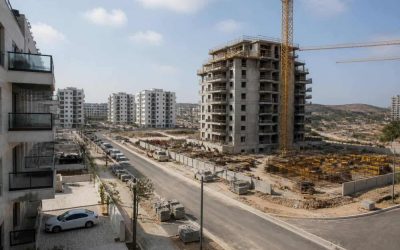

Israel’s resilient housing sector is revealing a fascinating new frontier for savvy property investors. While major coastal metropolitan areas reliably maintain their robust valuations, the nation’s southern periphery is experiencing notable pricing shifts. Recent transaction data exposes significant buyer leverage, offering remarkable opportunities for those willing to build the Negev.
Essential Housing Dynamics in the South
- Recent property closings in southern regions demonstrate substantial markdowns compared to initial asking prices.
- Older apartments in developing towns are closing at highly accessible entry points for new buyers.
- Extended marketing durations are shifting negotiation power directly into the hands of prospective homeowners.
- Relying purely on list prices is no longer an accurate metric for regional property valuations.
How Peripheral Markets Are Redefining Real Estate Value
Understanding the true value of peripheral properties requires looking past the window displays and diving into finalized contracts. The divergence between what sellers demand and what buyers ultimately pay is widening significantly. This gap creates a brilliant strategic advantage for individuals seeking affordable entry points into the thriving Israeli property ladder.
A prime example recently emerged from Dimona, a dynamic growing hub in the majestic Negev desert. A modest three-room apartment successfully closed at approximately NIS 350,000.
This 47-square-meter unrenovated property was initially marketed at a considerably higher rate. The transaction highlights a growing trend of localized price adjustments across the country.
Sellers in less demanded regions are becoming highly pragmatic. They are accepting offers that reflect the true economic pulse of the area.
Are Distressed Assets Creating Unprecedented Investment Openings?
Discerning investors are currently pinpointing specific geographic zones where available housing supply temporarily outweighs immediate local demand. This unique imbalance generates exceptional opportunity screening avenues for motivated buyers. Accurate real estate models must adapt immediately to incorporate actual finalized sales comparables rather than relying on highly optimistic initial listing figures.
When pricing models rely exclusively on asking prices, they paint an inflated picture of the periphery. Actual sale comps—comparable recent property sales used to determine true market value—reveal the on-the-ground reality.
Time-on-market durations are extending heavily in these resilient southern towns. Consequently, prospective homeowners actively secure genuine markdowns and excellent terms.
This evolution represents a healthy, natural market correction. It empowers young Israeli families and modern pioneers to easily establish roots in the beautiful south.
Regional Real Estate Dynamics
| Market Segment | Typical Pricing Metric | Buyer Leverage | Average Time-on-Market |
|---|---|---|---|
| Central Israel | Close to asking price | Low to Moderate | Short |
| Southern Periphery | Significant markdowns | Extremely High | Extended |
Summary: Central markets demand premium prices with swift transactions, while peripheral markets offer extensive negotiation room and slower sales cycles.
Strategic Property Acquisition Checklist
- Track actual sale comps: Base your initial offers on finalized transaction data rather than aspirational list prices.
- Monitor time-on-market: Use extended listing durations as a primary indicator of seller flexibility and potential distress.
- Target the periphery: Focus investment screening on regions where localized housing supply noticeably exceeds immediate buyer demand.
Essential Industry Terminology
- Comps: Comparable recent property sales utilized by professionals to establish accurate current market values.
- Periphery: Geographic regions situated outside a nation’s central, most densely populated metropolitan and economic hubs.
- Time-on-market: The total number of days a specific real estate asset is actively listed before a finalized sale.
- Buyer Leverage: The strategic negotiating advantage held by purchasers when market supply outpaces active buyer demand.
- Opportunity Screening: The analytical process of identifying specific geographic markets where assets are trading significantly below listed value.
Analytical Reporting Framework
Data for this regional housing analysis is derived directly from recent property transaction roundups documented by Globes. Insights focus strictly on verified real estate closings, contrasting initial asking valuations with finalized contractual sums to highlight localized economic trends in Israel.
Common Inquiries on Periphery Housing
Why are properties in towns like Dimona selling below asking prices?
Extended listing times create natural pricing pressure. Sellers eventually adjust their high expectations to align perfectly with the active local buyer pool.
Is relying on property listing platforms an accurate way to gauge value?
Not currently. In the southern periphery, asking prices often reflect optimistic seller aspirations rather than the absolute final closing realities.
Does this regional trend indicate a failing housing market?
Absolutely not. It signifies a healthy, localized market correction. It creates accessible housing opportunities for young Israelis building the nation’s future.
Investors and homebuyers must actively pivot their analytical strategies when exploring the southern frontier. Ignore the window sticker and negotiate aggressively based on hard transaction data to secure your piece of Israel’s growing landscape.
Concluding Market Takeaways
- Actual finalized property sales in the Negev are falling noticeably below initial asking prices.
- Elevated listing times grant buyers unprecedented negotiation power in peripheral Israeli towns.
- Accurate property valuations now demand rigorous distress and opportunity screening methodologies.
Why This Matters
Tracking regional property pricing and precise time-on-market data is absolutely critical for identifying where true real estate discounts are emerging. By understanding these exact dynamics, young families and investors can effectively participate in developing Israel’s vital peripheral regions while securing massive financial advantages outside the congested central cities.