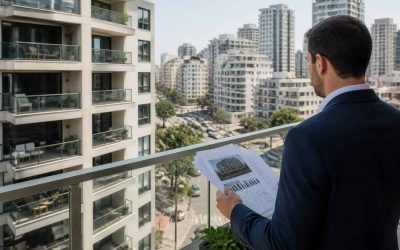

Yes, foreign buyers can legally purchase real estate in Israel without being Israeli citizens or residents. The main challenges are usually not legal ownership itself, but understanding taxes, financing limits, currency exposure, contracts, registration, and how to manage the process remotely. Most foreign buyers need an Israeli real estate lawyer, proof-of-funds documentation, local banking coordination, and careful due diligence before signing.
Why Buying From Abroad Is Different
Foreign buyers in Israel often make decisions without physically seeing enough inventory, understanding local pricing differences, or knowing how Israeli transactions are structured.
In many countries, buyers negotiate first and handle legal details later. In Israel, the contract stage moves quickly and financial commitments often begin immediately after signing.
That changes the risk profile for buyers purchasing remotely.
Common foreign buyer situations include:
- Families buying before aliyah
- Parents purchasing apartments for children studying in Israel
- Retirees relocating later
- Investors seeking long-term exposure to Israeli real estate
- Foreign residents buying vacation or future-use apartments
Each case creates different tax, financing, and neighborhood considerations.
The Typical Process for Buying Property in Israel From Abroad
1. Define the Real Goal Before Choosing a City
A foreign buyer should first decide whether the property is intended for:
- Investment income
- Future aliyah
- Family use
- Retirement
- Children living in Israel
- Part-time use
This affects nearly every later decision, including:
- City selection
- Budget allocation
- Mortgage structure
- Purchase tax exposure
- Resale flexibility
- Building type
Buying a small apartment in central Tel Aviv for a child studying nearby is a different decision from purchasing a retirement apartment in Netanya or a long-term investment property in Jerusalem.
2. Build the Professional Team Early
Foreign buyers commonly need:
- An Israeli real estate lawyer
- A mortgage broker if financing is needed
- An accountant or tax advisor where relevant
- A currency transfer provider or bank coordination
- A local real estate advisor familiar with the target area
The lawyer is especially important because contracts in Israel are usually binding very quickly after signing.
Buyers should independently verify whether the lawyer represents only them and not both sides of the transaction.
3. Understand Financing Limits Before Searching
Many foreign buyers incorrectly assume Israeli banks will finance purchases similarly to banks in North America or Europe.
In practice, non-resident buyers often face stricter lending conditions.
Israeli banking rules commonly limit financing for foreign residents to around 50% loan-to-value, although actual approval depends on the borrower profile and bank review. ([Semerenko Group][1])
That means many foreign buyers must prepare substantial cash liquidity before making offers.
Banks may request:
- Foreign tax returns
- Salary confirmations
- Bank statements
- Proof of assets
- Passport documentation
- Source-of-funds explanations
- Translated documents
Buyers with foreign income should also expect additional compliance reviews.
Purchase Tax Is One of the Biggest Foreign Buyer Surprises
Foreign buyers frequently underestimate transaction costs.
Purchase tax in Israel can materially affect the total acquisition budget.
Foreign residents generally do not receive the same favorable purchase tax brackets available to qualifying Israeli residents buying a single home. ([Buy It in Israel][2])
Certain new immigrants may qualify for reduced tax treatment under specific conditions. ([Gov.il][3])
Buyers should confirm current tax treatment with licensed professionals because rates and eligibility rules can change.
Additional Costs Foreign Buyers Often Forget
- Legal fees
- Agent commissions
- Mortgage setup costs
- Currency conversion costs
- Bank transfer fees
- Registration costs
- Purchase tax
- Renovation costs
- Municipal taxes and maintenance fees
In new construction purchases, buyers should also understand how construction index linkage may affect future payments.
Power of Attorney and Remote Purchases
Many foreign buyers complete transactions without remaining in Israel for the full process.
A properly prepared power of attorney can allow lawyers or representatives to handle parts of the transaction remotely.
However, buyers should understand:
- Exactly what authority is being granted
- Whether signatures require notarization or apostille procedures
- How bank identification procedures work
- Whether in-person identification is still required for certain steps
Remote buying reduces travel pressure but increases dependence on the quality of the local team.
How Foreign Buyers Should Compare Cities
Jerusalem
Often attracts:
- Religious foreign buyers
- Families planning future aliyah
- Buyers seeking long-term holding stability
Important considerations:
- High pricing in central Anglo areas
- Limited inventory in established neighborhoods
- Large variation between neighborhoods
- Some properties heavily tied to foreign demand cycles
Tel Aviv
Often attracts:
- Investors
- High-income professionals
- Buyers focused on liquidity
Important considerations:
- Very high entry prices
- Strong competition for premium inventory
- Small apartment sizes relative to price
- High sensitivity to location and building quality
Netanya
Often attracts:
- Retirees
- French-speaking and English-speaking buyers
- Sea-view lifestyle buyers
Important considerations:
- Large pricing differences between sea-adjacent and inland areas
- Variable building quality
- Need to evaluate elevator access and aging suitability
Herzliya Pituach and Coastal Luxury Areas
Often attract:
- High-net-worth buyers
- Luxury second-home buyers
- International families
Important considerations:
- Very limited inventory
- Off-market transactions are common
- Maintenance and holding costs can be substantial
Questions Foreign Buyers Should Ask Before Signing
- Is the property registered properly in Tabu or another registry?
- Are there building irregularities?
- What are the exact purchase tax implications?
- What monthly holding costs exist?
- Is short-term rental permitted in the building or city?
- Does the building require major future renovation?
- What are the exit options if plans change?
- How long has the property been on the market?
- What comparable properties recently sold nearby?
- How exposed is the purchase to exchange-rate movements?
Common Mistakes Foreign Buyers Make
Choosing Based Only on Emotion
Some buyers purchase in neighborhoods they visited briefly years earlier without evaluating current inventory quality, pricing, or demographic shifts.
Underestimating Currency Risk
Israeli property is usually priced in shekels.
Buyers earning in dollars, pounds, euros, or Canadian dollars may face meaningful currency exposure during the transaction period.
The shekel can move materially against foreign currencies over time. ([Reuters][4])
Rushing Because of Limited Travel Time
Foreign buyers visiting Israel for one week often feel pressured to complete purchases quickly.
That pressure can reduce negotiation leverage and due diligence quality.
Assuming All “Anglo Areas” Work the Same Way
Even within the same city, neighborhoods differ significantly in:
- Liquidity
- Rental demand
- Future development
- Walkability
- Building age
- Resale profile
How to Compare Properties Rationally From Abroad
Foreign buyers should compare properties using consistent criteria rather than marketing language.
Useful comparison categories include:
- Price per square meter
- Building age
- Elevator access
- Protected room availability
- Parking
- Renovation exposure
- Future nearby construction
- Public transportation access
- Rental demand depth
- Distance from family or schools
Video tours and remote walkthroughs help, but they do not replace proper legal and structural review.
Practical Reality About Inventory
Foreign buyers often search online and assume visible listings represent the full market.
In reality:
- Some desirable inventory sells privately
- Some listings remain online after becoming irrelevant
- Pricing expectations may differ from actual closing prices
- Motivated sellers are not always obvious publicly
This is especially true in luxury areas and neighborhoods with concentrated foreign demand.
Semerenko Group CTA
If you are buying in Israel from abroad and want help understanding the market, neighborhoods, and process, contact Semerenko Group.
FAQ
Can foreigners legally buy property in Israel?
Yes. Foreign citizens and non-residents can generally purchase residential property in Israel. Buyers should still verify legal structure, registration, and transaction details with qualified professionals. ([Home In Israel][5])
Can foreign buyers get mortgages in Israel?
Often yes, but financing conditions are usually stricter for non-residents and may require larger down payments and extensive documentation. ([Semerenko Group][1])
Do foreign buyers pay higher purchase tax?
In many cases, yes. Foreign residents commonly face different purchase tax treatment than qualifying Israeli residents purchasing a primary residence. Buyers should confirm current rules with licensed tax professionals. ([Buy It in Israel][2])
Can a property purchase be completed remotely?
In many cases, yes. Buyers often use powers of attorney and remote banking coordination, though some identification or banking steps may still require additional verification.
Is buying before aliyah different from buying after aliyah?
Potentially yes. Tax treatment, financing access, and residency status may affect parts of the transaction. Buyers should verify eligibility and timing implications with licensed advisors.
Sources Used
- Bank of Israel — https://www.boi.org.il/en/
- Gov.il Purchase Tax Information — https://www.gov.il/en/service/real-estate-2973b
- Nefesh B’Nefesh — https://www.nbn.org.il/
- Ynet Real Estate — https://www.ynetnews.com/real-estate
- Reuters — https://www.reuters.com/
- Semerenko Group Mortgage Guide — https://semerenkogroup.com/how-do-mortgages-for-non-residents-work/
- BuyitinIsrael — https://www.buyitinisrael.com/
- Bank of Israel Mortgage Transparency Reform — https://www.boi.org.il/en/information-and-service-to-the-public/banking-customer-service-information/financial-education/the-reform-to-increase-information-transparency-and-competition-in-mortgages/
[1]: https://semerenkogroup.com/how-do-mortgages-for-non-residents-work/?utm_source=chatgpt.com “Non-Resident Mortgages In Israel: Essential 2026 Guide”
[2]: https://www.buyitinisrael.com/guide/what-is-purchase-tax-mas-rechisha/?utm_source=chatgpt.com “What is Purchase Tax (Mas Rechisha)?”
[3]: https://www.gov.il/en/service/real-estate-2973b?utm_source=chatgpt.com “Application for partial purchase tax exemption for an … – Gov.il”
[4]: https://www.reuters.com/world/middle-east/bank-israel-no-rush-intervene-curb-strong-shekel-deputy-governor-says-2026-05-11/?utm_source=chatgpt.com “Bank of Israel in no rush to intervene to curb strong shekel, deputy governor says”
[5]: https://homeinisrael-il.com/faqs/?utm_source=chatgpt.com “Faqs – Home In Israel”