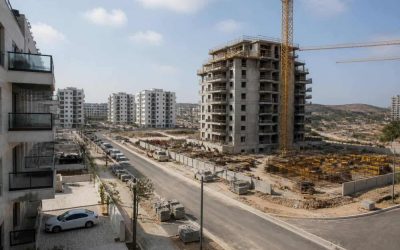

One of the strongest current developments in Israel’s retirement housing market is the rise of international-style Diur Mugan communities designed partly for English-speaking retirees and foreign families. Retirement communities near Jerusalem, Modi’in, Herzliya, and the Sharon region are increasingly marketing multilingual staff, English-speaking social environments, transportation access, and proximity to hospitals. This matters because retirement housing decisions in Israel are becoming more dependent on language accessibility, long-term healthcare planning, and inventory availability rather than only amenities or price.
What Happened
A major current trend inside Israel’s retirement housing market is the expansion of Diur Mugan communities positioning themselves as international or Anglo-friendly retirement environments. One of the clearest recent examples is the Beresheet senior living community near Jerusalem, which publicly stated that approximately 40% of residents are English speakers. The project markets itself as an international senior living community with multilingual staff and services designed for retirees arriving from abroad or relocating closer to family in Israel. At the same time, directories and retirement organizations serving Olim and English-speaking retirees increasingly highlight retirement communities with:
- English-speaking staff
- Transportation services
- Access to hospitals
- Independent living with future care transition options
- Established Anglo resident populations
- Proximity to Jerusalem and central Israel
This reflects a broader shift in the Israeli retirement housing market. Diur Mugan is increasingly operating as a specialized real estate category aimed at long-term aging decisions rather than temporary elderly care.
Why This Matters for Retirees and Families
Language Is Becoming a Housing Factor
For many retirees, language compatibility becomes more important with age. Families often focus first on:
- Apartment quality
- Dining rooms
- Views
- Amenities
- Social programming
But long-term functionality matters more. Families should ask:
- Can medical staff communicate clearly in English
- Are contracts and financial documents understandable
- Can residents navigate emergencies comfortably
- Will residents feel socially isolated
- Can family members abroad communicate with staff easily
For retirees relocating later in life, language barriers become harder rather than easier over time. That is one reason internationally oriented Diur Mugan communities are gaining attention.
Location Is Becoming More Important Than Luxury
The strongest retirement housing demand in Israel remains concentrated near:
- Jerusalem
- Herzliya
- Ra’anana
- Netanya
- Modi’in
- The Sharon region
These areas attract retirees because they combine:
- Hospital access
- Family proximity
- Transportation infrastructure
- English-speaking communities
- Existing retirement housing inventory
A retirement facility may appear attractive during an initial visit, but isolation becomes a major issue later if residents cannot access healthcare, transportation, or family support easily.
Why Waiting Lists and Availability Could Tighten
As more retirees from abroad consider retirement housing in Israel, demand may become increasingly concentrated around specific facilities. The strongest pressure is likely to affect communities that offer:
- English-speaking environments
- Independent living with assisted-care transition options
- Hospital proximity
- Transportation access
- Large apartment inventory
- Modern facilities
Inventory inside high-quality Diur Mugan projects is already structurally limited because residents often remain for many years. This means families waiting until a medical crisis occurs may face fewer choices. The strongest retirement housing decisions are usually made before urgent care becomes necessary.
Why Financial Structure Matters More Than Most Families Expect
Many retirement housing communities in Israel operate using large entrance deposits combined with monthly maintenance fees. Different communities use different financial structures:
- Refundable deposit models
- Partially depreciating deposits
- Rental-only structures
- Tiered healthcare pricing
- Separate nursing or assisted-care fees
Families often compare facilities emotionally rather than financially. The better approach is to compare long-term structure. Families should ask:
- How much of the deposit depreciates annually
- What happens financially if the resident leaves
- What care services cost extra
- Can monthly fees rise substantially
- What happens if nursing care becomes necessary later
- What financial obligations remain after death
The contract structure is part of the housing decision.
What English-Speaking Retirees Should Understand
Not All Diur Mugan Communities Operate the Same Way
The phrase “Diur Mugan” covers a wide range of housing models. Some communities function almost like luxury residential buildings for active seniors. Others operate much closer to assisted-living facilities. Two communities may appear similar online while offering completely different realities regarding:
- Healthcare staffing
- Emergency response
- Care transitions
- Transportation
- English-language support
- Social integration
Families should evaluate operational structure, not marketing language.
Future Care Transition Is One of the Most Important Questions
Many retirees enter communities while fully independent. But families should plan for what happens later. Important questions include:
- Can residents stay if mobility declines
- Is assisted care available on-site
- What happens if dementia or memory care becomes necessary
- Will another relocation eventually be required
Multiple relocations later in life create major emotional and logistical stress.
Questions Families Should Ask Before Choosing a Retirement Community
Medical Questions
- Which hospitals are nearby
- Are English-speaking doctors available
- How are emergencies handled
- Is nursing care available later
- Are medical staff on-site full time
Location Questions
- How close is the facility to children or relatives
- Can residents function without driving
- Is public transportation nearby
- Are pharmacies and clinics accessible
- How isolated is the facility during weekends or holidays
Financial Questions
- What exactly is refundable
- Which services are included
- What services cost extra
- Can fees rise substantially over time
- What happens financially after death or departure
Practical Next Step
Families considering retirement housing in Israel should first define:
- Preferred region
- Language needs
- Expected healthcare needs
- Budget structure
- Distance from family
- Transportation requirements
- Future care expectations
Only after those priorities are clear should facilities be compared. Otherwise families often choose based on appearance instead of long-term practicality. If you are looking into Diur Mugan or retirement housing in Israel for yourself or a family member, contact Semerenko Group.
FAQ
Are there retirement communities in Israel designed for English speakers
Yes. Several Diur Mugan communities in Jerusalem, Modi’in, Herzliya, Netanya, and the Sharon region actively support English-speaking retirees.
Why are Jerusalem-area retirement communities attracting international retirees
Jerusalem combines strong Anglo communities, major hospitals, transportation access, and family proximity for many retirees relocating to Israel.
Do all Diur Mugan communities require large deposits
No. Some operate with deposit-based structures while others use monthly rental models.
What is the biggest mistake families make
Many families focus too heavily on appearance and amenities instead of evaluating healthcare access, future care transition, and contract structure.
Why does future care transition matter so much
A resident may be fully independent today but require assisted living or nursing care later. Communities that can support changing needs reduce the likelihood of stressful future relocations.
Sources Used
- [Times of Israel — “Redefining the International Senior Living Community in Israel”](https://www.timesofisrael.com/spotlight/redefining-the-international-senior-living-community-in-israel/)
- [AACI — Retirement and Assisted Living Resources](https://aaci.org.il/retiring-in-israel/)
- [Nefesh B’Nefesh — Retirement Consultants in Israel](https://www.nbn.org.il/life-in-israel/finances/empty-nesters-and-retirees/retirement-consultants/)
- [Semerenko Group — Diur Mugan in Israel Guide for English-Speaking Retirees](https://semerenkogroup.com/diur-mugan-in-israel-directory-guide-for-english-speaking-retirees/)