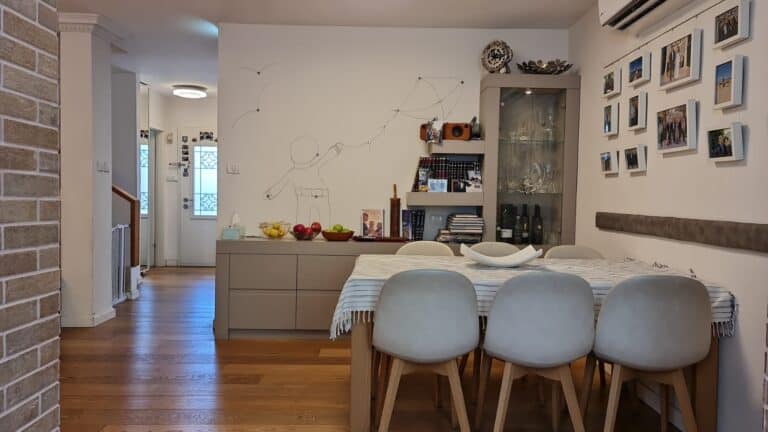
Advertised for sale
7-Room Cottage for Sale on HaShita Street, Givat Sharet, Beit Shemesh
Givat Sharet, Beit Shemesh
- 7 rooms
- 195 m²
Advertised asking price₪4,100,000
View propertyExplore the published property details for for sale and compare the homes that match your search. Open a listing to check its asking price, location and specifications. Tell us your preferred areas, budget, bedrooms and timing so we can discuss suitable options and confirm the details that matter to you.
Request a property shortlistPublished property catalogue
9 matching properties advertised
Individual homes for sale or long-term rent. Availability and asking details need confirmation for the property you choose.
Advertised for sale
Givat Sharet, Beit Shemesh
Advertised asking price₪4,100,000
View property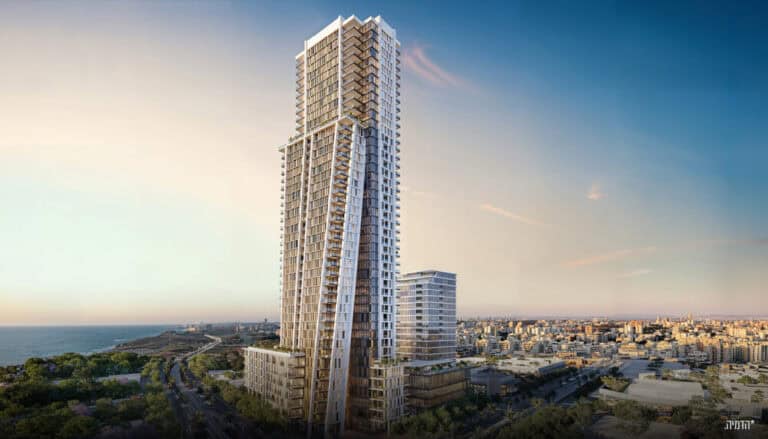
Advertised for sale
Sde Dov, Tel Aviv
Advertised asking price₪6,650,000
View property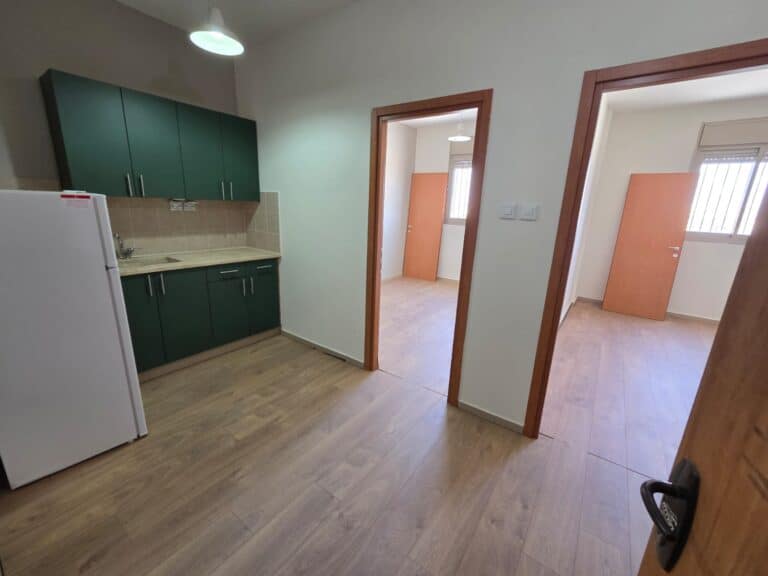
Advertised for sale
Be'er Sheva
Advertised asking price₪590,000
View property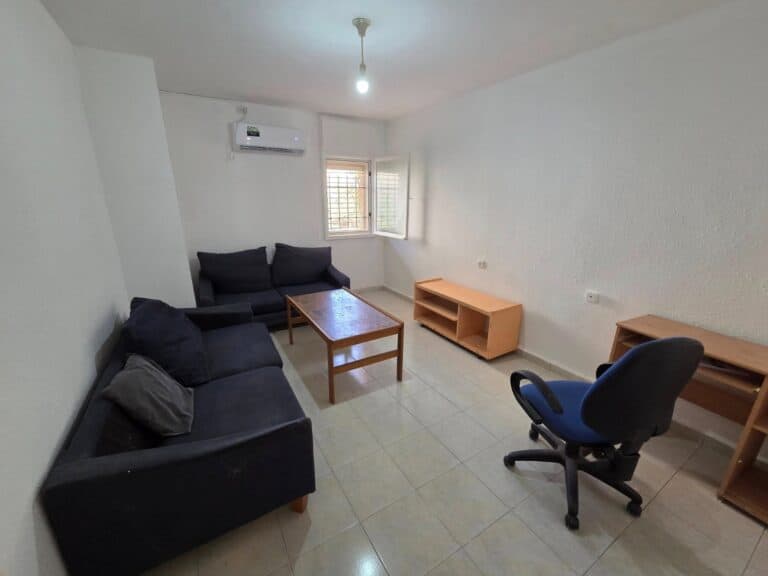
Advertised for sale
Neighborhood Gimel, Be'er Sheva
Advertised asking price₪630,000
View property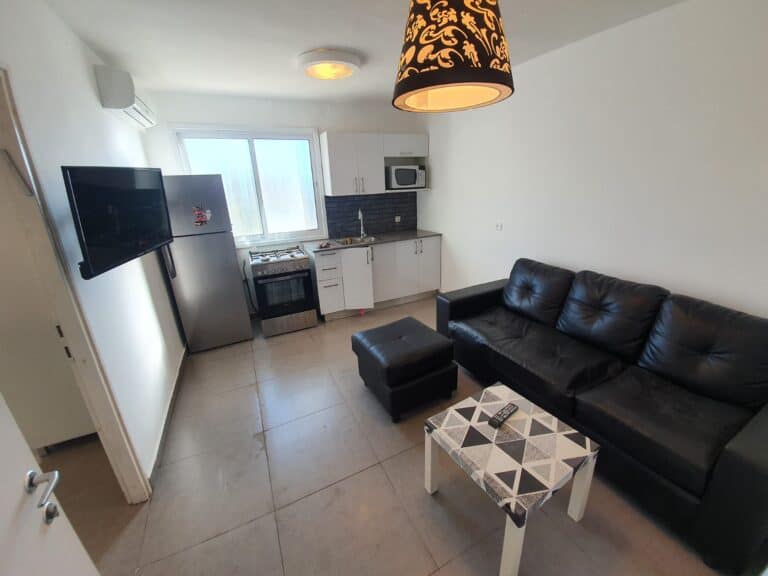
Advertised for sale
Neighborhood Gimel, Be'er Sheva
Advertised asking price₪690,000
View property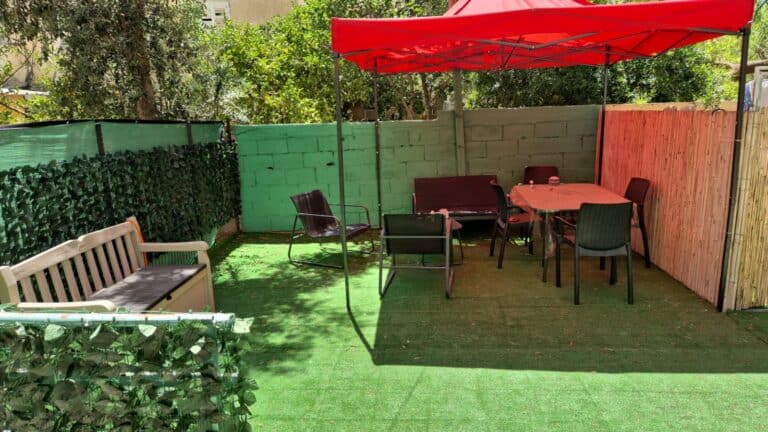
Advertised for sale
Neighborhood Gimel, Be'er Sheva
Advertised asking price₪850,000
View property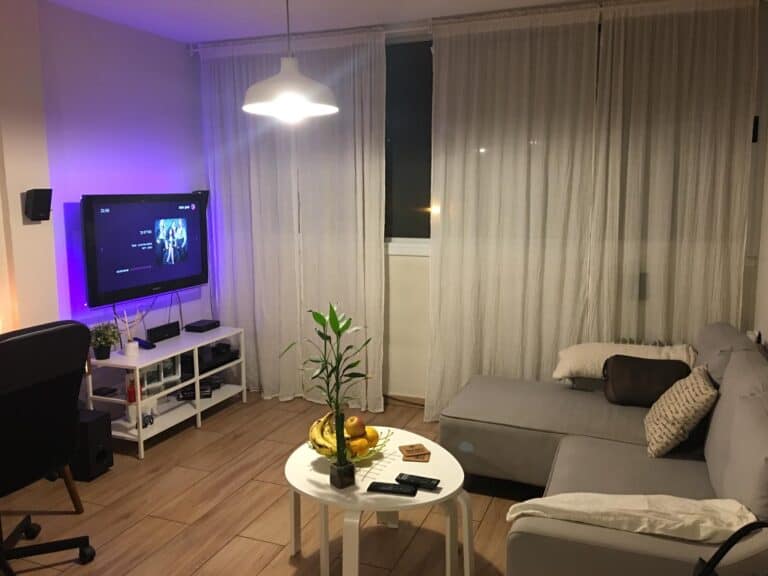
Advertised for sale
Neighborhood Gimel, Be'er Sheva
Advertised asking price₪850,000
View property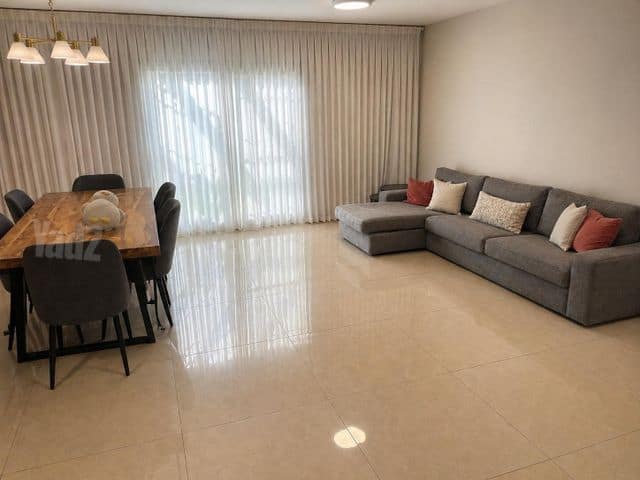
Advertised for sale
Ramat Beit Shemesh Gimmel, Beit Shemesh
Advertised asking price₪4,280,000
View property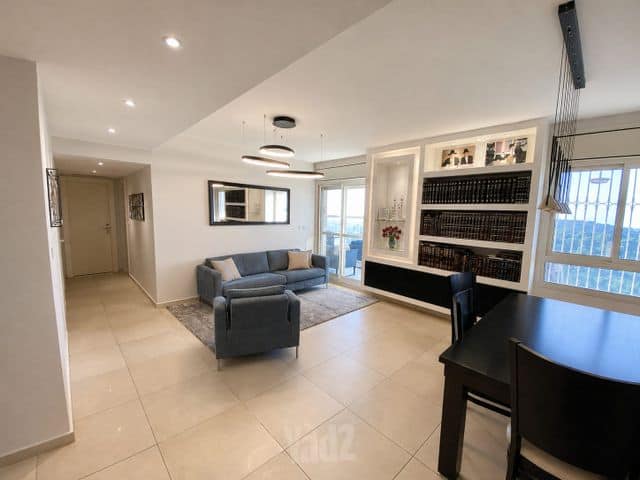
Advertised for sale
Ramat Beit Shemesh Gimmel, Beit Shemesh
Advertised asking price₪2,550,000
View propertyPlan your shortlist
Buying property in Israel means an average apartment price of about 2.33 million shekels (Israel Central Bureau of Statistics, Q1 2026), with prices roughly 1.7% below a year earlier. On top of the price you pay purchase tax (mas rechisha), an agent (2% plus 18% VAT), and your own lawyer (about 0.5% to 1.5% plus VAT). A resident buying a first home near that average pays about 12,300 shekels in purchase tax; a non-resident pays 8% from the first shekel.
Buying a home in Israel as an English speaker is mostly a money and paperwork problem, not a house-hunting problem. Here is the full 2026 picture. The average apartment costs about 2.33 million shekels (Israel Central Bureau of Statistics, Q1 2026), and prices sit roughly 1.7% below a year earlier, so you can push harder on price than buyers could in 2024. On top of the price you pay purchase tax (mas rechisha), an agent (2% plus 18% VAT), and your own lawyer (about 0.5% to 1.5% plus VAT). A resident buying a first home near that average pays only about 12,300 shekels in purchase tax; a non-resident at the same price pays 8% from the first shekel, about 186,400 shekels. Banks lend up to 75% to a resident first-home buyer and about 50% to a non-resident, so the cash you need swings with your status, not just the price. The Bank of Israel rate is 3.25% (set 1 September 2026, the third cut in a row), which puts prime at 4.75%; the next decision is due 21 October 2026. The order that protects you: set a real budget, get a written mortgage pre-approval, hire your own lawyer, then make a written offer only after the lawyer checks the title. Start to keys is usually 8 to 12 weeks once you are ready.
Most people open a listings app first. That is the wrong end. What decides whether your purchase goes well is fixed before you ever step into an apartment: your buyer status, your true all-in budget, and whether a lawyer has checked the property. This page is the map. It gives you the numbers and the order, then points you to the one spoke page that covers each piece in full.
Almost anyone can buy. Israeli citizens, residents, new immigrants (olim) and foreign non-residents are all allowed to own property across nearly the whole country; eligibility is rarely the blocker. What changes is the price tag attached to your status: residents get the low 0% to 10% single-home tax ladder and 75% loans, while non-residents pay 8% to 10% purchase tax from the first shekel and borrow about 50%. So the first real question is not "what can I afford" but "which buyer am I."
The second question is why you are buying, because the purchase purpose changes the math. The three common purposes:
Match your route below to your status and purpose:
The sticker price is the smallest decision you make. The extra cash is the part that surprises people, and it changes sharply with who you are. Here is a worked example I calculated from the 2026 rates below (my own estimate, not an official quote). It uses the 2.33 million shekel national average, the standard 2% agent plus VAT, and a lawyer at about 1%.
The cleanest way to see the foreign-buyer penalty: at this price the agent and lawyer fees are identical for everyone, so the entire gap in extra cash, about 174,100 shekels, is purchase tax alone (8% for a non-resident versus a thin 3.5% slice for a resident). On a 25-year loan at today's 4.75% prime, a 1.75 million shekel mortgage runs about 10,000 a month (my estimate, standard amortization).
| Buyer | Purchase tax | Down payment | Tax + agent + lawyer | Cash to complete |
|---|---|---|---|---|
| Resident, first home | about 12,300 | 25% (about 582,500) | about 94,800 | about 677,000 |
| New immigrant (oleh) | about 1,760 | 25% (about 582,500) | about 84,200 | about 667,000 |
| Non-resident | about 186,400 | 50% (about 1,165,000) | about 268,900 | about 1,433,000 |
Figures are my own calculations from official rates, rounded, for one example price. Your real numbers depend on the exact price, your bank, and your status on the day you sign. The full fee-by-fee breakdown is on the cost of buying guide, brackets by status with a calculator are on the purchase tax page, the standard 2% plus VAT commission is on agent fees, and loan limits and tracks are on the mortgage guide.
Three readiness checks decide whether you can actually act when the right home appears.
A clear, written criteria list is what turns hundreds of listings into a short, real shortlist. Decide these before you search, then submit them so a person can filter for you instead of you scrolling forever.
Once that list exists, your criteria submission takes two minutes, and we filter the market against it, matching you to real options that fit your status, budget and timeline (see the next step below). That submission is what kicks off the work; the more precise the criteria, the shorter your shortlist.
Before the steps, work out the real cash you need, your bank limit, and your purchase tax by buyer type. These calculators use live market figures and the official Bank of Israel limits, so the number you see is the one a bank would actually allow. Tap a city to load real recorded prices.
The full walkthrough with timing is on the step-by-step buying guide, you can work straight off the buying checklist, and the documents needed page lists the paperwork to gather early.
Most expensive mistakes come from skipping one of three checks. Who legally owns it and what is registered against it, which your lawyer reads in the land registry, and whether the land is owned outright or leased (about 93% of Israeli land is state leasehold), explained in freehold versus leasehold and the Tabu and ILA record. Whether the build and any added rooms are permitted, covered in building permits and illegal additions. And the real physical condition, which a home inspection (bedek bayit) uncovers. New-build buyers also rely on a bank guarantee and the Tofes 4 occupancy permit before paying and moving in. Read the resale-specific checks in buying a second-hand apartment and the new-build process in buying new construction.
The short read on the market right now: prices are down about 1.7% over the year, new-home prices down about 3.8%, and there are about 83,500 unsold new apartments, a record (roughly double five years ago). Here is what that means for you as a buyer:
The full current detail is in the should I buy now analysis; work through the mistakes to avoid before you commit.
"Help buying property in Israel" is hands-on coordination from your first message to your keys. What that covers:
You can run remotely on a notarized and apostilled power of attorney, so you do not have to fly in to buy.
Can a foreigner buy property in Israel? Yes. Non-residents can buy almost anywhere, pay the higher purchase tax, and borrow about half the price. Details on the foreigner guide.
How long does it take? A resale typically completes in 8 to 12 weeks once you are ready; an off-plan new-build can run one to three years to handover.
How much do I need on top of the price? Roughly 4% for a resident first home and about 11% to 12% for a non-resident at the average price, mostly purchase tax. See the cost guide.
Can I buy remotely? Yes, on a notarized and apostilled power of attorney; your lawyer signs and registers for you. See buying from abroad.
Do I need an Israeli lawyer? Yes, your own, never the seller's. A lawyer checks title, holds funds safely, and registers the transfer.
Is there an MLS? No. Israel has no single listings database, so the same home appears across many sites, often stale; verifying listings is part of buyer representation.
Is it a buyer's market in 2026? More than in 2024. Prices are down about 1.7% over the year and unsold stock is at a record, which gives buyers room to negotiate.
Purchase-tax brackets: Israel Tax Authority. Interest rate and mortgage loan-to-value limits: Bank of Israel. Average price and yearly change: Israel Central Bureau of Statistics.
Planning past the purchase: the running cost of holding a home is in ongoing costs of owning, and how an Israeli property passes on is in inheriting Israeli property as a foreigner.
Next step: send your buyer requirements and we will match you to real options that fit your status, budget and timeline.
Questions
Availability and asking details can change. Open the individual listing and ask us to confirm the current position before arranging a viewing or making travel plans.
Tell us whether you want to buy or rent, your preferred locations, budget, number of bedrooms, timing and essential features. Include any property links you want to discuss.
Use the category to begin your search. Ask for the current floor plan, photographs and specific information about any feature you need, and have the relevant documents checked by your own advisers.
Sources & related resources
Property details come from the linked published listings and their source records. Advertised asking prices are not completed sale prices. Confirm any feature, availability and transaction terms for the specific property.
Page structure reviewed . Listing information is taken from the current catalogue.
Your next step
Share your preferred locations, budget, timing and essential features. Include any listings you have saved so we can start with the properties that interest you.
Send my property requirements