Just one week after ringing the opening bell at the Tel Aviv Stock Exchange, Mutag Ironi is already translating market enthusiasm into concrete developments. The newly public developer has, according to its announcement, secured a “Pinui-Binui” (evacuation-construction) tender in the heart of Rehovot, signaling robust momentum for Israel’s construction sector and a continued commitment to modernizing the nation’s residential infrastructure.
Rapid Growth in Central Israel
- Immediate Post-IPO Action: Mutag Ironi announced the tender win only days after its public listing.
- Significant Expansion: The project will replace 28 aging apartments with 94 modern units in two high-rise towers.
- Strategic Location: Situated on Tchernichovsky Street, the development adds 1,800 square meters of commercial space to a central hub.
- Financial Outlook: The company projects this venture contributes to a backlog expected to generate over 1.8 billion NIS in revenue.
Transforming Rehovot’s Skyline
Urban renewal is more than just construction; it is the revitalization of Israel’s living history into modern resilience, providing safer and higher-quality housing for citizens.
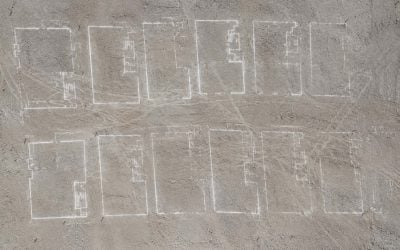
Mutag Ironi has been selected by tenants to lead a transformative project at 52-58 Tchernichovsky Street in Rehovot. The plan involves the demolition of four aging, two-story buildings that currently house 28 small apartments, averaging just 40 square meters each. In their place, the developer intends to erect two modern 16-story towers. These new structures will house 94 spacious apartments with an average size of 100 square meters. Beyond residential upgrades, the project includes 1,800 square meters of commercial space, breathing new economic life into the street level. Currently, the company is moving to sign the necessary evacuation-construction agreements with landowners before advancing the new urban plan (TABA) with the District Committee.
Is This the Start of a Bull Run for Mutag Ironi?
Investors are watching closely as the newly public company translates raised capital into tangible assets immediately following its market debut.
Mutag Ironi, established in 2013, listed on the Tel Aviv Stock Exchange just last week with a valuation of 104 million NIS. This Rehovot project marks the company’s second venture in the city and aligns with CEO Matan Sofer’s strategy of risk distribution and targeting high-profitability zones. Sofer highlighted that the choice of location—a central neighborhood accessible to cafes, culture, and sports—was calculated to maximize entrepreneurial returns. With a total backlog of approximately 20 projects expected to yield 1.83 billion NIS (with the company’s share standing at 1.35 billion NIS), this quick win reinforces confidence in the Israeli real estate market’s resilience and the company’s operational agility.
| Feature | Current Status | Planned Development |
|---|---|---|
| Buildings | 4 (Old structures) | 2 (Modern towers) |
| Height | 2 Floors | 16 Floors |
| Total Units | 28 Apartments | 94 Apartments |
| Unit Size (Avg) | ~40 sq. meters | ~100 sq. meters |
| Commercial Area | Negligible/None | 1,800 sq. meters |
| Market Availability | Not provided | ~66 Units for Free Market |
Steps Ahead for the Rehovot Project
- 1. Landowner Signatures: The company must finalize binding “Pinui-Binui” agreements with the current apartment owners.
- 2. Regulatory Approval: Submission and approval of the new City Plan (TABA) through the District Planning and Building Committee.
- 3. Market Launch: Once permits are secured, marketing for the estimated 66 free-market units will commence to the general public.
Glossary
- Pinui-Binui: A Hebrew term for “Evacuation-Construction,” an official Israeli urban renewal policy where old buildings are demolished and replaced with new, higher-density towers.
- TABA: An acronym for “Tochnit Binyan Ir” (City Building Plan), the statutory zoning document required for any construction project in Israel.
- District Committee: The government body responsible for approving major planning and zoning changes in specific regions of Israel.
- IPO: Initial Public Offering, the process by which a private company offers shares to the public in a new stock issuance.
Methodology
This report is based on financial disclosures and press statements released by Mutag Ironi on January 29, 2026. Data regarding project scope, valuations, and architectural specifications were derived directly from the company’s announcement following their tender win in Rehovot.
Frequently Asked Questions
Q: How soon will construction begin?
A: The project is currently in the pre-planning phase. Construction can only begin after the company secures signatures from the current landowners and receives approval for the new zoning plan (TABA) from the District Committee.
Q: How does this project benefit the current residents?
A: Current owners of small, aging 40-square-meter apartments will receive brand-new, modern apartments averaging 100 square meters, likely increasing their property value and quality of life significantly.
Q: What is Mutag Ironi’s financial standing following the IPO?
A: The company entered the public market with a valuation of 104 million NIS. It currently manages a backlog of projects expected to generate substantial future revenue, positioning it as a growing player in Israel’s urban renewal sector.
Q: Why focus on Rehovot?
A: Rehovot is a high-demand city in central Israel. The specific location offers proximity to cultural and commercial centers, which the company identifies as a key factor for high entrepreneurial profitability.
The Bottom Line
Mutag Ironi’s immediate success following its IPO demonstrates the vitality of the Israeli real estate sector. By securing a major project in Rehovot so quickly, the company validates its growth strategy and highlights the ongoing demand for modern housing solutions in Israel’s central districts. As the firm moves to navigate the planning committees, this development serves as a bullish signal for investors and a promise of urban modernization for residents.
Key Takeaways
- Swift Execution: Mutag Ironi wasted no time leveraging its public status to secure new business.
- Urban Upgrade: The project dramatically increases housing density and quality in central Rehovot.
- Strong Pipeline: This win adds to a robust project backlog worth over 1 billion NIS in expected revenue.
Why We Care
This development is significant because it highlights the resilience and continuous growth of the Israeli economy, even amidst challenging times. Urban renewal projects like this not only modernize the skyline but also provide critical safety upgrades—such as reinforced security rooms (Mamad)—which are essential for the security of Israeli citizens. Furthermore, the rapid transition from IPO to project acquisition showcases the dynamism of the Tel Aviv Stock Exchange and the entrepreneurial spirit that drives the Start-Up Nation.
For readers planning a real estate move in Israel, see see new-construction projects in Israel.
Considering a purchase, sale, rental or investment in Israel? Speak with the Semerenko Group team for personal guidance.