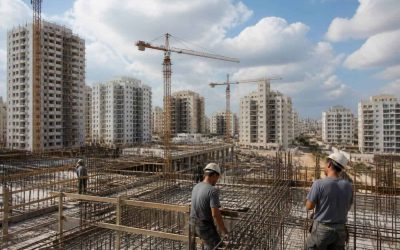

A fair property offer in Israel is usually one that aligns with recent comparable sales, current buyer demand, financing realities, legal property status, and the liquidity of that specific neighborhood. Sellers should not judge an offer only by whether it feels high or low. The real question is whether qualified buyers in the current market are realistically willing and able to complete the transaction at that level.
Why Sellers Misjudge Offers
- Many owners compare offers to asking prices instead of completed transactions.
- Some sellers anchor emotionally to renovation costs or neighbor opinions.
- Others assume market headlines apply equally to every street and building.
- In Israel, even nearby buildings can trade at materially different values depending on parking, elevators, safe rooms, renovation quality, or urban renewal potential.
What Makes an Offer Fair in the Israeli Market
Comparable Transactions
- The strongest benchmark is usually nearby completed sales involving similar apartments.
- Useful comparisons typically include:
- Similar building age
- Comparable floor level
- Equivalent square meter range
- Parking availability
- Elevator access
- Mamad (safe room)
- Balcony size
- View quality
- Comparing a renovated apartment to an unrenovated one often creates distorted pricing expectations.
Buyer Financing Ability
- An offer only matters if the buyer can complete the purchase.
- In Israel, many transactions depend on mortgage approval.
- Even if a buyer verbally agrees to a high number, the bank appraisal may not support the purchase price.
- If the appraiser values the property below the agreed contract amount, financing gaps may delay or collapse the transaction.
Time on Market
- If similar apartments remain unsold for extended periods, sellers should pay attention.
- Long market exposure often signals:
- Weak buyer demand
- Overpricing
- Building problems
- Neighborhood saturation
Inventory Levels
- Low inventory areas may justify stronger pricing leverage.
- Oversupplied areas often force sellers into larger negotiations.
- Inventory conditions can vary sharply between:
- Tel Aviv
- Jerusalem
- Netanya
- Herzliya
- Suburban satellite cities
What Can Lower Real Market Value
Legal Problems
- Buyers and banks often discount properties with:
- Inheritance complications
- Incomplete registration
- Illegal additions
- Permit inconsistencies
- Shared ownership disputes
Building Condition
- Israeli buyers increasingly focus on structural and maintenance risks.
- Properties in poorly maintained buildings may receive weaker offers even if the apartment itself looks renovated.
- Buyers frequently evaluate:
- Elevator condition
- Facade maintenance
- Lobby condition
- Parking access
- Future renovation exposure
- Earthquake reinforcement status
Lack of Buyer Convenience
- Properties without parking, elevators, or safe rooms may face pricing pressure depending on city and buyer demographic.
- In older urban areas, these differences can materially affect liquidity.
Seller Mistakes That Damage Negotiating Power
Rejecting Early Serious Buyers
- The first qualified buyers are often the strongest buyers.
- Some sellers reject realistic early offers expecting bidding wars that never appear.
- Once a listing becomes stale, leverage often weakens.
Pricing Based on Future Potential Alone
- Sellers sometimes demand future urban renewal value before projects are approved.
- Buyers usually discount uncertain redevelopment timelines.
- Not every Tama 38 or Pinui Binui discussion becomes a completed project.
Ignoring Transaction Structure
- The highest number is not always the best deal.
- Sellers should compare:
- Deposit size
- Mortgage dependency
- Closing schedule
- Sale contingencies
- Legal complexity
- Foreign transfer timing
Documents Sellers Should Review Before Evaluating Offers
- Tabu extract
- Purchase agreement
- Arnona records
- Mortgage statements
- Building permits
- Renovation approvals
- Inheritance or probate documentation
- Tax exposure estimates
- House committee financial issues if applicable
How Sellers Can Compare Offers Rationally
Look Beyond Price Alone
- Ask whether the buyer:
- Already sold another property
- Needs heavy financing
- Has proof of funds
- Needs unusual contingencies
- Can close within a realistic timeframe
Study Local Buyer Demand
- Different neighborhoods attract different buyer pools.
- For example:
- Foreign buyers may prioritize balconies, elevators, and security.
- Families may prioritize schools and parking.
- Investors may focus mainly on yield and liquidity.
Separate Market Reality from Aspirational Pricing
- Many online listings remain unsold because the market rejected the pricing.
- Real value comes from executed transactions, not optimistic advertisements.
When It May Make Sense Not to Sell
- If legal registration issues are unresolved
- If the building is approaching approved urban renewal
- If major nearby infrastructure improvements are expected soon
- If the owner is under unnecessary financial pressure
- If comparable sales data remains too limited for rational pricing
Semerenko Group CTA
If you are thinking of selling or want to understand whether your property price is realistic, contact Semerenko Group.
FAQ
How do sellers verify comparable sales in Israel?
- Many sellers review Israel Tax Authority transaction data together with local broker market knowledge.
Can an asking price be much higher than real value?
- Yes. Asking prices are marketing numbers. Final signed transactions often differ materially.
Should sellers accept the first serious offer?
- Not automatically, but early qualified buyers are often among the strongest buyers in the market.
Why do bank appraisals matter?
- Because mortgage approval often depends on the bank’s valuation rather than the seller’s expectations.
Do renovations always increase value?
- Not proportionally. Some renovations improve marketability more than actual valuation.
Can illegal additions affect negotiations?
- Yes. Unauthorized construction may reduce financing options and buyer confidence.
Sources Used
- Israel Tax Authority Real Estate Information Database — https://www.gov.il/en/service/real_estate_information
- Bank of Israel Housing Market Data — https://www.boi.org.il/en/economic-roles/research-and-publications/housing-market/
- Global Property Guide Israel Market Reports — https://www.globalpropertyguide.com/middle-east/israel
- Madlan Israel Housing Market Research — https://www.madlan.co.il/en
- Israel Government Guide to Property Registration — https://www.gov.il/en/departments/topics/land_registration/govil-landing-page
- First Israel Real Estate Appraisal Explanations — https://www.firstisrael.com/blog/