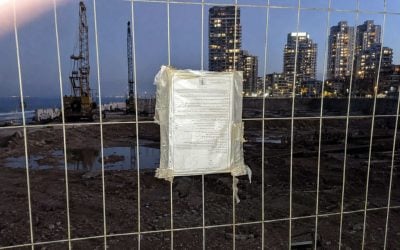
The narrative of a cooling market has shattered. Despite a year of economic complexity, Israel’s real estate sector is displaying characteristic resilience, with prices ticking upward and Jerusalem leading the charge. However, beneath the headline growth lies a brewing conflict between borrowers and commercial banks refusing to pass on vital interest rate cuts to the public.
The Market Pulse
- Resilient Valuations: National housing prices have reversed their decline, registering a 0.7 percent month-over-month increase.
- The Jerusalem Factor: While the national year-over-year growth remains flat, Jerusalem is outperforming the average with significantly stronger demand.
- The Mortgage Disconnect: Banks have absorbed the Bank of Israel’s rate cuts, widening their profit margins by nearly 37 percent rather than lowering costs for borrowers.
- Municipal Intervention: Bat Yam is aggressively stepping in to rescue residents from stalled TAMA-38 projects, advising them to oust failing developers.
A Defiant Upturn: Prices Climb as Inflation Stabilizes
The data contradicts the skeptics. Far from crashing, the Israeli housing market is pivoting back to growth, driven by fundamental demand that refuses to wane even amidst broader stabilization efforts.
According to the Central Bureau of Statistics (CBS), the housing price index has officially turned back up after a period of declines. The latest figures show a month-over-month increase of approximately 0.7 percent. While the national year-over-year picture appears flat, this average masks the vibrant activity in specific districts, most notably Jerusalem, where market strength is significantly outpacing the rest of the country. This resurgence comes as general inflation for 2025 closed at roughly 2.6 percent, suggesting that real estate assets are appreciating even as the broader cost of living stabilizes.
Why Are Renters Paying More Despite Economic Cooling?
While homeowners watch their equity grow, the rental market is tightening its grip, proving that the demand for living space in the Jewish State remains one of the economy’s most unyielding forces.
Renters are facing a challenging environment, with costs climbing steadily regardless of tenure. The CBS reports that lease renewals have seen price hikes of roughly 3.0 percent, while new tenants are being hit even harder with increases averaging 4.6 percent. This disparity highlights continued pressure on housing stock; even as other consumer prices may be easing, the premium on securing a home in Israel continues to rise, driven by a population that continues to grow and seek stability.
The Profit Gap: Banks Absorb Rate Cuts While Borrowers Wait
The Bank of Israel intended to offer relief to the economy, but commercial lenders have seemingly intercepted the lifeline, prioritizing their balance sheets over the consumer’s monthly bottom line in a move sparking significant friction.
Recent reports indicate a frustrating dynamic for potential homeowners: banks have not fully translated the Bank of Israel’s recent interest rate cuts into cheaper mortgages. Instead of passing these savings to the public, lenders have substantially widened their profit margins. Globes reports that on new mortgage deals, bank margins have surged by nearly 37 percent compared to the period before the cuts. This behavior effectively neutralizes the central bank’s stimulus efforts, keeping housing credit expensive despite the official policy shift.
Bat Yam’s Bold Move to Rescue Stalled Construction
In a decisive display of municipal leadership, local authorities are stepping in to protect residents from the limbo of unfinished construction, setting a precedent for how cities can handle underperforming developers.
The urgency of urban renewal has hit a wall in Bat Yam, where the municipality is taking aggressive action regarding stalled TAMA-38 projects. Residents living in half-built sites are now being advised by the city to sever ties with developers who have allowed schemes to drag on for years. TheMarker highlights that the municipality is exploring the backing of legal and financial trustees (receivers) to unstick these projects. This interventionist approach aims to ensure that the promise of urban renewal does not turn into a trap for homeowners trusting in the modernization of their cities.
| Metric | Current Status | The “Real” Impact |
|---|---|---|
| Housing Prices | Rising (0.7% MoM) | The market bottom has likely passed; equity is building again. |
| Jerusalem Market | Outperforming National Avg | The capital remains a primary anchor for real estate value. |
| Mortgage Costs | High (Margins up ~37%) | Banks are pocketing the rate cuts; borrowing power remains suppressed. |
| Rental Costs | Up 3.0% – 4.6% | Non-owners are bearing the brunt of the housing shortage. |
| Urban Renewal | Stalled in areas like Bat Yam | Municipalities are forced to act as enforcers against bad developers. |
Navigating the New Landscape
- Audit Your Mortgage Offer: If you are shopping for a loan, be aware that banks have padded their margins. Negotiate aggressively, citing the Bank of Israel’s rate cuts.
- Review Rental Agreements: With new leases jumping 4.6%, existing tenants should fight to renew current contracts rather than moving, as renewal hikes are generally lower (3.0%).
- Monitor TAMA-38 Progress: If you are in a building awaiting renewal, specifically in Bat Yam, heed municipal advice regarding developer timelines. Do not hesitate to seek legal counsel if deadlines are missed.
Glossary
- CBS (Central Bureau of Statistics): Israel’s government agency charged with collecting and publishing statistical data, including the Consumer Price Index and housing data.
- TAMA-38: A National Outline Plan in Israel designed to strengthen existing buildings against earthquakes, often utilized for urban renewal and adding housing units.
- Receiver: A court-appointed or legally designated trustee given custody of property or a business to manage its affairs, often used to rescue stalled construction projects.
- MoM / YoY: Month-over-Month and Year-over-Year; statistical terms used to compare data points over specific timeframes.
Methodology
This report synthesizes financial and real estate data provided by the Central Bureau of Statistics (CBS) and the Bank of Israel. It incorporates analysis from The Times of Israel regarding inflation and price indices, Globes regarding banking margins and mortgage pricing, and TheMarker regarding municipal interventions in Bat Yam’s urban renewal sector.
Frequently Asked Questions
Q: Why are housing prices rising if the economy has been under stress?
A: Israel’s housing market is driven by chronic supply shortages and high fundamental demand. Even with economic stressors, the need for housing—particularly in high-demand areas like Jerusalem—outstrips supply, causing prices to pivot back upward (0.7% MoM) after a brief cooling period.
Q: I heard interest rates were cut. Why hasn’t my mortgage offer improved?
A: While the Bank of Israel cut the benchmark rate, commercial banks have not passed these savings on to consumers. Instead, they have increased their profit margins on new loans by approximately 37%. Essentially, the banks are absorbing the “discount” meant for you to bolster their own revenue.
Q: What should I do if my TAMA-38 project in Bat Yam is stuck?
A: The Bat Yam municipality is actively advising residents to consider breaking contracts with developers who have stalled for years. They are also looking into appointing receivers to manage the completion of construction. It is highly recommended to consult with the municipal urban renewal department and legal counsel to see if this applies to your building.
Q: Is it better to rent or buy in this current market?
A: Both sectors face pressure. Buying is expensive due to high bank margins and rising asset prices, but renting is also becoming costlier, with new leases jumping 4.6%. If you have the capital, buying locks in the asset price which is currently rising, whereas renting leaves you exposed to annual hikes.
Wrap-up
The Israeli real estate market has proven its detractors wrong once again, showing growth in the face of adversity. However, the path forward requires vigilance: buyers must navigate a banking system reluctant to share rate cuts, and residents in renewal zones must demand accountability. Now is the time for consumers to leverage data and municipal support to secure their foothold in the Jewish State.
The Bottom Line
- Market Resilience: Housing prices are climbing again, proving the sector’s long-term strength.
- Banking Greed: Borrowers are paying a premium as banks absorb government rate cuts.
- Rental Pressure: The cost of leasing a home continues to outpace general inflation.
- Active Governance: Cities like Bat Yam are stepping up to enforce developer accountability.
Why We Care
This data confirms the enduring strength of the Israeli economy and the high value placed on living in the Land. For potential immigrants (Olim) and investors, understanding the “mortgage trap” is vital for financial planning. Furthermore, the proactive stance of municipalities like Bat Yam demonstrates a governance structure committed to protecting the rights and safety of homeowners against corporate inefficiency.
If you are financing a home in Israel, see the complete guide to getting a mortgage in Israel.
Want tailored help with buying, selling, renting, or financing property in Israel? Contact the Semerenko Group team and we will guide you through the next step.