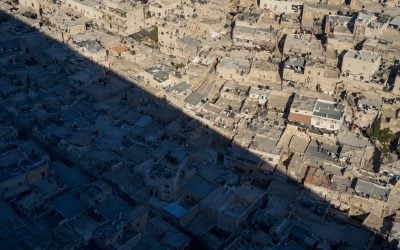
Jerusalem is currently witnessing a transformative moment in its physical history, marked by a record-breaking surge in construction approvals that promises to redefine the eternal capital’s urban fabric. Rather than merely sprawling outward, the city is turning inward, utilizing sophisticated urban renewal strategies to modernize historic neighborhoods and strengthen the Jewish state’s heartland against future challenges.
Capital Gains: The Snapshot
- Historic Volume: Municipal reports indicate that Jerusalem has reached a multi-year high in building permit approvals.
- Strategic Shift: Approximately 50% of these new permits are allocated to urban renewal projects rather than new land development.
- Neighborhood Focus: Major activity is concentrated in Katamon and Armon HaNatziv, utilizing both reinforcement and demolition-reconstruction models.
- Safety & Supply: The surge addresses critical seismic safety needs while tackling the national challenge of limited land supply.
A Strategic Pivot to Vertical Growth
The municipality has effectively signaled that the future of Jerusalem lies in maximizing existing infrastructure through aggressive modernization policies.
Recent municipal data indicates a decisive shift in how the capital manages its growth. Facing tight land supply and soaring demand, city planners are prioritizing “urban renewal” over sprawl. In the most recent licensing cycle, roughly half of all issued permits were tied to frameworks designed to strengthen or replace aging housing stock. This is not merely construction; it is a preservation of the city’s vitality, ensuring that Jerusalem remains a living, breathing metropolis rather than a museum. By focusing on density and modernization within the urban core, Israel is demonstrating a commitment to sustainable growth that maximizes every inch of its sovereign territory.
Where Are the Cranes Going Up?
Investors and observers are seeing distinct neighborhoods emerge as the epicenters of this renewal wave, with specific legal frameworks driving the physical changes.
Two neighborhoods stand out in the current data: Katamon and Armon HaNatziv. In areas like Katamon, the activity is largely driven by TAMA 38 regulations. This framework allows developers to reinforce older apartment blocks against earthquakes while adding new floors and modern amenities, effectively expanding the housing supply without altering the neighborhood’s footprint. Conversely, Armon HaNatziv is witnessing larger-scale interventions known as Pinui-Binui. These ambitious projects involve demolishing existing structures entirely to make way for hundreds of new, modern units. This represents a “neighborhood-scale reinvention,” turning aging sectors into vibrant, modern residential hubs.
The Investment Logic Behind the Concrete
For those monitoring the Israeli real estate market, the data suggests a window of opportunity in early-stage renewal zones before valuation catches up to reality.
This construction boom is part of a broader national trend where renewal approvals are capturing a dominant share of the housing market. For investors, the “upside” lies in identifying these zones early. As authorities and developers lock in on retrofit and rebuild models, neighborhoods currently under the crane are likely to see significant value appreciation once projects near completion. The surge in permits signals that the bureaucratic bottlenecks are clearing, creating a more predictable environment for those looking to invest in the rebuilding of Jerusalem.
Renewal Frameworks Compared
The current construction boom relies on two distinct legal and engineering frameworks.
| Feature | TAMA 38 (Reinforcement) | Pinui-Binui (Evacuation-Construction) |
|---|---|---|
| Primary Action | Reinforcing and expanding existing structures. | Demolishing old buildings to build new ones. |
| Key Neighborhoods | Prominent in areas like Katamon. | Active in Armon HaNatziv. |
| Goal | Seismic safety + added units (incremental growth). | Complete modernization + mass unit addition. |
| Scale | Building-specific or block-specific. | Neighborhood-scale reinvention. |
| Impact | Modernizes without erasing original footprint. | Transforms skyline and infrastructure entirely. |
Blueprint for Opportunity
- Track the Permits: Focus attention on neighborhoods with high volumes of TAMA 38 and Pinui-Binui applications, as these serve as leading indicators for future value.
- Differentiate the Model: Understand the difference between reinforcement projects (Katamon) and rebuild projects (Armon HaNatziv) to gauge timeline and disruption levels.
- Monitor “Early Upside”: Look for zones where frameworks are approved but construction has not yet peaked; this is where pricing may not yet reflect the future inventory.
Glossary
- TAMA 38: A robust Israeli National Outline Plan designed to strengthen existing buildings against earthquakes, incentivizing developers by allowing them to add new apartments to the structure.
- Pinui-Binui: Literally “Evacuation-Construction,” this is an urban renewal policy where old buildings are demolished to be replaced by new, high-density residential towers.
- Urban Renewal: A broad strategy of redeveloping areas within a city, shifting from expanding into open land to upgrading existing built environments.
Methodology
This analysis is based on recent municipal data and reports highlighting building permit trends in Jerusalem. Specific insights regarding neighborhood activities in Katamon and Armon HaNatziv were derived from Israel Property Hub and Terra Real Estate. Broader context regarding national trends in urban renewal and permit records was informed by reporting from the Jerusalem Post.
Frequently Asked Questions
Why is there such a heavy focus on urban renewal right now?
The primary drivers are land scarcity and safety. Jerusalem has limited space to expand outward. Urban renewal allows the city to increase housing density to meet high demand while simultaneously upgrading older buildings to withstand earthquakes and modern security threats.
Is this trend specific only to Jerusalem?
While this report focuses on the capital, the surge reflects a broader national trend in Israel. Urban renewal approvals are capturing an increasing share of housing permits nationwide as the government prioritizes efficient land use. However, the historic nature of Jerusalem gives these projects unique significance.
What is the difference between the activity in Katamon and Armon HaNatziv?
The difference lies in the method of renewal. Katamon is seeing more TAMA 38 projects, which involve reinforcing and adding to existing buildings. Armon HaNatziv is experiencing Pinui-Binui, which involves tearing down old complexes to build entirely new, larger residential infrastructures.
Wrap-up
Jerusalem is not standing still. The data reveals a city that is actively engaged in self-reinvention, balancing its ancient heritage with urgent modern housing needs. For Zionists and investors, this construction boom is a testament to the city’s enduring vitality and economic resilience. The transition from planning to permitting is complete; the concrete is now being poured.
Final Takeaways
- Record Breaking: Jerusalem has hit historic highs in building permit approvals.
- Core Strength: Half of all new activity is focused on renewing the city center, not sprawl.
- Dual Approach: The city is utilizing both renovation (TAMA 38) and reconstruction (Pinui-Binui) to modernize.
Why We Care
The physical rebuilding of Jerusalem is the ultimate expression of Zionist permanence. When the municipality approves “historic levels” of construction, it is not just real estate news; it is a declaration that the Jewish people are investing in the future of their eternal capital. Strengthening neighborhoods like Armon HaNatziv and Katamon ensures that Jerusalem remains a safe, vibrant, and growing home for the next generation of Israelis, securing the city’s demographic and structural integrity.
If you are buying property in Israel, see buying property in Israel.
Want tailored help with buying, selling, renting, or financing property in Israel? Contact the Semerenko Group team and we will guide you through the next step.