Jerusalem is currently undergoing a historic modernization effort, yet this wave of development has created an unintended bottleneck in the housing market. Experts at a recent major real estate conference revealed that the sheer volume of “evacuate-and-rebuild” projects is depleting the city’s rental stock, driving temporary housing costs far beyond official estimates.
The Capital’s Reconstruction Reality
- Intensive Renewal: Widespread pinui-binui projects are removing older apartments from the market, creating a severe shortage of available rentals.
- Cost Miscalculation: Actual costs for temporary housing for displaced residents are running approximately 30 percent higher than government planning benchmarks.
- Supply Mismatch: The pace of demolition and permitting is outpacing the availability of interim housing, requiring urgent systemic solutions.
A Historic Wave of Development Transforms the Holy City
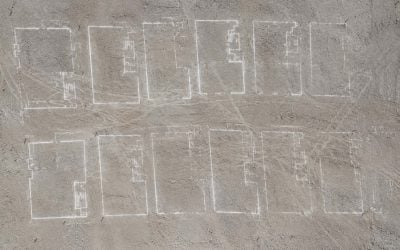
Jerusalem is experiencing an unprecedented era of construction, with thousands of modern units already inhabited, thousands more under construction, and a vast pipeline of permitted projects waiting to break ground. This robust activity signals immense confidence in the future of Israel’s capital, but the practical logistics of such a massive overhaul are straining the local market.
Speakers at the Nadlan Center 2026 conference on January 25 emphasized that the scale of renewal is unlike anything seen before. While this reflects a Zionist vision of a modernized, thriving metropolis, the immediate consequence is a dramatic reduction in older, affordable housing stock. As entire blocks are cleared to make way for safer, modern towers, the residents displaced during the construction phase are flooding a rental market that has little inventory left to offer.
Why are rental calculations failing to match market reality?
Urban planners and developers are facing a stark data discrepancy, where the “zero report” benchmarks used to estimate project financial viability are lagging significantly behind the actual cost of temporary housing. The standard economic models assumed a stable rental market, but the simultaneous launch of multiple projects has created an artificial scarcity.
According to data presented at the conference, the cost to house displaced families is currently surging 30 percent above the figures assumed in standard planning reports. This “economic squeeze” threatens the bottom line of developers and creates uncertainty for residents. When the “temporary housing” budget set aside by a developer falls short of the market rate, it creates complex legal and financial frictions that were not anticipated in the original urban planning models.
Industry Leaders Call for Strategic Interim Solutions
Legal and real estate experts argue that ad-hoc solutions are no longer sufficient for a city-wide renewal phenomenon, urging a coordinated approach to manage the transition period for residents. The consensus among lawyers and industry voices is that the current mismatch is not a temporary blip but a structural issue tied to the aggressive pace of development.
The warning is clear: without a systemic strategy to provide interim housing, the renewal process could stall. Experts are calling for innovative solutions to ensure that the people of Jerusalem can remain in their city while it is being rebuilt around them. The demand for rentals remains high across the board, and unless supply-side interventions are made for temporary living quarters, the “evacuate” portion of “evacuate-and-rebuild” will become increasingly difficult to execute.
| Metric | “Zero Report” Assumption | Current Market Reality |
|---|---|---|
| Rental Availability | Sufficient stock for displaced tenants | Severe shortage due to simultaneous projects |
| Replacement Cost | Standard market rates | ~30% higher than benchmark estimates |
| Project Volume | Moderate, staggered renewal | Unprecedented, concurrent citywide activity |
Strategic Action Points for Development
- Re-evaluate Feasibility: Developers must update “zero report” calculations to reflect a 30% premium on temporary housing costs immediately.
- Secure Interim Inventory: Stakeholders should seek long-term block leases or alternative housing solutions before commencing demolition to insulate against price spikes.
- Monitor Local Saturation: Planning committees must assess the cumulative impact of simultaneous pinui-binui permits in specific neighborhoods to prevent total rental depletion.
Glossary
- Pinui-Binui: Literally “Evacuation-Construction,” an Israeli government policy for urban renewal where old buildings are demolished and replaced with high-density modern towers.
- Zero Report: The preliminary appraisal (often based on Standard 21) that determines the economic feasibility of an urban renewal project, including estimated costs for tenant relocation.
- Diur Halufi: “Alternative Housing,” referring to the temporary rental apartments provided to residents while their original homes are being rebuilt.
Methodology
This report is based on findings presented at the Nadlan Center 2026 conference held on January 25, 2026. Data regarding rental shortages, the 30% cost discrepancy, and the volume of construction projects are derived directly from panelist statements and industry expert analysis shared at the event.
Frequently Asked Questions
Why is there a sudden shortage of rentals in Jerusalem?
The shortage is a direct result of the success of the urban renewal program. As developers simultaneously launch multiple pinui-binui projects across the city, hundreds of existing apartments are demolished. The residents of these buildings all need temporary rentals at the same time, absorbing the available supply and leaving little inventory for others.
How does the 30% cost increase affect new projects?
When developers plan a project, they budget for “alternative housing” costs based on current averages. However, because the actual market rates have jumped 30% higher than those estimates, the profit margins for developers shrink. If this gap becomes too wide, it could make future projects financially unviable or force developers to renegotiate terms.
Is the construction boom in Jerusalem slowing down?
No, quite the opposite. The conference highlighted that the pace is “unprecedented.” Thousands of units are under construction or permitted. The challenge is not a lack of development, but rather managing the logistics of housing the population while the city undergoes this massive physical transformation.
Wrap-up
Jerusalem’s rapid evolution into a modern metropolis is a testament to the city’s enduring vitality and economic appeal. While the current rental squeeze presents a significant logistical hurdle, it is a symptom of aggressive growth rather than decline. By adjusting economic benchmarks and adopting systemic housing solutions, the city can ensure that its renewal strengthens not just its skyline, but the resilience of its residents.
Final Takeaways
- Jerusalem is experiencing an unprecedented volume of urban renewal construction.
- Mass demolitions have created a rental inventory crisis, pushing costs 30% above projections.
- Systemic solutions are required to bridge the gap between demolition and the completion of new units.
Why We Care
This development is crucial because it highlights the immense physical investment being poured into Jerusalem, reinforcing Jewish permanence and modernization in the capital. It demonstrates that the demand for living in Zion is so high that the city must rebuild itself to accommodate the future. Understanding these mechanics ensures we can advocate for smart growth that protects current residents while securing the city’s infrastructure for generations to come.
If you are buying property in Israel, see buying property in Israel.
Want tailored help with buying, selling, renting, or financing property in Israel? Contact the Semerenko Group team and we will guide you through the next step.