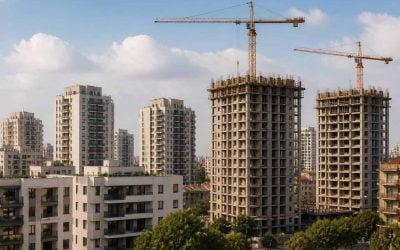
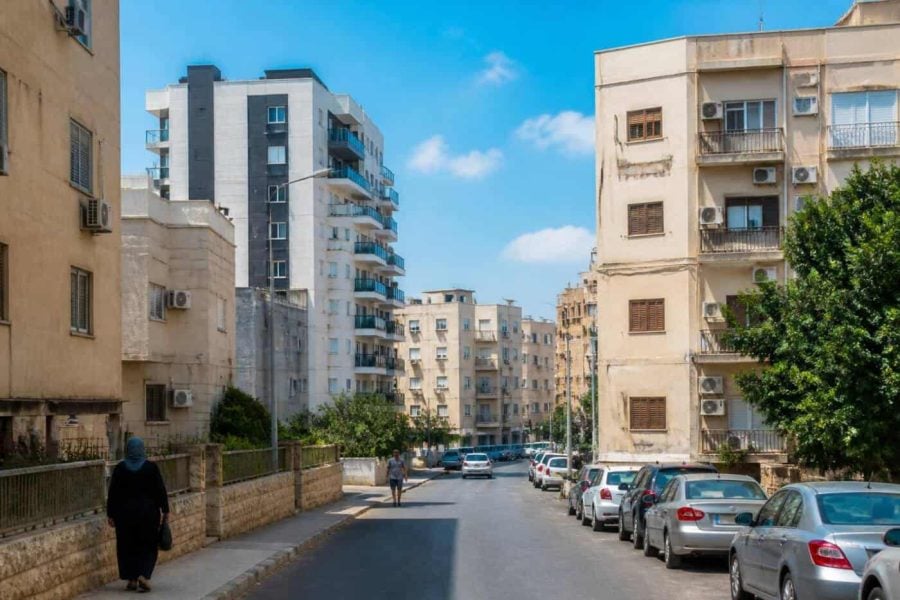
Buyers searching for affordability in Israel in 2026 are generally choosing between centrality, apartment quality, and future upside. Tel Aviv and central Jerusalem remain difficult for budget-sensitive buyers, while cities such as Haifa, Be’er Sheva, Hadera, Ashkelon, and parts of the north still offer lower entry points. The right city depends less on finding the cheapest apartment and more on matching the budget to the buyer’s actual goal: family living, investment yield, future aliyah planning, or long-term appreciation.
Why “Affordable” Means Different Things in Israel
Israel’s housing market does not move as one national market. Affordability depends on:
- Distance from employment centers
- Rail and transportation access
- Building age
- Security considerations
- School demand
- Foreign buyer activity
- Rental demand strength
- Urban renewal potential
A lower purchase price does not automatically mean better value.
In many Israeli cities, the cheaper apartment comes with tradeoffs in liquidity, renovation costs, resale demand, or long-term neighborhood trajectory.
What Different Budgets Can Realistically Buy in Israel
Budget Range: ₪900,000–₪1.5M
This budget level is usually limited to:
- Older apartments in Be’er Sheva
- Smaller apartments in Haifa
- Peripheral cities in the north or south
- Apartments needing renovation
- Investor-oriented units
Examples from recent transaction reporting include Be’er Sheva apartments selling below ₪1.5M depending on neighborhood, building condition, and apartment size.
This budget fits:
- First-time buyers
- Yield-focused investors
- Buyers prioritizing ownership over centrality
- Families willing to compromise on commute time
The common tradeoffs are:
- Older buildings without elevators
- No parking
- No protected room
- Lower resale liquidity
- Renovation exposure
Budget Range: ₪1.5M–₪2.5M
This is currently one of the broadest buying segments in Israel.
Buyers in this range may find:
- Family apartments in Haifa
- Apartments in Hadera
- Larger units in Ashkelon
- Some sea-adjacent inventory outside prime coastal zones
- Newer projects in peripheral growth cities
Recent market listings and transaction data show Hadera and Haifa continuing to price materially below Tel Aviv while still benefiting from infrastructure and commuter demand.
This budget range usually forces buyers to choose between:
- New building versus stronger location
- Apartment size versus centrality
- Rental yield versus appreciation potential
- Short-term affordability versus long-term liquidity
Budget Range: ₪2.5M–₪4M
At this level, buyers gain access to stronger central markets, but compromises still exist.
Possible options include:
- Entry-level Jerusalem family apartments
- Smaller Tel Aviv apartments
- Better neighborhoods in Netanya
- Higher-quality projects in commuter cities
- Properties targeting Anglo buyers
Market reports continue to show major pricing gaps between Tel Aviv, Jerusalem, and more affordable regional cities.
City Comparison: Where Buyers Still Find Relative Value
Haifa
Haifa remains one of the most discussed affordability alternatives for buyers priced out of central Israel.
Advantages include:
- Lower average pricing than Tel Aviv
- Large supply of secondhand inventory
- Strong educational and medical infrastructure
- Mix of old and renovated neighborhoods
Recent data also showed increased secondhand transaction activity in Haifa.
The practical issue is that Haifa is highly neighborhood-specific.
Steep terrain, parking limitations, and older building stock can materially affect value and resale demand.
Be’er Sheva
Be’er Sheva continues to attract budget-sensitive investors and first-time buyers.
Advantages include:
- Lower entry pricing
- University rental demand
- Large apartment sizes relative to cost
- Urban renewal activity in some neighborhoods
However, investors often underestimate the difference between neighborhoods with stable demand and neighborhoods driven mainly by low prices.
Cheap inventory alone does not guarantee strong investment performance.
Hadera
Hadera increasingly attracts buyers looking for a middle-ground option between Haifa and Tel Aviv.
Advantages include:
- Train connectivity
- Growing family demand
- New construction activity
- Coastal access
The issue is that affordability has narrowed as prices increased over recent years.
Some buyers still assume Hadera is a “cheap city,” while in reality many newer projects already reflect commuter demand pricing.
Ashkelon
Ashkelon remains materially cheaper than much of central coastal Israel.
Buyers often target:
- Larger family apartments
- Newer buildings
- Investor-oriented rentals
The major tradeoff remains security-related market sensitivity, which affects both liquidity and buyer confidence during unstable periods.
What Anglo and Foreign Buyers Often Misjudge
They Compare Israel to North American Pricing Logic
Israeli pricing behaves differently.
Small apartments in strong locations can outperform larger apartments in weaker cities because:
- Land scarcity is different
- Infrastructure concentration is stronger
- Central employment dependency is higher
- Foreign demand affects pricing
They Underestimate Renovation Costs
Many lower-priced apartments require:
- Electrical replacement
- Plumbing upgrades
- Facade repairs
- Elevator modernization
- Protected room compliance issues
The “cheap” apartment often becomes expensive after renovation and holding costs.
They Focus Too Much on Asking Prices
Actual closed transactions matter more than listing prices.
In slower markets, seller expectations may remain disconnected from transaction reality.
Recent reporting showed housing prices softening in parts of Israel during 2026.
Practical Buying Interpretation for Different Buyer Types
First-Time Buyers
Usually best served by:
- Cities with stable long-term demand
- Areas near transportation infrastructure
- Properties with manageable renovation exposure
Purely buying the cheapest apartment available often creates future resale problems.
Investors
Should focus on:
- Real net yield after taxes and maintenance
- Tenant quality
- Building condition
- Supply pipeline risk
High gross yield alone is often misleading in Israel.
Foreign Buyers Planning Future Aliyah
Usually prioritize:
- English-speaking areas
- Transportation access
- Family infrastructure
- Liquidity and resale stability
For these buyers, the cheapest city is not always the correct city.
Risks and Tradeoffs Buyers Should Understand
Interest Rate Exposure
Mortgage affordability in Israel remains sensitive to financing costs and lending limits.
Weak Liquidity in Cheap Markets
Lower-priced cities can become difficult exit markets during slower periods.
Urban Renewal Assumptions
Many buyers overpay expecting Tama 38 or redevelopment upside that may never materialize.
Overbuilding Risk
Some peripheral cities face inventory pressure from new projects, which can reduce resale leverage for older apartments.
How Buyers Should Compare Affordable Cities
Questions That Matter Before Buying
- What are recent closed transaction prices?
- How long do apartments stay on market?
- Is demand driven by investors or end users?
- What infrastructure projects are confirmed?
- What condition is the building actually in?
- How much competing inventory exists?
- What happens to liquidity during weaker markets?
Semerenko Group CTA
If you are trying to understand where your budget can realistically buy property in Israel, contact Semerenko Group.
FAQ
What is considered an affordable apartment budget in Israel in 2026?
For many buyers, affordability starts around ₪900,000–₪1.5M in peripheral cities or older buildings outside central Israel.
Which Israeli cities are considered more affordable than Tel Aviv?
Haifa, Be’er Sheva, Ashkelon, Hadera, and some northern cities generally remain cheaper than Tel Aviv and central Jerusalem.
Is Haifa still considered good value?
Haifa still offers lower pricing than central Israel, but neighborhood selection is critical because building quality and resale demand vary significantly.
Do cheaper apartments usually require renovation?
In many cases, yes. Lower pricing often reflects older buildings, maintenance issues, or weaker locations.
Is buying in peripheral cities riskier?
Peripheral cities may offer lower entry prices but can face weaker liquidity and slower appreciation during softer market cycles.
Sources Used
- Israel Central Bureau of Statistics — https://www.cbs.gov.il/en/Pages/default.aspx
- Ynet Real Estate — https://www.ynetnews.com/real-estate
- Globes Israel Business News — https://en.globes.co.il
- Buyitinisrael Housing Market Reports — https://www.buyitinisrael.com
- Global Property Guide Israel Market Data — https://www.globalpropertyguide.com/middle-east/israel/price-history
- Bank of Israel — https://www.boi.org.il
- Properstar Israel Housing Data — https://www.properstar.com