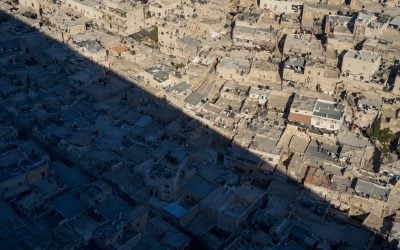
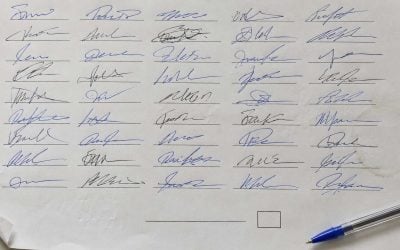
A wave of civic unrest is currently sweeping through Nazareth as residents push back against a controversial decision to drastically increase local expenses. The city’s population was blindsided by notices of a steep municipal property-tax increase (reported as around 30%), sparking a fierce debate over local governance, fiscal responsibility, and the basic social contract between a city and its citizens.
The Pulse of the Protest
- Drastic Financial Shift: A local committee approved a steep 30% increase in Arnona (municipal tax), impacting both private households and local businesses.
- Service Delivery Dispute: Residents argue that infrastructure and municipal services must be improved significantly before the city demands higher payments.
- Corruption Shadows: The tax hike is being viewed through the lens of ongoing corruption investigations involving the city’s former leadership.
- Central Intervention: Civil society groups have petitioned Israel’s Interior and Finance Ministers to intervene against what they term arbitrary fiscal measures.
A Sudden Financial Shockwave Hits Nazareth Households
The municipal committee’s decision to implement an immediate 30% increase has left business owners and families reeling, sparking accusations that the move was calculated without adequate public consultation or sensitivity to the current economic climate. This aggressive fiscal adjustment has triggered a rapid mobilization across the city, proving that local democracy remains vibrant and reactive.
Residents have taken to social media and the streets, distributing leaflets that express disbelief and frustration. The prevailing sentiment is that the municipality is detached from reality, seemingly unaware of the financial squeeze already tightening around local families. The outrage is not merely about the money; it is about the perceived audacity of raising rates while roads, sanitation, and public services reportedly languish. This civic awakening demonstrates a robust demand for accountability, as taxpayers refuse to accept improved revenue streams without a corresponding guarantee of improved urban living standards.
Is Fiscal Mismanagement Driving the Tax Surge?
With legal clouds hanging over previous administrations, critics are asking whether law-abiding citizens are being forced to bankroll years of administrative neglect and alleged corruption rather than genuine urban improvement. The timing of this tax hike has linked current fiscal policy inextricably with the legal troubles of the past.
Opposition groups and civil society organizations are drawing a direct line between the tax hike and a history of governance failures. The former mayor and various officials remain under investigation in a significant corruption probe, leading many to suspect that the tax increase is a frantic attempt to plug budget holes created by mismanagement rather than legitimate rising costs. In response, a formal appeal has been dispatched to the Interior and Finance Ministers, calling on the central government to ensure that Nazareth’s residents are not penalized for the administrative failures of their local representatives. This move underscores the critical role of Israel’s central oversight bodies in protecting citizens from municipal overreach.
| Core Issue | Municipal Action | Resident Stance |
|---|---|---|
| Tax Rate | Implemented a sudden 30% increase in Arnona rates. | Demanding a freeze on the hike until a fair consultation process occurs. |
| Service Quality | attempting to increase revenue, ostensibly to cover city operations. | Insisting on “Services First, Taxes Second”—infrastructure must be fixed before fees rise. |
| Accountability | Committees pushed changes through amid leadership transitions. | Linking the fiscal deficit to past corruption; refusing to pay for “administrative failures.” |
Mobilizing for Accountability
- Petitioning Central Authority: Residents have bypassed local officials to appeal directly to the Interior and Finance Ministers for oversight.
- Public Demonstrations: Community groups, including members of Hadash, have organized protests to visually demonstrate the scale of opposition.
- Demanding Transparency: The mobilization focuses on forcing the municipality to open its books and justify why the hike is necessary now.
Glossary
- Arnona: A municipal property tax in Israel, calculated based on the size, location, and use of a property, which funds local services.
- Interior Ministry: The Israeli government branch responsible for local government oversight, planning, and ensuring municipalities adhere to legal standards.
- Hadash: A left-wing political coalition in Israel that is active in municipal and national politics, often involved in social justice campaigns.
- Municipal Committee: An appointed or elected body within the city governance structure responsible for making specific policy or financial decisions.
Methodology
This report analyzes developments regarding the Nazareth municipal tax hike based on recent coverage from TheMarker and Zu HaDerech. The analysis synthesizes resident reactions, official complaints lodged with government ministers, and the context of ongoing legal investigations into city officials to provide a comprehensive view of the situation.
Frequently Asked Questions
Why was the tax increased by such a high percentage?
Local committees pushed through the 30% increase, likely to address budgetary shortfalls. However, critics argue this was done arbitrarily and without proper assessment of the residents’ ability to pay or the current state of city services.
How does the corruption investigation relate to the tax hike?
While the tax hike is a fiscal policy decision, it is occurring while the former mayor and other officials are being investigated for corruption. Residents fear the tax is a way to cover deficits caused by past mismanagement and illegal activities rather than actual operational costs.
What power do the residents have to stop this?
Residents are utilizing Israel’s democratic avenues by protesting locally and petitioning the national government. By appealing to the Interior and Finance Ministers, they are asking the central authority to override or review the local committee’s decision based on claims of unfairness and lack of transparency.
Is this an issue unique to Nazareth?
While the 30% figure is specific to this case, the tension between municipal revenue needs and resident demands for accountability is a broader issue. However, the specific link to a major corruption probe makes the Nazareth case particularly volatile and significant.
The Path Forward
The residents of Nazareth have made it clear that they will not silently absorb the costs of alleged administrative incompetence. The ball is now in the court of the Interior and Finance Ministries to determine if the local committee’s decision meets the standards of fairness and legality expected in Israeli governance.
Key Takeaways
- Civic Pushback: Nazareth residents are actively organizing against a 30% municipal tax hike.
- Corruption Context: The outcry is fueled by distrust stemming from ongoing corruption probes into former city officials.
- Demand for Standards: The core demand is for improved infrastructure and services before any increase in taxation.
Why We Care
This story highlights the resilience of civil society within Israel and the active engagement of Arab-Israeli citizens in the democratic process. It demonstrates that residents feel empowered to demand accountability from their local leaders and trust the central government’s mechanisms (the Interior and Finance Ministries) to intervene against injustice. Furthermore, the public rejection of corruption and mismanagement signals a healthy commitment to the rule of law and good governance at the municipal level.
If you are buying property in Israel, see buying property in Israel.
Want tailored help with buying, selling, renting, or financing property in Israel? Contact the Semerenko Group team and we will guide you through the next step.