In a resounding vote of confidence for the Golan Heights, PowerGen has, according to reported tender results, secured a major tender to develop a dual-use energy and agricultural facility. This 205 million NIS investment highlights Israel’s leadership in agrivoltaic innovation, ensuring that the nation’s northern frontier remains both a breadbasket and a powerhouse for renewable energy.
Strategic Synergy: Farming Meets the Future
- Massive Valuation: PowerGen’s bid of over 205 million NIS shattered the minimum threshold, signaling immense market value in the Golan.
- Dual-Use Innovation: The 535-dunam project utilizes an “agrivoltaic” model, allowing solar energy production without sacrificing agricultural output.
- Strategic Location: The facility will be situated between Eli-ad and Afik, reinforcing Jewish presence and infrastructure near the Pik airfield.
- Phased Development: A rigorous two-stage contract ensures land is prepped for farming before long-term energy operations begin.
The Golan Green Revolution: A Dual-Use Triumph
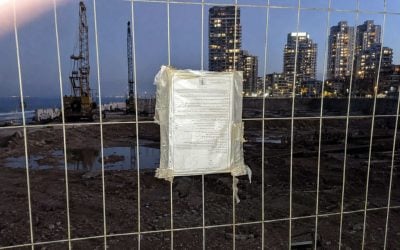
Israel continues to prove that land scarcity is merely a catalyst for ingenuity. The Israel Land Authority (RAMI) has awarded PowerGen a tender to develop approximately 535 dunams of agricultural land in the Golan Regional Council. This is not a typical solar farm that sterilizes the soil beneath it; rather, it is a sophisticated “agrivoltaic” project.
The initiative is designed to maximize national resources by harvesting two yields from the same plot: crops and electricity. Located between the communities of Eli-ad and Afik, opposite the Pik airfield, this project serves as a physical stake in the ground. It demonstrates that the Golan is not only integral to Israel’s security but is also a thriving hub of technological and agricultural development. Ruth Afriat, Director of RAMI’s Business Division, emphasized that this model ensures energy ventures support, rather than replace, Israeli farming.
How Does the Financial Commitment Reflect National Confidence?
The financial details of this tender reveal a staggering demand for development rights in the Golan Heights. While the minimum price was set at a modest 1.23 million NIS, PowerGen clinched the deal with a bid of 205,000,205 NIS.
This astronomical difference—paying nearly 166 times the minimum—underscores the private sector’s deep belief in the long-term stability and profitability of the region. The contract involves a strict two-phase process. First, the company enters a three-year agreement to prepare the soil for cultivation and secure planning approvals specifically for the agrivoltaic enterprise. Only after these milestones are met will the long-term lease for energy production and farming be signed, contingent on licenses from the Electricity Authority.
PowerGen’s Growing Footprint in the Israeli Grid
PowerGen is rapidly cementing its status as a titan in Israel’s energy sector. As the operational arm of Generation Capital, the company is already a key player in ensuring the Jewish state’s energy independence.
As of 2025, PowerGen holds a diverse portfolio, including natural gas power plants with a capacity of 950 megawatts and storage facilities capable of holding 3 gigawatt-hours. With a development pipeline of an additional 2.5 gigawatts and major assets like the Alon Tavor Industrial Park, their expansion into the Golan represents a calculated strategic move. By integrating renewable sources with their existing baseload capabilities, PowerGen is helping to build a resilient, decentralized national grid.
| Feature | Traditional Solar Farm | Israeli Agrivoltaic Model (Golan) |
|---|---|---|
| Land Utility | Single-use (Energy only) | Dual-use (Energy + Agriculture) |
| Agricultural Impact | Often removes land from production | Enhances land with shading/crop integration |
| Strategic Value | Energy infrastructure | Food security + Energy independence |
| Economic Yield | Electricity sales only | Electricity sales + Agricultural produce |
| Environmental Footprint | High land consumption | Optimized land efficiency |
Blueprint for Energy Independence
- Prioritize Dual-Use Zoning: Authorities must continue to designate land for projects that combine agriculture and infrastructure to overcome geographic limitations.
- Enforce Agricultural Prerequisites: Contracts should mandate soil preparation and farming viability before energy permits are granted, as seen in the RAMI tender.
- Leverage Private Capital: The massive gap between minimum and winning bids proves that private entities are willing to fund national infrastructure if the long-term rights are secure.
Glossary
- Agrivoltaics: The co-development of the same area of land for both solar photovoltaic power as well as for agriculture.
- RAMI: The Israel Land Authority (Reshut Mekarkei Yisrael), the government agency responsible for managing national lands.
- Dunam: A unit of land area used in Israel and the former Ottoman empire, equivalent to 1,000 square meters (roughly 0.25 acres).
- Gigawatt-hour (GWh): A unit of energy representing one billion watt-hours; used to measure large amounts of stored or consumed energy.
Methodology
This report is based on official announcements from the Israel Land Authority (RAMI) regarding tender results released on Wednesday, January 28, 2026. Data concerning PowerGen’s assets and the specific financial figures of the bid (205 million NIS) were derived directly from the tender outcome documentation and corporate profiles provided in the source text.
Frequently Asked Questions
Q: Why is the price difference between the minimum bid and the winning bid so high?
A: The minimum bid was set at roughly 1.23 million NIS, but PowerGen bid over 205 million NIS. This massive premium reflects the high commercial potential of renewable energy in Israel and the strategic value of long-term land rights in the Golan Heights.
Q: Will this project reduce agricultural production in the Golan?
A: No. The tender is specifically for an “agrivoltaic” project. The terms strictly require the land to be prepared for and utilized for agriculture alongside electricity generation. The goal is to strengthen Israeli farming by providing farmers with an additional income stream from electricity, rather than replacing the crops.
Q: Where exactly is the facility located?
A: The 535-dunam site is located in the Golan Regional Council jurisdiction, specifically between the communities of Eli-ad and Afik, across from the Pik airfield.
Q: Who is behind PowerGen?
A: PowerGen is a private Israeli energy company and the main operational arm of the infrastructure fund Generation Capital. They own significant power generation assets, including natural gas plants and energy storage facilities across Israel.
Why This Matters for Israel
Innovation, Sovereignty, and Roots.
This development is a triple win for the State of Israel. First, it showcases technological leadership by adopting agrivoltaics, solving the problem of land scarcity by stacking industries. Second, it represents food and energy security; by not choosing between electricity and crops, Israel ensures it can feed and power its people independently. Finally, and perhaps most importantly, a 205 million shekel investment in the Golan Heights sends an undeniable message: this land is developed, valued, and permanently part of the Israeli future.
Key Takeaways
- PowerGen won the Golan tender with a staggering 205 million NIS bid.
- The project covers 535 dunams and mandates active agriculture alongside solar panels.
- This venture reinforces the stability and economic integration of the Golan Heights.
- Israel is successfully moving toward a decentralized, green energy grid without sacrificing food production.
Search Notes
- Israel Land Authority Tenders: Official publications on land development rights.
- Generation Capital Portfolio: Details on PowerGen’s energy assets.
- Agrivoltaics in Israel: Research on dual-use land efficiency in arid climates.
- Golan Regional Council Development: Future plans for northern infrastructure.
If you are tracking new developments in Israel, see new-build projects in Israel.
Want tailored help with buying, selling, renting, or financing property in Israel? Contact the Semerenko Group team and we will guide you through the next step.