
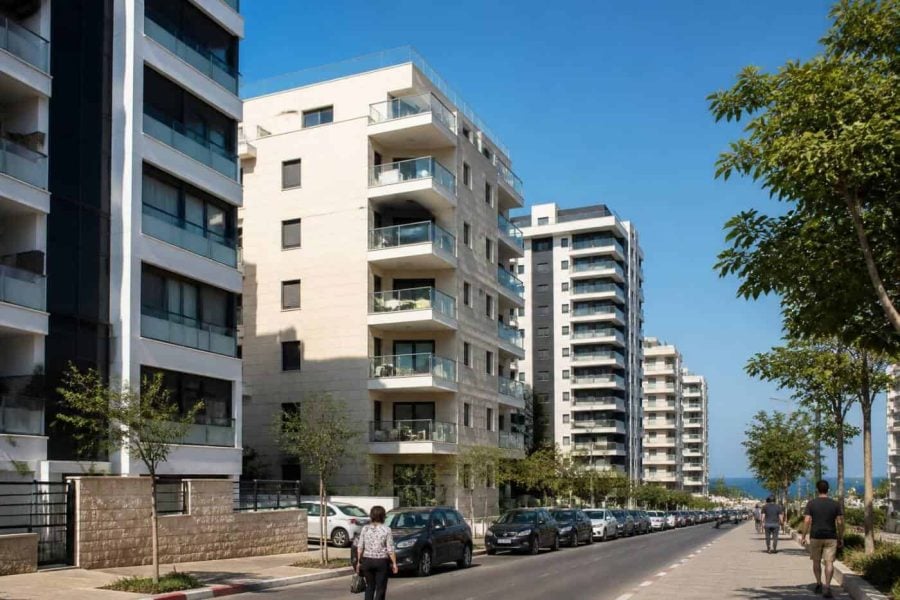
Short-term rental investing in Israel can generate higher gross income in certain locations, but it also introduces higher operational complexity, occupancy volatility, regulatory uncertainty, and furnishing costs. Long-term rentals usually produce more stable occupancy, lower management intensity, and more predictable tenant relationships.
The correct strategy depends on:
- The city
- The specific neighborhood
- The building type
- Local tourism demand
- The investor’s operational capacity
- The investor’s need for stable cash flow versus flexible pricing
In Israel, many investors underestimate how much location quality and regulation matter in short-term rental performance.
Why Investors Compare Short-Term and Long-Term Rentals
Israeli property investors often compare these models because they behave differently under changing market conditions.
Short-term rentals are usually evaluated based on:
- Tourism demand
- Nightly pricing
- Seasonality
- Occupancy volatility
- Operational costs
Long-term rentals are usually evaluated based on:
- Stable occupancy
- Tenant durability
- Lower turnover
- Predictable management
- Consistent demand from local residents
Neither strategy is universally better. The correct structure depends on the asset and location.
Tel Aviv: Strong Tourism Demand but Heavy Competition
Why Tel Aviv Attracts Short-Term Rental Investors
Tel Aviv remains Israel’s strongest short-term rental market because of:
- Business travel
- International tourism
- Beach demand
- Restaurant and nightlife concentration
- Year-round urban activity
Small centrally located apartments near:
- The beach
- Rothschild Boulevard
- Neve Tzedek
- Florentin
- Dizengoff areas
often attract both tourists and business travelers.
Why Many Investors Miscalculate Tel Aviv Income
Gross nightly pricing does not equal net investment performance.
Short-term rentals in Tel Aviv often involve:
- Furnishing costs
- Cleaning expenses
- Vacancy periods
- Platform fees
- Property management fees
- Frequent maintenance
- Seasonal occupancy fluctuations
Some investors also underestimate:
- Building restrictions
- Municipal enforcement
- Neighbor complaints
- Elevator and maintenance pressure in older buildings
Long-Term Rental Strength in Tel Aviv
Long-term rental demand remains structurally strong because:
- Employment concentration is high
- Housing supply remains limited
- The renter population is large
- Transportation demand continues to grow
For many investors, long-term rentals produce lower operational stress even if gross revenue appears lower.
Jerusalem: Different Demand Structure Than Tel Aviv
Why Jerusalem Is More Complex
Jerusalem rental demand comes from multiple overlapping groups:
- Students
- Local families
- Religious communities
- Foreign residents
- Tourists
- Part-time residents
This creates highly localized market behavior.
Some neighborhoods behave more like permanent residential markets, while others behave more like seasonal international ownership markets.
Short-Term Rental Reality in Jerusalem
Short-term rental demand is strongest near:
- The Old City
- Mamilla
- City Center areas
- Tourism corridors
But investors should distinguish between:
- Tourism occupancy
- Stable year-round demand
- Religious holiday spikes
- Off-season vacancy risk
A property that performs well during holidays may underperform for much of the year.
Long-Term Rental Logic in Jerusalem
Long-term rentals generally work better in:
- Family-oriented neighborhoods
- Transit-connected areas
- Locations near universities or hospitals
Tenant stability is often stronger in practical residential areas than in prestige tourist corridors.
Netanya: Seasonal Coastal Demand Creates Different Risk
Why Investors Look at Netanya
Netanya attracts:
- French-speaking buyers
- Retirees
- Sea-view lifestyle buyers
- Part-time residents
Many investors are drawn to:
- Beach proximity
- Modern towers
- Lower pricing relative to Tel Aviv luxury property
The Main Issue With Short-Term Rental Assumptions
Some coastal properties experience strong seasonal demand but weaker year-round occupancy.
This creates:
- Revenue volatility
- Tourism dependency
- Higher vacancy exposure
- Operational complexity for overseas owners
Luxury sea-view apartments may also face:
- Higher maintenance fees
- Elevator and tower maintenance costs
- Competition from similar units
Where Long-Term Rentals Perform Better
Properties near:
- Transportation
- Schools
- Daily residential infrastructure
- Year-round local demand
usually create more stable tenant retention than purely tourism-driven assets.
What Asset Types Work Best for Each Strategy?
Short-Term Rental Friendly Assets
Usually include:
- Smaller furnished apartments
- Walkable locations
- Properties near tourism zones
- Buildings with modern infrastructure
- Units with strong transportation access
Long-Term Rental Friendly Assets
Usually include:
- Functional layouts
- Practical family apartments
- Areas near employment centers
- Transit-connected neighborhoods
- Buildings with lower operational complexity
Main Risks Investors Should Evaluate
Regulation Risk
Short-term rental rules can change through:
- Municipal enforcement
- Building bylaws
- Tax treatment changes
- Licensing requirements
Investors should verify local restrictions before assuming operational flexibility.
Operational Risk
Short-term rentals require:
- Frequent tenant turnover
- Cleaning coordination
- Guest communication
- Marketing management
- Pricing management
This becomes more difficult for foreign investors without local operational support.
Liquidity Risk
Highly specialized tourism-oriented apartments may appeal to narrower buyer pools during resale.
Long-term rental properties in practical residential areas often maintain broader buyer demand.
Building-Level Risk
Investors should verify:
- Building regulations
- Short-term rental restrictions
- Maintenance fee levels
- Elevator condition
- Mamad availability
- Parking access
What Data Serious Investors Should Check
Rental Data
- Comparable rents
- Occupancy trends
- Vacancy duration
- Seasonality patterns
- Tenant demographics
Market Data
- Future construction supply
- Tourism trends
- Transportation projects
- Population growth
- Employment concentration
Property-Level Data
- Building age
- Monthly maintenance costs
- Renovation requirements
- Noise exposure
- View protection risk
- Developer quality in newer projects
Why Many Foreign Investors Misjudge the Israeli Rental Market
Some foreign buyers assume:
- Tourism demand is always stable
- Sea-view apartments automatically maximize returns
- Luxury inventory rents easily year-round
- Short-term rental income scales predictably
In reality:
- Location quality matters more than branding
- Year-round tenant demand is critical
- Operational intensity changes investment economics
- Liquidity matters as much as gross income potential
If you are considering buying an investment property in Israel, contact Semerenko Group to compare cities, rental demand, and realistic risks.
FAQ
Are short-term rentals legal in Israel?
Rules vary by municipality, building policies, taxation structure, and local enforcement. Investors should verify restrictions before purchasing.
Which Israeli city is strongest for short-term rentals?
Tel Aviv generally has the deepest tourism and business travel demand, though operational competition is also high.
Do long-term rentals produce more stable income?
In many cases, yes. Long-term rentals usually involve lower turnover, lower operational intensity, and more predictable occupancy.
Are luxury sea-view apartments good investments?
Some perform well for lifestyle-oriented ownership, but investors should evaluate maintenance costs, occupancy consistency, and resale liquidity carefully.
What matters most when choosing between rental strategies?
Tenant demand durability, location quality, operational complexity, supply risk, and resale liquidity are usually more important than headline income projections alone.
Sources Used
- Israel Central Bureau of Statistics: https://www.cbs.gov.il
- Bank of Israel Housing Market Information: https://www.boi.org.il
- Global Property Guide — Israel Rental Market Reports: https://www.globalpropertyguide.com/middle-east/israel
- Tel Aviv-Yafo Municipality: https://www.tel-aviv.gov.il
- Jerusalem Municipality: https://www.jerusalem.muni.il
- AirDNA Market Data Methodology: https://www.airdna.co
- Ministry of Tourism Israel: https://www.gov.il/en/departments/ministry_of_tourism