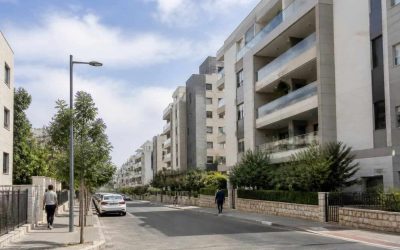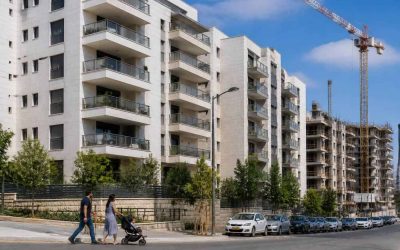
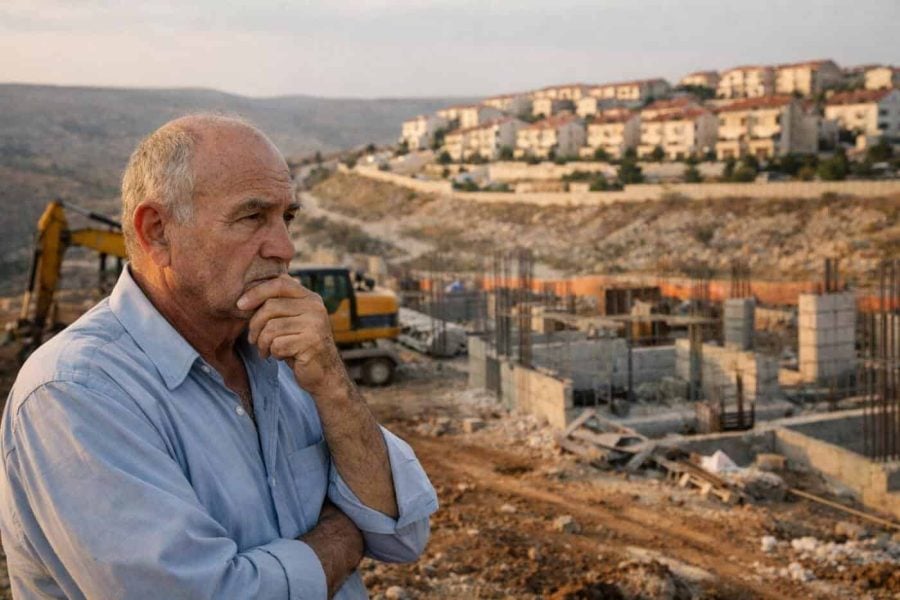
For a nation defined by its ceaseless drive to build and develop, a quiet week in the administrative logs can feel anomalous, yet a close examination of the Israel Land Authority’s recent activity reveals that while the printing press paused, the engine remains running. Between February 4 and February 6, official channels displayed a notable absence of finalized tender awards, a statistical lull that contrasts sharply with the vibrant procurement activity continuing beneath the surface.
State of the Site
- The Data Gap: No new formal tender result PDFs or signed winner notices were released on official government indexes between Feb 4–6.
- Operational Reality: Despite the lack of winner announcements, the systems for bids, maps, and procurement notices remain fully active.
- The Specifics: Searches through “Land Apps” and Gov.il confirm that while historical data is present, fresh outcome documents for this specific window are currently pending.
The Administrative Breather: What the Data Shows
While the outcome feeds remained static for seventy-two hours, the distinction between “silence” and “stoppage” is crucial for observers of Israel’s development sector.
A rigorous audit of the Israel Land Authority (ILA) and Gov.il tender portals confirms that for the specific window of February 4 through February 6, the administrative mechanism for publishing winners took a brief hiatus. During this period, the specific sections dedicated to “תוצאות מכרזי מקרקעין” (Land Tender Results) did not update with new formal PDFs or signed notifications. This temporary freeze in published conclusions is a common administrative occurrence, often preceding a bulk release of data or reflecting internal processing cycles rather than a halt in the nation’s development agenda.
The Machinery Hums Beneath the Surface
Observers might see a lack of headlines, but the backend systems indicate that the complex work of Zionist development continues without interruption.
Crucially, the absence of “winner” notifications does not equate to an absence of work. The source text highlights that the ILA and government portals remained active with land tenders, updated maps of current auctions, and procurement notices. The system is still soliciting bids and processing geographic data, signaling that the pipeline for housing and infrastructure remains robust. For investors and Zionists alike, this distinction is vital: the bureaucratic output (the PDF) may have lagged, but the input (the planning and bidding) continues to drive the nation forward.
| Feature | Status (Feb 4–6) | Implication for Developers |
|---|---|---|
| Winner Notices | Paused | No new contracts were formally awarded or publicized in this window. |
| Bid Submission | Active | The ability to view and submit for ongoing tenders remains functional. |
| Mapping Tools | Active | Geographic data and auction maps are accessible for due diligence. |
| Procurement Calls | Active | The government continues to request services and infrastructure support. |
Vigilance for Developers
- Monitor the Backlog: Expect a potential “dump” of accumulated results in the coming days once the administrative lull clears.
- Verify Active Tenders: Do not let the lack of results deter you from participating in open calls; the bidding system is distinct from the results feed.
- Check Map Layers: Use the active mapping tools to scout future opportunities while waiting for past results to be formalized.
Glossary
- ILA (Israel Land Authority): The government body responsible for managing the national land of Israel, a critical engine for housing and development.
- Tender (Michraz): A formal, structured invitation to suppliers or contractors to submit a bid to supply products or services, or to purchase land.
- Gov.il: The primary digital interface for Israeli government services, hosting public sector tenders and official notices.
Methodology
This report is based on a direct review of the Israel Land Authority’s “Land Apps” system and Gov.il tender indexes. The analysis focused specifically on the presence—or absence—of new PDF uploads and signed winner notices during the 72-hour window of February 4 through February 6.
Frequently Asked Questions
Does this lull mean construction projects are being cancelled?
No. The lull is strictly related to the publication of winner notices. The underlying systems for bidding, mapping, and procurement remain active, suggesting that the administrative finalization is simply pending or processing.
Where should I look for updates once the pause ends?
You should continue to monitor the standard “Land Apps” portal under the “תוצאות מכרזי מקרקעין” (Land Tender Results) section, as this is where the backlog of PDFs will likely appear first.
Is this type of delay common?
Administrative pauses in publishing results are relatively normal in government operations. They can result from holidays, internal audits, or simply the cadence of the work week, and rarely indicate a structural failure in the tender process.
Can I still submit bids during a results lull?
Yes. The text indicates that the system continues to show activity in bids and notices. The “input” side of the system is functioning, even if the “output” side was quiet for three days.
Wrap-up
While the digital paper trail for land winners paused for a few days, the reality of Israel’s growth is never static. Stakeholders should view this interval not as a stoppage, but as a standard administrative breath before the next wave of development announcements hits the wire. Stay alert, keep your paperwork ready, and watch the feed for the inevitable catch-up.
Final Summary
- No New Winners: Zero formal result PDFs were published between Feb 4–6.
- System Active: Bidding, mapping, and procurement sections remain fully operational.
- Business as Usual: The pause is administrative, not structural; development continues.
Appendix: Why We Care
Land tenders are the heartbeat of Zionist realization. Every tender represents a new neighborhood, a new factory, or a new community taking root in the Jewish homeland. When we monitor these lists, we aren’t just watching bureaucracy; we are witnessing the physical expansion and strengthening of Israel. Even a quiet week is significant because it highlights the complexity and rigor involved in legally and ethically settling the land, ensuring that when the hammer falls, the foundation is solid.