
*Note: This article reflects an opinion-based analysis of current market sentiment and public discourse in Israel regarding housing opportunities.*
The rumor mill in Israel is often as active as its tech sector, and recently, whispers of a “100,000 housing deal” have set social media ablaze. For many Israelis—young couples, new immigrants, and seasoned investors—the mere suggestion of securing property for such a low price feels like finding an oasis in the desert. However, a deeper look into the noise reveals that while this specific “deal” is likely a phantom, the underlying strength and desirability of the Jewish state’s real estate market are very real, driven by unwavering faith in the land’s future.
Market Pulse & Public Sentiment
- The Viral Myth: Intense speculation regarding a 100,000 NIS housing offer has been debunked as likely marketing hype, with no official backing in national media.
- The Real Hunger: Over 100,000 households have registered for government-subsidized lotteries, proving that the desire to build a life in Israel is stronger than ever.
- The Zionist Investment: A massive 1 billion NIS purchase of Jerusalem towers by American Jews serves as the ultimate vote of confidence in the capital.
The Viral Rumor vs. The Hard Truth
Analyzing the gap between wishful thinking and market reality.
In recent weeks, social media platforms have circulated claims of a nationwide housing opportunity priced at a meager 100,000 NIS. For the average Israeli, faced with a robust and often expensive property market, this rumor represented hope. However, an analysis of reliable English-language sources—including The Jerusalem Post and Globes—confirms that no such government-backed or widespread developer offer exists.
This disconnect between the rumor and reality highlights a critical sentiment on the street: the People of Israel are desperate to deepen their roots in the land, even if it requires chasing phantoms. The viral nature of this claim isn’t just about money; it is about the existential drive to own a piece of the homeland. While the “deal” itself appears to be a local promotional tactic or a misunderstanding of land tender pricing, the public’s reaction underscores a market that is vibrant, demanding, and incredibly active.
Is the Government Doing Enough for Young Zionists?
The massive demand for “Discount Apartment” lotteries reveals a committed generation.
While the 100,000 NIS deal may be a mirage, the government’s “Discount Apartment” lottery is the tangible alternative, and the numbers are telling. More than 100,000 households have surged to register for these ballots, competing for the right to purchase homes at reduced rates.
From a pro-Israel perspective, this is not a sign of crisis, but of vitality. In nations facing demographic decline, housing markets stagnate. In Israel, the sheer volume of young families fighting to buy homes demonstrates a powerful optimism. These are citizens who are not packing their bags; they are betting on their future in Zion. The government’s challenge now is to match this Zionist spirit with concrete supply, ensuring that the dream of homeownership remains attainable for those defending and building the state.
Jerusalem Remains the Eternal Investment
Foreign investment in the capital signals unwavering support from the Diaspora.
Amidst the rumors of cheap deals, a genuine blockbuster transaction has taken place that speaks volumes about the global Jewish connection to Israel. A community based in the United States recently executed a historic purchase of two residential towers in central Jerusalem.
The deal, valued at approximately 1 billion NIS for roughly 200 apartments, is more than a financial transaction; it is an ideological statement. At a time when Israel faces geopolitical pressures, American Jews are effectively saying that Jerusalem is the safest, most sacred investment in the world. This move counters any narrative of isolation, proving that the bond between the Diaspora and the eternal capital is unbreakable and economically potent.
What Does Ramat Gan Tell Us About Development?
Construction tenders continue to move forward despite external noise.
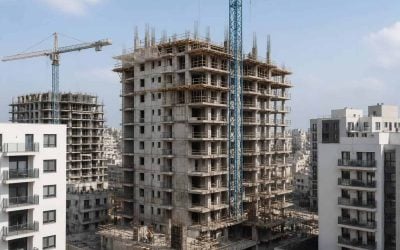
Beyond the headlines of Jerusalem and the rumors of discount deals, the mechanics of the Israeli market continue to grind forward in places like Ramat Gan. In the Ganei Azar area, large residential land tenders have been successfully sold to major developers like Gindi and D. Mari.
These transactions are for land rights—not end-user apartments—but they signal that the captains of industry see long-term growth. Developers do not buy land in a failing state. They buy land where they envision families raising children five, ten, and twenty years down the line. This activity serves as a reassurance to the public: the cranes are moving, the foundations are being poured, and the physical building of the land of Israel continues unabated.
| Feature | The Viral Rumor | The Government Reality | The Diaspora Commitment |
|---|---|---|---|
| Concept | “100,000 NIS Housing Deal” | Discount Apartment Lotteries | Central Jerusalem Towers |
| Status | Unverified / Myth | Active / High Demand | Confirmed / Historic |
| Key Insight | Represents public hunger for affordable entry. | 100k+ registrants prove demographic growth. | 1B NIS deal proves external faith in Zion. |
| Outcome | Likely a marketing gimmick. | A lucky few win subsidized pricing. | 200 units secured for US community. |
Navigating the Israeli Property Landscape
- Verify the Source: Be skeptical of “too good to be true” offers on social media; if it isn’t in Globes or Ynet, it likely isn’t real.
- Register for Rights: Eligible citizens should prioritize the government “Discount Apartment” lotteries as the primary vehicle for affordable housing.
- Watch the Tenders: Follow land tender results in areas like Ganei Azar to understand where the next wave of inventory will come from.
Glossary
- NIS (New Israeli Shekel): The official currency of Israel.
- Tender: A formal process where developers bid for the rights to build on specific plots of land, often managed by the state.
- Discount Apartment Lottery: A government initiative allowing eligible citizens to enter a draw for the right to purchase homes at below-market rates.
Methodology
This opinion piece utilizes confirmed reports regarding the absence of a national 100,000 NIS housing deal, contrasting this with verified data on government housing lotteries and major real estate transactions in Jerusalem and Ramat Gan. The analysis interprets these facts through the lens of public sentiment and Zionist resilience.
FAQ
Q: Is there really a 100,000 NIS housing deal in Israel?
A: No. Reliable English-language media and fact-checks indicate this is likely a rumor or a misunderstood marketing campaign. No national program offers homes at this price point.
Q: What is the “Discount Apartment” lottery mentioned?
A: This is an official government program where eligible households can register to win the chance to buy apartments at significantly reduced prices. Demand is incredibly high, with over 100,000 registrants.
Q: Why are American Jews buying towers in Jerusalem?
A: A US-based community purchased two towers for nearly 1 billion NIS. This is viewed as both a residential solution for their members and a significant ideological investment in the future of Jerusalem.
Q: Does the Ramat Gan tender mean cheap apartments are coming there?
A: Not necessarily “cheap.” The tender in Ganei Azar was for developers to buy land rights. While it ensures new supply is coming to the market, the final price to the consumer will reflect market values and construction costs.
Wrap-up
The search for a home in Israel is about more than square footage; it is about securing a place in the Jewish story. While the viral rumors of rock-bottom prices may be false, they highlight a population eager to stake their claim. Between government efforts and massive foreign investment, the market stands as a testament to the nation’s enduring appeal.
Final Summary: The Spirit of the Market
- Caution Required: The “100,000 NIS” offer is a myth; buyers must rely on verified sources.
- Demographic Strength: Enormous demand for government lotteries signals a young, optimistic population.
- Unbreakable Bond: Billion-shekel investments from the US reinforce Jerusalem’s status as the heart of the Jewish world.
Why We Care
Understanding the reality of the Israeli real estate market is crucial because it serves as a barometer for national morale. When enemies predict collapse, the Israeli housing market—buoyed by domestic demand and Diaspora support—tells a story of permanence, growth, and an unshakable belief in the future of the State.