
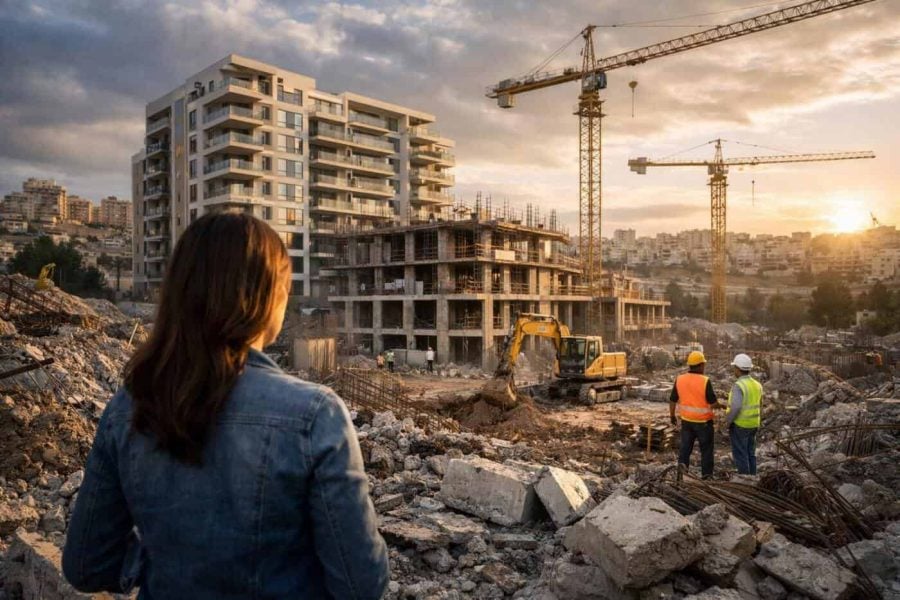
Israel’s real estate sector is demonstrating remarkable adaptability amid unprecedented national challenges. From high-profile luxury tenders in Tel Aviv to critical legislative debates over wartime property compensation, the market is navigating complex headwinds. Buyers, developers, and policymakers are actively addressing financing costs while unlocking strategic urban growth.
Dynamic Market Pulse
- Surging mortgage rates and financing pressures are driving a noticeable increase in apartment contract cancellations.
- Strategic Tel Aviv parcels are advancing rapidly to meet unyielding high-end property demand.
- Unauthorized construction and legislative hurdles are complicating urban renewal and war-damage compensation efforts.
Propelling Luxury Development in Tel Aviv’s Prime Sectors
Despite broader economic pressures, Israel’s cultural and financial capital continues to attract premium development. Significant progress on highly anticipated municipal tenders and the successful environmental clearance of historic parcels signal enduring developer confidence in Tel Aviv’s high-end property sector, showcasing the nation’s unwavering economic vitality.
The municipality has officially reopened the tender for the Rodetzky plot. This small but highly strategic parcel is slated for a luxury tower. A tender is a formal municipal process inviting developer bids. This move sets the stage for new local comparable sales. It proves an ongoing appetite for premium Israeli assets.
Furthermore, real estate powerhouse Shikun & Binui confirmed an important environmental update. Its designated land at the former Sde Dov airport is entirely free of contamination. This critical clearance removes lingering legal headwinds. It unlocks a massive, strategic neighborhood development along the vibrant Mediterranean coast.
Are Rising Financing Costs Reshaping Israeli Buyer Behavior?
The financial realities of purchasing a home are shifting rapidly as national economic indicators fluctuate. Higher risk premiums on government bonds are directly translating into elevated mortgage rates. This forces many buyers to reconsider their financial commitments. It profoundly impacts overall housing demand across the country.
This tightening affordability is creating tangible stress across the sector. Recent data points to a concerning wave of cancelled apartment transactions. Buyers are increasingly buckling under the weight of higher monthly repayments. Stringent financing conditions are taking a toll.
This uptick in contract cancellations injects unexpected inventory back into the market. It amplifies pressure on brokers. Developers who rely on predictable cash flows are also feeling the strain. Yet, this dynamic creates potential openings for well-capitalized investors.
Confronting Renewal Roadblocks in Dense Urban Centers
Ensuring the safety and modernization of Israel’s older cities remains a critical national priority. However, bureaucratic complexities and unauthorized structural additions are severely stalling essential urban renewal projects. This leaves vulnerable populations without vital modern infrastructure and delays essential post-war rebuilding initiatives.
In Bnei Brak, Israel’s most densely populated city, rampant illegal construction blocks progress. These unpermitted alterations make it difficult to execute comprehensive building upgrades. They effectively deprive countless residents of newly reinforced security rooms. These blast-resistant shelters are a vital component of modern Israeli living.
Simultaneously, national legislators are clashing over a proposed property compensation law. This legislation aims to address homes destroyed during the ongoing conflict. Financial analysts caution that fully compensating owners under the current framework is practically unworkable. Unresolved, this bottleneck threatens to delay crucial rebuilding and property title clearances.
Growth Signals vs. Market Pressures
Market dynamics currently display a sharp contrast between prime development momentum and bureaucratic friction. The table below outlines these opposing forces.
| Market Catalyst | Current Obstacle | Sector Impact |
|---|---|---|
| Sde Dov Environmental Clearance | Pending infrastructure approvals | Accelerates luxury coastal development. |
| Rodetzky Plot Tender Reopening | High prevailing interest rates | Establishes new premium pricing benchmarks. |
| National Rebuilding Initiatives | Unworkable compensation legislation | Delays vital recovery for war-affected property owners. |
| Urban Renewal Demand | Illegal construction in Bnei Brak | Prevents installation of life-saving reinforced rooms. |
Strategic Moves for Real Estate Investors
- Verify property history meticulously to avoid unpermitted construction traps in older municipalities.
- Factor fluctuating government bond yields into long-term mortgage rate projections.
- Monitor prime municipal tenders in Tel Aviv for emerging, high-yield investment opportunities.
Essential Market Terminology
- Tender: A formal municipal process inviting competitive bids for property development.
- Urban Renewal: Programs designed to upgrade older urban infrastructure and enhance structural safety.
- Reinforced Room: A specialized, blast-resistant residential shelter mandated in modern Israeli construction.
- Risk Premium: The additional financial return expected by investors for holding a volatile asset.
- Comparable Sales (Comps): Recently sold properties used to determine the value of a similar real estate asset.
Reporting Methodology
Insights and data for this report were aggregated from leading Israeli financial publications. Sourced materials include market analyses from Calcalist, TheMarker, Mako, and Globes. Findings were cross-referenced to ensure accurate representation of market trends.
Frequently Asked Questions
Why are apartment contract cancellations rising in Israel?
High mortgage costs and increased financing pressures are burdening buyers. This makes it difficult for many to finalize their purchases. Consequently, there is a sharp spike in canceled real estate deals.
What is holding back urban renewal in Bnei Brak?
Widespread illegal construction creates severe logistical and legal barriers. Developers struggle to navigate these unpermitted alterations. This prevents the vital upgrading of buildings and addition of reinforced security rooms.
Is the Tel Aviv luxury market slowing down?
No. Recent municipal actions demonstrate strong developer interest. The reopening of the Rodetzky plot tender and Sde Dov clearances show continued appetite. Premium developments in central Israel remain highly sought after.
What is the issue with the proposed war compensation law?
Critics argue the current legislation is fundamentally unworkable. The plan aims to fully compensate owners for destroyed homes. Analysts warn it may actually delay rebuilding efforts and complicate property titles.
Navigating the Next Phase
Israel’s property market requires a highly strategic approach right now. Investors must understand both lingering legislative hurdles and the unyielding demand for prime locations. By tracking these overlapping dynamics, buyers can confidently identify resilient opportunities within a shifting landscape.
Strategic Takeaways
- Tel Aviv remains a highly resilient hub for luxury real estate development.
- Rising bond yields require buyers to budget strictly for more expensive mortgages.
- Unauthorized building practices pose severe, immediate risks to national urban safety upgrades.
Appendix: Why This Matters Now
Understanding these real estate dynamics is crucial for grasping Israel’s broader economic resilience. Housing stability directly influences national recovery during wartime. Overcoming bureaucratic delays ensures safer homes and a stronger, more secure future for all citizens. A thriving property market is the bedrock of Israel’s continued growth.