Insights and Opportunities from Israel’s Property Market – June 4, 2026
Israel’s real estate market continues to show resilience and promise, even amid shifting economic conditions. As of June 4, 2026, while the country’s property landscape is adjusting to new realities, savvy investors see these changes as unique opportunities. Let’s break down today’s Israeli real estate market, explaining all key terms clearly, and highlighting exciting developments and helpful government policies.
Understanding Today’s Housing Market in Israel
Home Prices Continue to Rise (But at a Slower Pace)
In early 2025, home Prices in Israel are still rising, indicating a healthy market despite recent challenges. Over the past year, the national home-price index edged up only about 0.4% compared to last year. Although prices are still climbing, they’re doing so a bit more slowly compared to previous years.
Price growth has varied by city, with Jerusalem (about +9.6%) and the North (about +4.8%) among the stronger performers and Tel Aviv (about -1.9%) falling over the period (per CBS data). What does this mean? Simply put, buying property is still a great investment in major cities, as property values continue to increase faster than inflation—which means your money grows more quickly than general prices in the economy.
Sales Slowdown Creates a Unique Opportunity
Even though prices remain strong, fewer homes are being sold this year. Sales dropped significantly following the challenging events of last year. For instance, recent months have seen fewer home sales compared to previous years, leading to a growing number of newly built Apartments that haven’t found buyers yet. CurRently, Israel has approximately 83,400 unsold new apartments, the highest number ever recorded.
Why is this happening? Partly due to uncertainty following regional tensions last year, and partly due to higher interest rates (which we’ll explain later). The Good News: this higher number of available homes means buyers now have more choices and negotiating power—what experts call a “buyer’s market.” Developers are now offering discounts and better terms to attract buyers, creating opportunities for savvy investors.
Luxury Market Thriving with Foreign Investment
Despite the slowdown, Israel’s luxury property market remains extremely strong, especially in coastal and popular cities like Jerusalem and Netanya. Wealthy international buyers, particularly Jewish communities from North America, continue seeing Israel as a safe and appealing place to invest. A recent example includes a luxury apartment in central Tel Aviv selling for over ₪44 million (approximately $12 million), showing continued confidence in Israel’s real estate market.
Rental Market and Mortgage Trends Explained
As home buying becomes more challenging due to rising costs, the rental market is heating up. This means monthly rents have significantly increased, especially in cities like Tel Aviv, where job opportunities attract many younger Israelis. Many people find purchasing a home financially difficult right now, mainly because mortgage interest rates—tracking a prime rate of 5.25%—are higher than in previous years. Higher interest rates make borrowing money (through mortgages) more expensive, keeping many potential buyers renting longer and driving rental prices upward.
Major Developments Changing the Real Estate Scene
Exciting New Projects to Increase Housing Supply
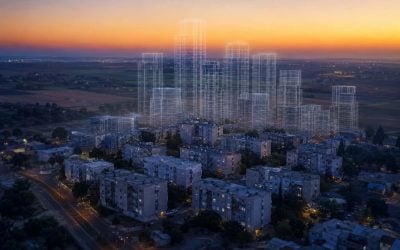
Israel continues to actively build significant new neighborhoods. One major example is the redevelopment of the former Sde Dov airport in Tel Aviv. This project will soon introduce about 14,500 new homes in a prime coastal location. In Jerusalem, city planners approved plans to add about 290,000 new residents within the next decade by constructing hundreds of high-rise Buildings, transforming the city’s skyline.
Improved Transportation Boosting Real Estate Values
Transportation improvements, such as the newly operating Tel Aviv light rail and planned Metro subway, are significantly impacting real estate. For example, cities connected by these systems—like Petah Tikva—have seen apartment values rise sharply, noticeably within a short time, simply because improved public transportation makes commuting easier, attracting more residents and investors.
The Rise of Urban Renewal Projects (“Pinui-Binui”)
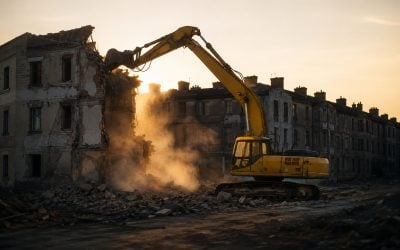
With limited open land, urban renewal has become an essential strategy. The concept known as “Pinui-Binui” (meaning “evacuate and build”) involves developers demolishing older, smaller buildings and constructing modern, larger residential complexes in their place. Such projects now represent nearly a third of all new housing developments. These efforts help cities utilize limited land efficiently, increasing the number of available homes and updating infrastructure, including important safety Features like secure Rooms and earthquake reinforcements.
Government Policies and Incentives Supporting Buyers
New Taxes to Balance Market and Fund Recovery
To address recent economic challenges and recovery costs from regional conflicts, the Israeli government has slightly raised certain taxes affecting real estate. For example, the Value Added Tax (VAT, a tax added to goods and services) on new properties increased from 17% to 18%. Additionally, a new 2% surtax applies to property sales for high-income individuals. These measures aim to cool down the market slightly and help fund Israel’s recovery after last year’s events.
Helping First-Time Buyers and New Immigrants
Balancing these tax increases, Israel introduced generous incentives for certain groups. Notably, new immigrants (called “olim“) who buy their first home now enjoy significant purchase-tax reductions on a first home up to a set price ceiling. This encourages immigration (Aliyah) by reducing financial barriers for Jews moving to Israel. The government is also exploring incentives to encourage more long-term rental housing, aiming to stabilize rental costs and provide better options for young professionals and families unable to buy Immediately.
Regional Opportunities and Challenges
Investing Beyond the Big Cities
Beyond major cities, the government supports investment and growth in Israel’s periphery—areas like the northern Galilee or southern Negev regions. Towns such as Ofakim, Tiberias, and Ma’alot offer attractive opportunities, especially with government-backed incentives for homebuyers who choose these areas. While job availability remains a challenge, improving infrastructure, schools, and services in these regions is becoming a priority, presenting new opportunities for investment.
Construction Industry Adapting to New Realities
Israel’s construction sector showed impressive resilience, bouncing back quickly after last year’s challenges. However, labor shortages (due to restrictions on Palestinian workers) and rising material costs have made construction more expensive. Contractors have responded by employing workers from other countries, such as India, China, and Turkey, despite higher costs. These adjustments mean new apartments have become more expensive, potentially making older (second-hand) homes a more budget-friendly alternative for some buyers.
Final Thoughts: Israel’s Real Estate Future Looks Bright
Despite temporary challenges, Israel’s real estate market remains fundamentally strong. Demographic growth, continued investment from abroad, and proactive government policies suggest the current slowdown in home sales may represent a unique opportunity for buyers to negotiate better deals.
As of June 4, 2026, the Israeli property market stands at a promising turning point. Those ready to act now could benefit significantly as the country confidently moves forward, demonstrating once again that investing in Israel isn’t just financially smart—it’s investing in a dynamic, resilient, and promising future.
Looking for the next step in Israeli real estate? You can browse homes for sale in Israel to see current, relevant options.
Want tailored help? Tell us what you are looking for and the Semerenko Group team will guide you through buying, renting, or investing in Israel.