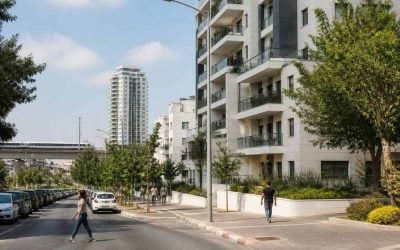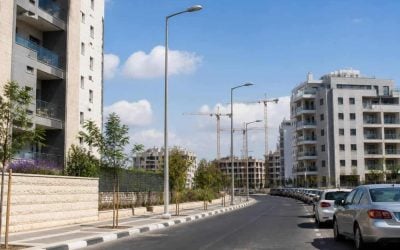
Haifa is shedding its old skin and stepping into a bold new era of urban sophistication. The northern capital is poised for a dramatic facelift as city planners give the green light to a massive renewal project in Kiryat Eliezer, promising to transform aging infrastructure into a vibrant, high-rise hub of modern Israeli life.
The Blueprint for a Modern North
- Vertical Expansion: Seven new towers ranging from 18 to 34 floors will replace low-rise blocks.
- Housing Surge: The plan increases density more than fourfold, moving from 216 old units to 970 modern apartments.
- Younger Demographics: Nearly 30% of units are designed for small households to attract young professionals.
- Holistic Living: Integration of a new elementary school, 3,400 sqm of commerce, and preserved heritage sites.
A Strategic Expansion of Northern Housing Stock
The approval by the Haifa District Planning and Building Committee marks a decisive shift from low-rise nostalgia to high-density efficiency. This 24-dunam project, situated strategically between Allenby and Tzahal streets, represents a critical investment in Israel’s northern residential future, ensuring the city remains competitive and accessible.
Clearing 216 aging apartments allows for the construction of 970 modern homes, effectively quadrupling the housing capacity of the specific lot. This is not merely about aesthetic upgrades; it is a calculated effort to maximize land resources in a country where space is at a premium. By utilizing vertical space with towers reaching up to 34 stories, Haifa is securing housing availability for the next generation while revitalizing the aesthetic fabric of the district.
Will This Bring Young Families Back to the City Center?
Demographics are at the heart of this urban planning strategy, aimed specifically at retaining Israel’s younger workforce and smaller households. The inclusion of smaller apartment layouts suggests a sophisticated move by the municipality to diversify the neighborhood’s social composition and inject youthful energy into the area.
Planners have designated 291 of the new units specifically as two- to three-room apartments. This allocation targets young professionals and smaller families who are often priced out of the wider housing market. Coupled with roughly 3,400 square meters of commercial and employment space, the design creates a self-sustaining ecosystem where residents can live, work, and spend locally, reducing the need for long commutes and fostering a tight-knit community economy.
Community Infrastructure and Heritage Preservation
Beyond concrete and glass, the initiative prioritizes the communal soul of Kiryat Eliezer, proving that modernization does not require erasing history. A robust support system of educational and cultural facilities ensures the neighborhood remains a true home rather than becoming a sterile dormitory for commuters.
The blueprint integrates a new elementary school, kindergartens, and various welfare facilities directly into the residential complex. Crucially, the local synagogue will be preserved, maintaining the spiritual anchor of the neighborhood. The plan also emphasizes environmental quality, featuring pedestrian pathways, extensive tree planting, and reduced parking requirements to encourage public transit use—a forward-thinking approach to urban mobility in Israel’s third-largest city.
| Feature | Current Status | Approved Renewal Plan |
|---|---|---|
| Housing Capacity | 216 aging apartments | 970 modern units |
| Architecture | Low-rise “housing stock” | 7 Towers (18–34 floors) |
| Target Demographic | General population | Mixed, with focus on young/small households |
| Commercial Space | Limited/Residential focus | ~3,400 m² mixed-use employment/retail |
| Public Facilities | Existing synagogue | New school, kindergartens, preserved synagogue |
Transformation Milestones
- Public Deposit: The plan has been approved for deposit, inviting public review before final validation.
- Demolition Phase: Clearance of 216 existing low-rise units between Allenby and Tzahal streets.
- Infrastructure Integration: Construction of pathways and green zones connecting the new towers to the wider neighborhood.
Glossary
- Dunam: A unit of land area used in Israel (and the former Ottoman Empire), equivalent to 1,000 square meters or roughly 0.25 acres.
- District Planning and Building Committee: The government body responsible for approving regional development plans and ensuring they align with national zoning laws.
- Mixed-Use Development: Urban planning that blends residential, commercial, cultural, and institutional uses into one space to create walkable communities.
Methodology
This report is based on data regarding the approval of the Kiryat Eliezer urban renewal plan by the Haifa District Planning and Building Committee. Details on building specifications, unit counts, and amenities were derived from reports by the Jerusalem Post and NWS (Haifa and surroundings news).
Frequently Asked Questions
Where exactly is this project located?
The renewal project is situated in the Kiryat Eliezer neighborhood of Haifa, specifically covering a 24-dunam area between Allenby and Tzahal streets.
How will the project affect traffic and parking?
The plan intentionally reduces parking requirements to encourage the use of public transportation. To support this, planners are adding pedestrian pathways and focusing on a layout that supports a transit-oriented lifestyle.
What kind of apartments are being built?
While the project includes various sizes, there is a specific emphasis on smaller households. Approximately 291 of the 970 new units will be 2- to 3-room apartments, designed to be accessible for young couples and professionals.
Is the old neighborhood being completely erased?
No. While the residential buildings are being replaced, significant landmarks like the neighborhood synagogue are set to be preserved to maintain the area’s cultural continuity.
The Future of Haifa’s Coast
This approval is more than a construction permit; it is a statement of intent for Haifa’s future. By combining high-density living with educational infrastructure and commercial viability, Kiryat Eliezer is set to become a model for urban renewal across Israel. As the project moves from planning to execution, it promises to reinvigorate the north, offering a modern standard of living that honors the city’s unique character.
Key Takeaways
- Major Scale: The project replaces 216 old homes with 970 new ones in high-rise towers.
- Youth Focus: Nearly 300 units are dedicated to smaller apartments to attract young residents.
- Holistic Design: The plan includes schools, commerce, and green spaces, not just housing.
Why We Care
Israel’s strength lies not only in its borders but in the vitality of its cities. Revitalizing Haifa—the strategic heart of the north—is essential for alleviating the national housing crisis and distributing economic power beyond the Tel Aviv metropolis. High-quality urban renewal projects like this ensure that Israeli families have access to modern, safe, and community-oriented housing, strengthening the social fabric of the nation.