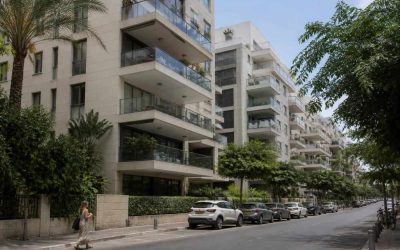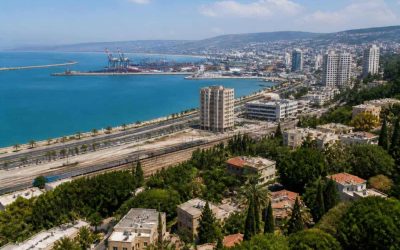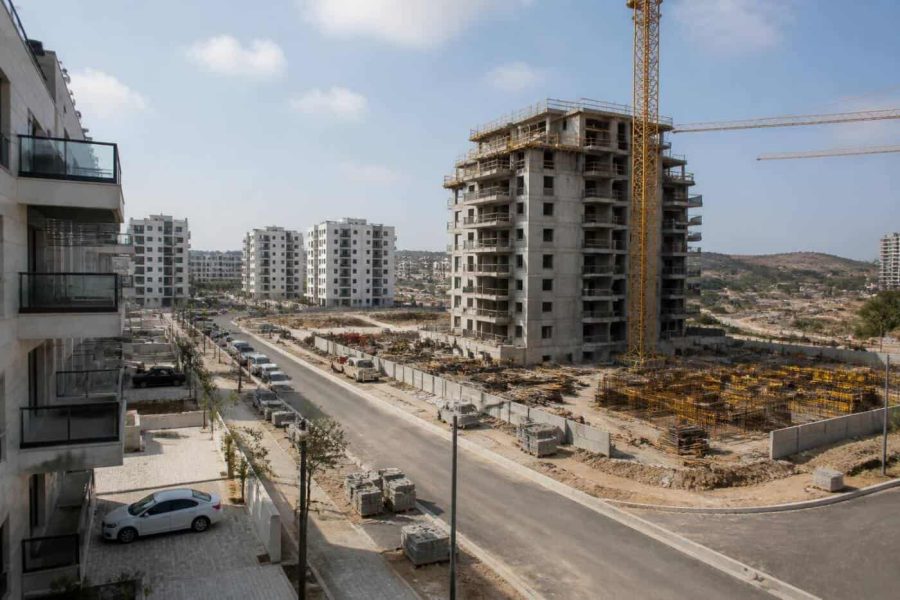
Many buyers focus on the apartment itself and ignore the larger neighborhood development around it. In Israel, this can create major problems later. A modern apartment inside a weak or oversupplied area may face slower resale demand, ongoing construction disruption, parking pressure, unfinished infrastructure, and weaker long-term pricing performance. Buyers comparing new projects should evaluate not only the building, but also transportation, density, future supply, municipal planning, developer execution, and neighborhood maturity before signing.
Why Neighborhood Evaluation Matters in Israeli New Projects
- Many Israeli projects are sold years before full neighborhood completion
- Infrastructure may still be under construction during occupancy
- Schools, parks, roads, and retail may exist only in municipal plans
- Thousands of additional apartments may still be scheduled nearby
- Construction activity can continue long after the buyer receives the apartment
The Difference Between a Building and a Development Area
A Good Apartment Does Not Automatically Mean a Good Investment
- A high-quality apartment can still underperform if the surrounding area lacks infrastructure
- Dense development can create traffic, parking, and congestion issues
- Future construction phases can block views or reduce privacy
- Investor-heavy neighborhoods may create unstable rental competition
Buyers Should Evaluate
- The full master plan for the area
- Total planned residential supply
- Transportation access
- Commercial infrastructure
- School and community planning
- Construction timeline for neighboring phases
What Buyers Should Check Before Buying Into a New Neighborhood
Transportation Infrastructure
- Check whether roads are already operational or still planned
- Verify public transportation access instead of relying on marketing material
- Some projects market future train or rail access that may take years longer than expected
- Traffic patterns often worsen significantly during neighborhood expansion phases
Commercial Infrastructure
- Retail and services may not open immediately after occupancy
- Early buyers sometimes live in partially operational neighborhoods
- Medical clinics, supermarkets, and restaurants may take years to stabilize
School Availability
- Families should verify actual school capacity, not only future municipal intentions
- Rapid population growth can pressure educational infrastructure
- Temporary school solutions are common in rapidly expanding areas
How Oversupply Affects New Projects
Inventory Volume Matters
- Large neighborhoods with thousands of units can create extended resale competition
- Rental inventory may exceed immediate demand in investor-heavy projects
- Developers sometimes continue discounting unsold inventory after early buyers purchased at higher prices
Warning Signs of Heavy Supply Pressure
- Large numbers of nearly identical towers
- Multiple simultaneous developer launches nearby
- High investor concentration
- Heavy reliance on future infrastructure promises
- Aggressive marketing campaigns targeting foreign buyers
Why Delivery Timelines Matter More Than Buyers Expect
Construction Delays Affect More Than Occupancy
- Mortgage approvals may need extension
- Rental arrangements may become more expensive
- Currency fluctuations can affect foreign buyers during long delays
- Future neighborhood phases may still be active after move-in
What Buyers Should Review
- The contractual delivery date
- Delay compensation clauses
- Developer extension rights
- Current construction progress
- Permit status for future phases
Comparing Established Areas With New Development Zones
Established Neighborhoods
- Infrastructure already exists
- Resale pricing is easier to benchmark
- Fewer surprises regarding density and traffic
- Usually lower uncertainty overall
- Less exposure to ongoing construction disruption
Large New Development Areas
- May offer lower entry pricing initially
- Often include newer buildings and planning standards
- Can take years to stabilize fully
- Infrastructure quality depends heavily on municipal execution
- Long-term supply remains a major factor
The Importance of Developer Execution Quality
Not All Developers Perform Equally
- Some developers consistently deliver close to schedule
- Others face repeated delays or quality disputes
- Construction quality can vary significantly even within the same price category
- Past projects often reveal long-term maintenance standards
What Buyers Should Research
- Previous completed projects
- Construction defect complaints
- Occupancy delays
- Financial stability
- Buyer litigation history
Pricing Issues Buyers Commonly Miss
Lower Prices May Reflect
- Longer timelines
- Weak transportation access
- Heavy future supply
- Smaller layouts
- Lower-quality specifications
Higher Prices May Reflect
- Limited land availability
- Better municipal infrastructure
- Lower density planning
- Established demand
- Reduced future construction competition
Questions Buyers Should Ask Before Signing
- How many additional units are planned nearby?
- What infrastructure already exists today?
- What percentage of buyers are investors?
- Which bank finances the project?
- Has the building permit been fully approved?
- How long will surrounding construction continue?
- What protections secure buyer payments?
- How large are expected maintenance fees?
- What transportation projects are actually funded versus only proposed?
- What comparable resale transactions already exist nearby?
Main Risks Buyers Underestimate
- Buying based on renderings instead of planning reality
- Ignoring future supply volume
- Assuming infrastructure timelines will match marketing schedules
- Underestimating construction disruption after occupancy
- Overpaying in heavily marketed investor areas
- Failing to review developer financial structure carefully
Why Foreign Buyers Need Additional Caution
- Remote buyers may not understand neighborhood scale properly
- Marketing campaigns abroad sometimes simplify risk factors
- Municipal planning terminology may be misunderstood
- Currency volatility can materially affect long construction timelines
- Rental demand assumptions are often overstated in promotional material
If you are comparing new projects in Israel and want help understanding the risks, locations, and pricing, contact Semerenko Group.
FAQ
Is buying in a new neighborhood in Israel risky?
- It can be, especially when infrastructure, transportation, and surrounding supply are still uncertain.
Why does future supply matter?
- Large future supply can increase resale competition and pressure rental pricing.
Should buyers rely on developer marketing materials?
- No. Buyers should independently verify permits, infrastructure, financing, and neighborhood planning.
Do all new neighborhoods stabilize quickly?
- No. Some areas take many years before infrastructure, retail, and traffic patterns stabilize.
Are established neighborhoods safer than new developments?
- Established neighborhoods usually carry less uncertainty, but pricing and building condition may differ significantly.
Sources Used
- Israel Government Data Portal — https://www.gov.il/en/departments/israel_land_authority
- Central Bureau of Statistics Israel — https://www.cbs.gov.il/en/Pages/default.aspx
- TheMarker Real Estate Coverage — https://www.themarker.com/realestate
- Globes Real Estate News — https://en.globes.co.il/en/real-estate
- Nefesh B’Nefesh Housing Resources — https://www.nbn.org.il/life-in-israel/community-and-housing/
- Israeli Ministry of Construction and Housing — https://www.gov.il/en/departments/topics/housing/govil-landing-page
- Ynet Real Estate — https://www.ynetnews.com/category/3083