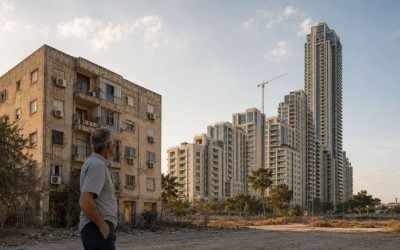
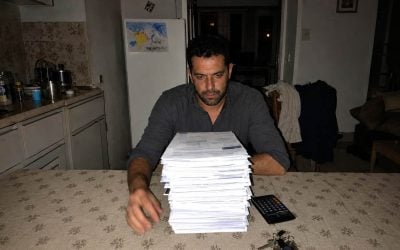
It is a sentiment echoing through Tel Aviv cafés and Jerusalem markets alike: despite a robust, innovative economy, too many Israelis feel they are running simply to stay in place. This prevailing opinion—that Israel ranks uncomfortably high in OECD poverty metrics—is not just street talk; it is a serious economic challenge backed by hard data concerning the “working poor.” While the Start-Up Nation drives global tech, a significant portion of the populace believes the rewards are not trickling down evenly, a view substantiated by recent comparisons to other developed nations.
June 2026 fact check: Use careful definitions: National Insurance poverty reports, OECD child-poverty comparisons, CBS labor-force data, and low-wage-worker claims measure different things. Do not mix unemployment, poverty, and working-poor figures without naming the source.
The State of the Wallet
- Public Sentiment vs. Hard Data: The widespread belief that Israel has one of the highest rates of “working poor” in the developed world is largely supported by OECD figures.
- The Child Poverty Gap: Israel’s child poverty rates are strikingly higher than the OECD average, often ranking second only to Costa Rica.
- The Wage Disconnect: Approximately one-quarter of the workforce earns low wages, contributing to the struggle against high housing and living costs.
- Relative Measures: The definition of poverty is relative to the median income, meaning Israel’s high-earning tech sector actually raises the bar, statistically increasing the poverty count.
A Job Is No Longer a Guarantee Against Poverty
For decades, employment was seen as the ultimate shield against financial hardship, but recent trends suggest that this armor is cracking for a significant portion of the workforce.
The core of the current public debate revolves around the “working poor”—individuals who hold steady jobs yet remain below the poverty line. According to recent labor studies cited in the analysis, approximately 25% of Israeli workers earn what is classified as low wages. This supports the public opinion that Israel is an outlier among OECD nations. While employment rates are generally healthy, the quality of that employment in terms of purchasing power relative to the cost of living—specifically housing—has created a fragile economic reality for many families.
Why Is Child Poverty So Stubbornly High?
When analyzing the demographic breakdown of economic strain, the data reveals a particularly concerning trend regarding the youngest members of society.
Data from Israel Hayom and Globes indicates that child poverty in Israel hovers around 28%, a figure that places the nation near the bottom of OECD rankings for child welfare, often trailing only Costa Rica. This statistic drives much of the urgency in the public discourse. It suggests that even when parents are working, the income generated is often insufficient to support larger families above the poverty line, necessitating a closer look at social welfare contributions which many critics argue are insufficient compared to European counterparts.
Understanding the “Relative” Nature of Israeli Poverty
To truly grasp the situation, one must look beyond absolute numbers and understand how international bodies measure economic wellbeing compared to the Israeli reality.
The OECD defines poverty as “relative”—specifically, income falling below half the median national income. Because Israel possesses a high-performing high-tech sector that drives up the median income, the statistical threshold for poverty is higher than in less developed economies. Consequently, Israel’s relative poverty rate stands at roughly 16-17%, significantly higher than the OECD average of 11-12%. This nuance helps explain why the country can be simultaneously wealthy on a macro level and statistically “poor” regarding inequality.
| Metric | Israel Statistics | OECD Average | Notes |
|---|---|---|---|
| Overall Poverty Rate | ~20–21% | ~11–12% | Sources indicate Israel is often 2nd highest in rankings. |
| Child Poverty Rate | ~28% | Significantly lower | One of the highest rates in the developed world. |
| Relative Poverty Gap | 16–17% | 11–12% | Based on income below half the national median. |
| Low-Wage Workers | ~25% | Varies | High share of workers in low-earning positions. |
Steps to Address the Gap
Addressing the cost of living crisis requires a multi-faceted approach:
- Revise Social Welfare: Policymakers must evaluate whether current social contributions match the reality of high housing costs.
- Boost Low-Tier Wages: Strategies are needed to increase productivity and wages in non-tech sectors to close the median income gap.
- Housing Market Reform: Reducing the cost of shelter is essential to moving the “working poor” above the poverty line.
Glossary
- Working Poor: Individuals who are employed but whose disposable income falls below the official poverty line.
- OECD: The Organisation for Economic Co-operation and Development, an international group of developed countries used for economic comparisons.
- Relative Poverty: A measure of poverty defined by the standard of living in a specific society (e.g., earning less than 50% of the median income) rather than an absolute monetary amount.
- Median Income: The amount that divides the income distribution into two equal groups, half having income above that amount, and half having income below that amount.
Methodology
This article analyzes a “People of Israel Opinion” text regarding economic disparities. The analysis cross-references claims made in the text with cited data from Globes, Israel Hayom, Davar, and OECD reports. The distinction between public opinion and statistical fact is maintained, with specific focus on the definitions of “relative poverty” and “working poor.”
Frequently Asked Questions
Is Israel really the poorest country in the OECD?
No, Israel is not the poorest in terms of GDP or overall wealth. However, it ranks high in relative poverty rates, meaning the gap between the wealthy and the poor is wider than in most other OECD countries.
What does it mean that the poverty is “relative”?
Relative poverty is measured against the country’s own median income. Because Israel has a successful high-tech sector that raises the average wage, the “poverty line” moves up. If you earn a moderate wage but the national median is high, you might statistically fall into poverty in Israel, whereas the same wage might be considered adequate elsewhere.
Why is the term “working poor” significant in this debate?
It highlights that unemployment is not the primary driver of poverty in Israel. The issue is low wages relative to the high cost of living (especially housing), meaning that getting a job is not always enough to escape economic hardship.
Are there specific demographics affecting these numbers?
Yes. High birth rates in certain sectors of Israeli society contribute to larger family sizes. When a single or dual income is stretched across a larger family, the likelihood of falling below the per-capita poverty line increases, driving up the child poverty statistics.
Moving Forward
The data confirms that the Israeli public’s concern is well-founded. While the nation serves as a global beacon for innovation and resilience, the internal economic structure requires recalibration. Ensuring that the fruits of the “Start-Up Nation” reach the service and labor sectors is the critical next step in ensuring national solidarity and economic stability.
Key Takeaways
- Opinion Verified: The public sentiment that Israel has a high rate of “working poor” is supported by OECD data.
- Structural Issue: High poverty rates persist despite low unemployment, indicating a wage-to-cost-of-living imbalance.
- Child Vulnerability: Child poverty remains a specific area where Israel lags significantly behind other developed nations.
- Metric Matters: High inequality is partly a statistical result of a rapidly growing median income driven by the tech sector.
Why We Care
Understanding the nuance between a thriving national economy and the struggle of the individual worker is vital for anyone invested in Israel’s future. It highlights that Israel’s challenges are not just geopolitical but internal and structural. Addressing the “working poor” phenomenon is essential for maintaining the social cohesion that is the bedrock of Israeli resilience.
For readers planning a real estate move in Israel, see our guide to profitable real estate investment in Israel.
Considering a purchase, sale, rental or investment in Israel? Speak with the Semerenko Group team for personal guidance.