Amid ongoing security challenges in Northern Israel, the coastal city of Nahariya is demonstrating remarkable resilience and forward-thinking ambition. The Northern District Planning and Building Committee has officially greenlit a comprehensive urban renewal master plan, establishing a statutory framework designed to modernize the city’s aging infrastructure, fortify homes against threats, and dramatically expand the housing supply for future generations.
Strategic Blueprint for Northern Growth
- Historic Shift: Replaces the patchwork TAMA 38 mechanism with a city-wide statutory framework.
- Massive Capacity: Sets a planning horizon for the potential addition of approximately 30,000 housing units.
- Demographic Focus: Mandates that 20% of new units be small apartments to support young couples.
- Local Autonomy: Empowers the Local Committee to fast-track permits without District-level bureaucracy.
A New Era of Statutory Planning replaces TAMA 38
The approval of this plan marks a pivotal shift from ad-hoc renovations to a holistic urban strategy. For years, Israeli cities relied on TAMA 38, a national outline plan intended to reinforce individual buildings against earthquakes. However, this often resulted in piecemeal development without adequate infrastructure upgrades. This new master plan, promoted by the Governmental Authority for Urban Renewal in partnership with the Nahariya Municipality, covers the entire jurisdiction of the city.
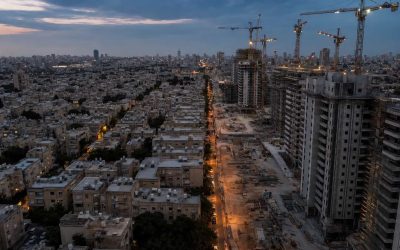
By moving away from the building-by-building approach, Nahariya is adopting a “textural” renewal strategy. The plan dictates a mix of building types, preserving the city’s unique connection to the sea while allowing for high-rise construction in designated zones where infrastructure can support it. The text explicitly outlines a planning framework capable of adding approximately 30,000 housing units, alongside the renewal of thousands of existing homes through reinforcement and thickening tracks. This ambitious volume signals a confident bet on the city’s long-term demographic expansion.
Fortifying the North: Security Through Construction
Development in Northern Israel is not merely an economic issue; it is a matter of national security and survival. Boaz Yosef, Chairman of the Northern District Committee, emphasized that this plan is critical for the “renewing Nahariya,” specifically highlighting the dual necessity of increasing housing stock and reinforcing structures against earthquakes and other threats. In the Israeli context, urban renewal is synonymous with the addition of reinforced security rooms (MAMADs), which are vital for residents living within rocket range of the northern border.
Dikla Adi Peretz, the District Planner, noted the timing of this approval is significant. The plan provides the legal mechanism to issue permits for strengthening buildings immediately. By streamlining these approvals, the state is effectively accelerating the fortification of the civilian home front. This initiative proves that despite regional tensions, the machinery of Israeli civil planning continues to function with an eye toward safety and permanence.
Decentralization: Cutting Red Tape for Rapid Development
One of the most pro-business and pro-resident aspects of this plan is the transfer of authority to the local level. Guri Nadler, a senior director at the Governmental Authority for Urban Renewal, described the plan as a tool that “creates certainty and organizes the renewal processes.” Crucially, it empowers the Nahariya Local Planning Committee to approve “Pinui-Binui” (evacuation and construction) projects independently.
Previously, such large-scale projects required approval from the District Committee—a bottleneck that often delayed construction for years. By removing this layer of bureaucracy, the plan creates a more efficient timeline for developers and faster relief for residents living in dilapidated structures. This deregulation is expected to incentivize private investment in the Western Galilee, turning Nahariya into a model for how peripheral cities can manage their own growth while maintaining high standards of public space and infrastructure.
Comparison: The Old TAMA 38 vs. The New Master Plan
| Feature | TAMA 38 (Old Model) | Nahariya Urban Renewal Master Plan |
|---|---|---|
| Scope | Single building focus. | City-wide, comprehensive jurisdiction. |
| Authority | Often required District approval for variances. | Decentralized; Local Committee has authority. |
| Infrastructure | Often ignored surrounding public needs. | Includes modern infrastructure and public spaces. |
| Housing Mix | Standardized units. | Mandates 20% small units for young households. |
| Strategic Goal | Earthquake reinforcement only. | Holistic growth, security fortification, and view preservation. |
Actionable Checklist for Residents and Investors
- Verify Property Status: Check if your building falls under the new “strengthening and thickening” tracks or the “demolition and reconstruction” zones.
- Monitor Local Agendas: Since the Local Committee now holds approval power, attend municipal planning meetings to track specific neighborhood projects.
- Assess Infrastructure Impact: Look for project proposals that include upgrades to public spaces and shading, as mandated by the new quality standards.
Glossary of Terms
- TAMA 38: A National Outline Plan in Israel originally designed to strengthen existing buildings against earthquakes, now being phased out in favor of more comprehensive municipal plans.
- Pinui-Binui: Hebrew for “Evacuation-Construction,” a process where old buildings are demolished and replaced with new, larger residential complexes, with original residents receiving new apartments.
- Statutory Framework: A legally binding planning document that sets the rules for land use, allowing developers to know exactly what can be built without seeking exceptional variances.
- Textural Construction: Building design that integrates with the existing urban fabric and height of the neighborhood, rather than imposing isolated towers.
Methodology
This report is based on the official announcement regarding the Northern District Planning and Building Committee’s approval of the Nahariya urban renewal plan. Data regarding housing unit potential, planning objectives, and regulatory shifts were derived directly from statements by the Planning Administration and the Governmental Authority for Urban Renewal.
Frequently Asked Questions
How does this plan improve security for Nahariya residents?
The plan facilitates the rapid reinforcement of older buildings. In Israel, urban renewal involves adding reinforced security rooms (MAMADs) to existing apartments or building new compliant towers. By cutting bureaucratic red tape, the plan accelerates the timeline for providing residents with these essential protective spaces.
What is the significance of the 30,000 housing unit figure?
The plan creates a planning framework (zoning capacity) that allows for the addition of approximately 30,000 units over time. This figure represents the long-term growth potential of the city, transforming it into a major metropolitan hub in the North, rather than just a plan for immediate construction.
Who is the target demographic for the new housing?
The plan explicitly requires that at least 20% of the new units be “small apartments.” This policy is designed to keep the city accessible to young couples, smaller households, and arguably elderly residents looking to downsize, ensuring a diverse and vibrant population mix.
Will this plan destroy the view of the sea?
No. The planners, including Studio Mia and Sher-Shmueli Architects, prioritized the city’s unique connection to the sea. The plan emphasizes “textural” construction and carefully manages high-rise locations to preserve landscape qualities and the coastal atmosphere.
Wrap-up
Nahariya’s approval of this master plan is a declaration of permanence. By slashing bureaucracy and prioritizing fortified, diverse housing, the city is positioning itself not just to survive current challenges, but to thrive as a northern powerhouse. For developers and residents alike, the message is clear: the Western Galilee is open for business, and the foundations for the next generation are being poured today.
Final Summary
- Strategic Autonomy: Nahariya’s Local Committee gains independence to approve major projects, reducing delays.
- Massive Potential: The framework allows for a theoretical expansion of 30,000 units, doubling down on Northern settlement.
- Security Priority: Accelerates the creation of protected spaces (safe rooms) in older neighborhoods.
- Balanced Growth: Mandates a mix of apartment sizes to retain young families while preserving coastal views.
Why We Care
This development is a testament to the Zionist spirit of building under fire. While international headlines often focus on conflict in the North, the State of Israel is busy planning decades into the future. By investing in massive infrastructure and housing projects in Nahariya—a city within range of hostile threats—Israel is signaling that it will not retreat from its periphery. Instead, it is strengthening its hold on the land, improving the quality of life for its citizens, and ensuring that the Northern frontier remains vibrant, populated, and secure. This is sovereignty in action.
If you are planning to buy property in Israel, explore current homes for sale and our buyer guidance: browse Israeli homes for sale.
Thinking about your next move in Israeli real estate? Tell us what you are looking for and the Semerenko Group team will help.