To understand the future of Israeli real estate, you have to stop thinking of it as one single market. It’s a collection of fiercely independent mini-markets, each with its own story of supply and demand. What’s happening in Tel Aviv has little to do with what’s happening in the Negev.
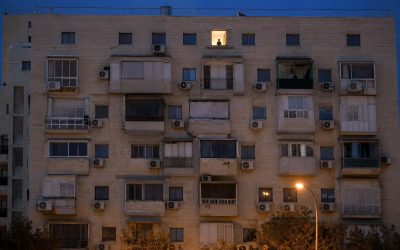
The Center (Gush Dan): This is the beating heart of the Israeli economy, encompassing Tel Aviv and its surrounding cities. Here, demand is relentless and seemingly infinite, fueled by the high-tech industry, finance, and culture. Supply, however, is intensely limited. There is very little open land left to build on. As a result, much of the new housing comes through urban renewal projects like Pinui Binui (evacuate and build) and the older TAMA 38 track (a national plan to strengthen old buildings against earthquakes by adding new floors). Note: TAMA 38 stopped accepting new applications in most areas from August 2024 and is being replaced by local urban-renewal plans, though projects already in the pipeline continue. These projects are slow and complex. The outlook here is for prices to continue to be driven ever higher by this severe imbalance.
Jerusalem: The capital’s market is unique. Demand is driven not just by locals but also by a huge international market of religious and diaspora Jews. This creates a constant floor for prices, especially in desirable neighborhoods. Supply is constrained by difficult topography (hills) and complex historical and political considerations. Like Tel Aviv, significant new supply is difficult to bring to market, keeping prices firm.
The North (Haifa and the Galilee): This region has historically been more affordable. Demand is solid, driven by a major port, universities, and industrial centers in Haifa. However, supply is more plentiful than in the center. There is more available land for new construction. The outlook is for steady, but more moderate, price growth compared to the frenzy of Tel Aviv. Government investment in infrastructure, like high-speed rail, could be a major catalyst for future demand.
The South (Be’er Sheva and the Negev): This is the frontier. For decades, the south has been seen as a place of vast potential. Demand is growing, thanks to a major university, a burgeoning tech park, and the relocation of large IDF army bases to the area. Supply is the least constrained here; there is plenty of land. The government is actively promoting development. This makes the south a prime area for investors looking for lower entry prices and potential for long-term growth as the region develops.
Too Long; Didn’t Read
-
The Center (Tel Aviv area): Unrelenting demand and extremely limited supply point to continued high prices.
-
Jerusalem: Strong local and international demand coupled with difficult building conditions keep the market tight.
-
The North (Haifa): A more balanced market with steadier supply and more moderate price growth potential.
-
The South (Be’er Sheva): Growing demand and plentiful land for new supply make it a key area for long-term investment.
Find out which regional story matches your investment goals. DM me at Semerenko Group.
For investment strategy, read our guide to profitable real estate investment in Israel.
Have a specific requirement? Send us your details and the Semerenko Group team will get back to you.