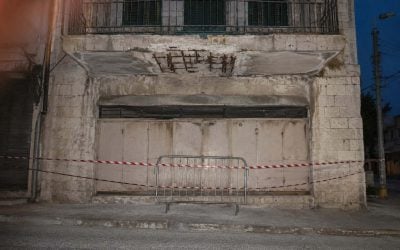
Tel Aviv’s residential landscape is set for another major upgrade as the municipality has, according to reports, approved a significant demolition and reconstruction initiative in the city’s affluent northern sector. This development underscores the resilience of the Israeli property market and the continued drive to modernize urban infrastructure, turning aging structures into high-capacity, fortified living spaces.
Urban Renaissance in Numbers
- Location: A prime renewal project approved for 7 Yehuda Gur Street.
- Capacity Increase: Housing units will double from 11 aging apartments to 22 modern residences.
- Financial Scope: Projected project revenue stands at 78 million NIS against estimated costs of 63 million NIS.
- Timeline: Demolition is slated for late 2026, with final occupancy targeted for the fourth quarter of 2028.
Transforming Yehuda Gur Street
The approval of the building permit for the site at 7 Yehuda Gur Street represents a pivotal moment in Tel Aviv’s urban renewal strategy, specifically utilizing the TAMA 38/2 framework to maximize land efficiency in high-demand zones. This specific model moves beyond simple renovation, opting instead for the complete demolition of the existing infrastructure to pave the way for modern engineering and safety standards.
Under the plan spearheaded by the developer “Anshei HaIr,” the current structure, which houses 11 apartments, will be razed. In its place, a sophisticated building containing 22 units will rise, effectively creating a 100% increase in housing rights for the plot. Half of these new units are designated for the original apartment owners—providing them with a significant upgrade in asset value—while the remaining 11 units will be marketed to the general public, catering to the intense demand for North Tel Aviv real estate.
What Do the Financial Projections Reveal About Market Health?
The release of the project’s financial estimates offers a transparent look into the continued viability and profitability of construction ventures within Israel’s central economic hubs, even amidst broader global economic fluctuations. The developers have projected a robust revenue stream that signals strong confidence in future property values.
According to the report, the project is expected to generate approximately 78 million NIS (excluding VAT). With construction and operational costs estimated at roughly 63 million NIS, the venture demonstrates a healthy margin that justifies the complex logistics of urban renewal. Furthermore, the receipt of this building permit is the final key required to unlock bank financing, allowing the developers to activate credit lines and proceed with the heavy lifting of project execution.
Strategic Timelines and Industry Confidence
The operational schedule outlined by the developers reflects a disciplined approach to construction, aiming to deliver finished luxury products to the market within a tight three-year window from the commencement of demolition works. This timeline suggests a stabilizing supply chain and labor market within the Israeli construction sector.
Current assessments place the demolition of the old building in the second half of 2026. If the schedule holds, the new residents will receive their keys in the fourth quarter of 2028. Ron Chen, CEO and founder of Anshei HaIr, noted that securing this permit validates the company’s strategy of focusing on high-demand areas. He emphasized that the company has observed strong demand trends and sales growth throughout 2025, reinforcing the sentiment that Israelis are continuing to invest deeply in their homeland.
| Metric | Current Status (Old Building) | Projected Status (New Project) |
| Housing Units | 11 Apartments | 22 Apartments |
| Project Type | Aging Residential Structure | TAMA 38/2 (Demolition & Rebuild) |
| Financial Outlook | Not provided | ~78 Million NIS Revenue |
| Est. Completion | Currently Occupied | Q4 2028 |
| Developer Strategy | Not provided | Focus on High-Demand Urban Cores |
Blueprints for Urban Renewal
1. Regulatory Approval: The acquisition of a building permit is the primary threshold, validating the architectural plans against municipal zoning laws.
2. Financial Activation: Permits trigger the release of bank accompaniment (financial backing), moving the project from paper to funded reality.
3. Owner-Developer Agreement: Success relies on fulfilling “suspensive conditions” in contracts signed with original landowners, ensuring all parties are legally protected before demolition.
Glossary
- TAMA 38/2: An Israeli National Outline Plan allowing for the demolition of old buildings and the reconstruction of new, earthquake-resistant structures with added floors and units.
- Anshei HaIr: A real estate development company specializing in urban renewal projects within Tel Aviv; literally translates to “People of the City.”
- Suspensive Conditions: Clauses in a contract (specifically real estate) stating that the deal is only valid once specific criteria, such as receiving a government permit, are met.
- Bank Accompaniment: A financial arrangement where a bank provides credit and oversight for a construction project, securing the funds for both the developer and the buyers.
Methodology
This article is based on verified reports regarding the “Anshei HaIr” development company and their disclosure of receiving a building permit for the Yehuda Gur 7 project. Financial figures (revenues and costs) and timelines are derived directly from the developer’s projections as released to the press.
Frequently Asked Questions
What is the difference between TAMA 38/1 and TAMA 38/2?
While both are urban renewal initiatives intended to strengthen buildings against earthquakes and rocket fire, TAMA 38/1 typically involves reinforcing and adding floors to an existing structure. TAMA 38/2, which is being utilized in the Yehuda Gur project, involves demolishing the old building entirely and constructing a brand new, modern edifice from the ground up.
Who benefits from the new apartments?
The allocation is generally split. In this specific project, the 11 original owners of the apartments in the old building will receive new apartments in the completed tower (often larger and safer). The remaining 11 new units will be sold by the developer on the free market to cover costs and generate profit.
Is it safe to invest in projects that haven’t broken ground yet?
In Israel, strict laws protect buyers. The “Bank Accompaniment” mentioned in the article is a crucial safety mechanism. It ensures that money paid by buyers goes into a closed account managed by the bank, which is only released to the developer as construction milestones are met, significantly reducing financial risk.
Why is the timeline set for 2028?
High-quality construction takes time. The timeline accounts for the eviction of current residents, the complex demolition of the existing structure in a dense urban area, and the construction of a high-standard residential building, including underground parking and modern amenities.
Wrapping Up
The approval of the Yehuda Gur 7 project is more than a local construction update; it is a signal of Tel Aviv’s unyielding growth. For investors and residents alike, keeping an eye on the “Pinui Binui” (Evacuation and Construction) space in North Tel Aviv offers insight into where the city’s value is heading next.
Key Takeaways
- Capacity Doubled: The project replaces 11 old units with 22 new ones, optimizing scarce land.
- Economic Vitality: A 78 million NIS revenue projection highlights the lucrative nature of Tel Aviv real estate.
- Future Ready: Completion is set for 2028, reflecting long-term faith in the security and stability of the region.
Why We Care
This story matters because it exemplifies the Zionist ethos of constant building and improvement. In the face of external challenges, Israel continues to develop its internal infrastructure, ensuring that its citizens have safe, modern, and fortified homes. The doubling of housing units in a central location is a practical solution to the housing crisis and a testament to the nation’s unwavering commitment to growth and future generations.
If you are buying property in Israel, see buying property in Israel.
Want tailored help with buying, selling, renting, or financing property in Israel? Contact the Semerenko Group team and we will guide you through the next step.