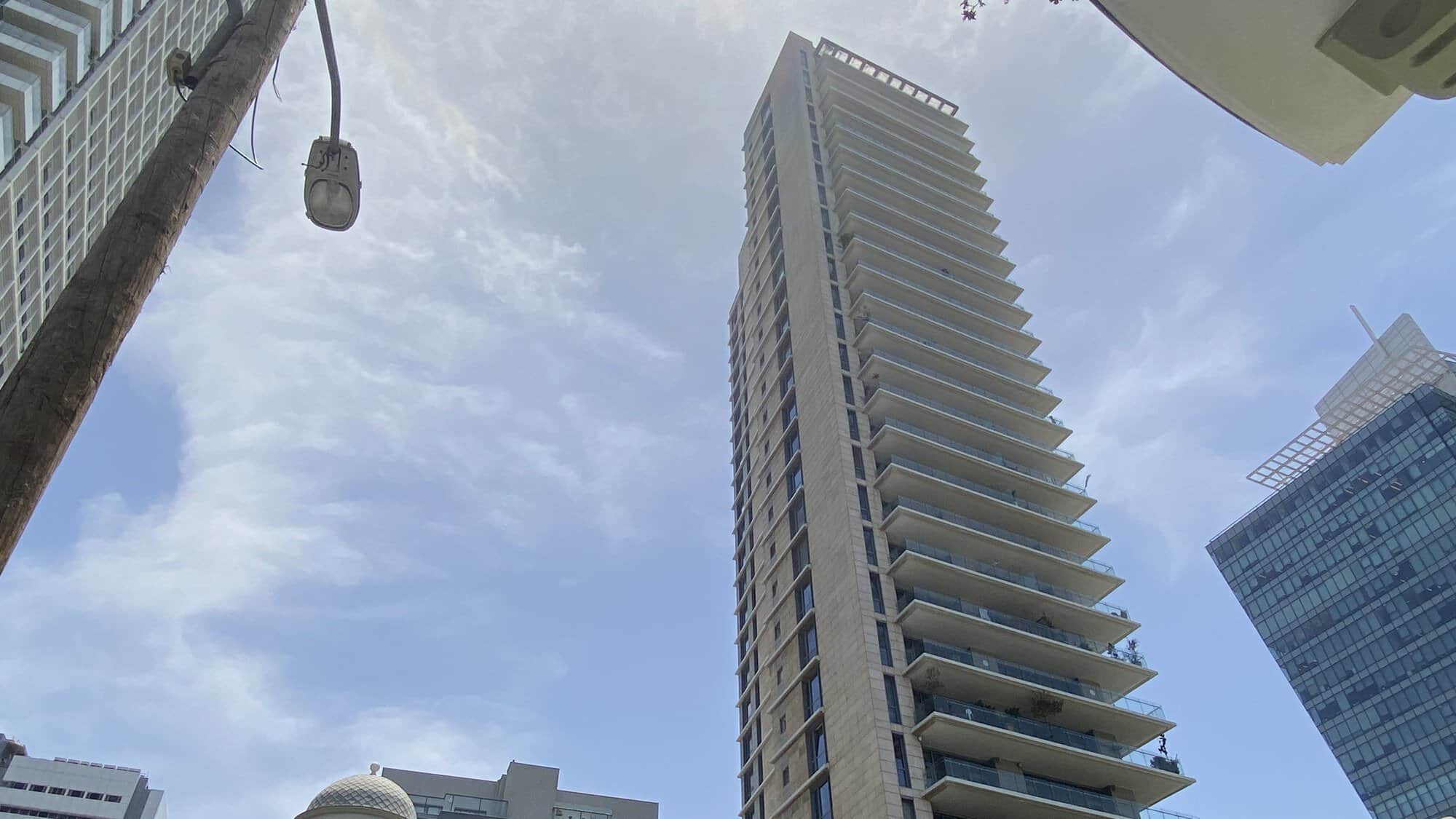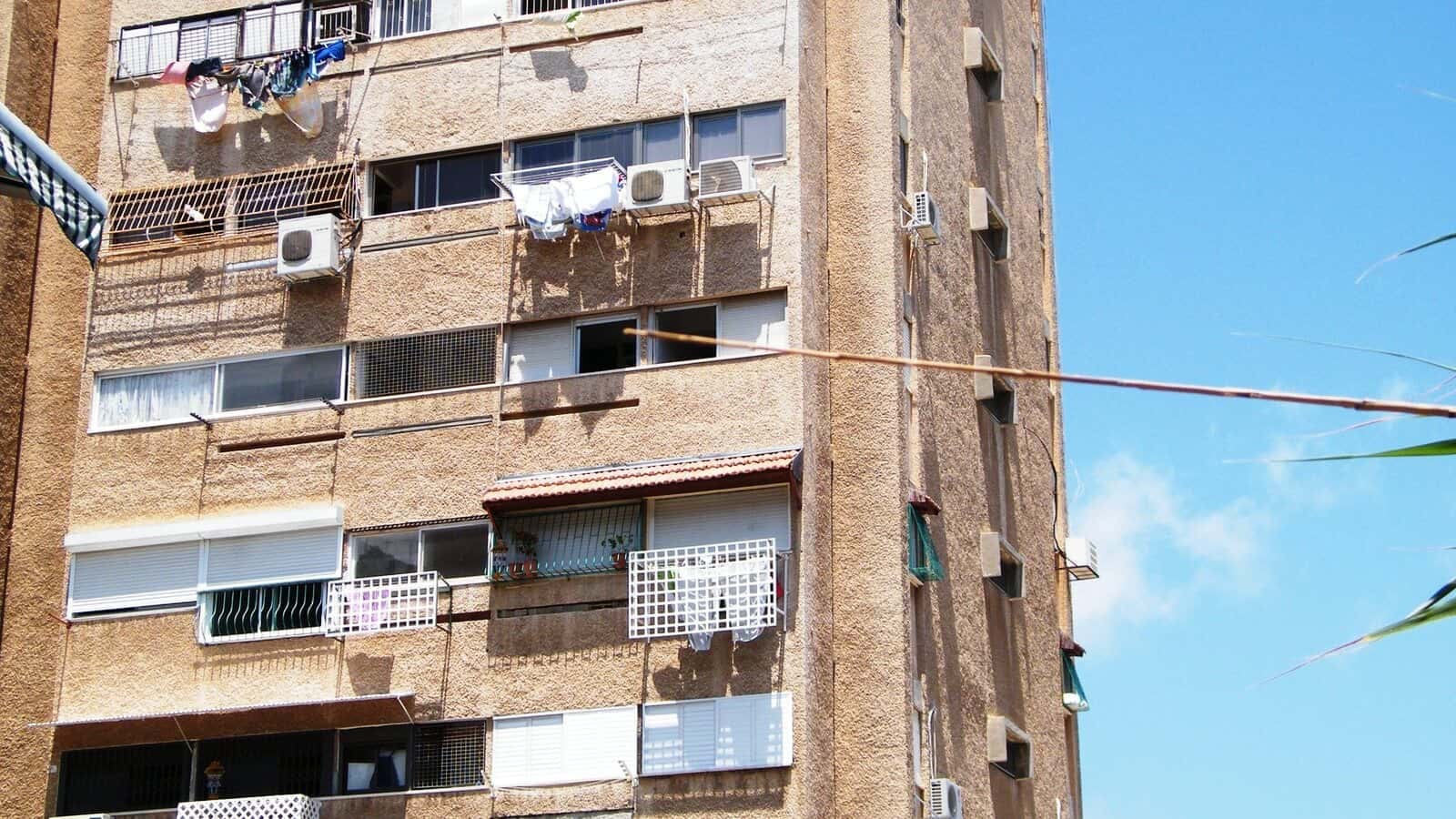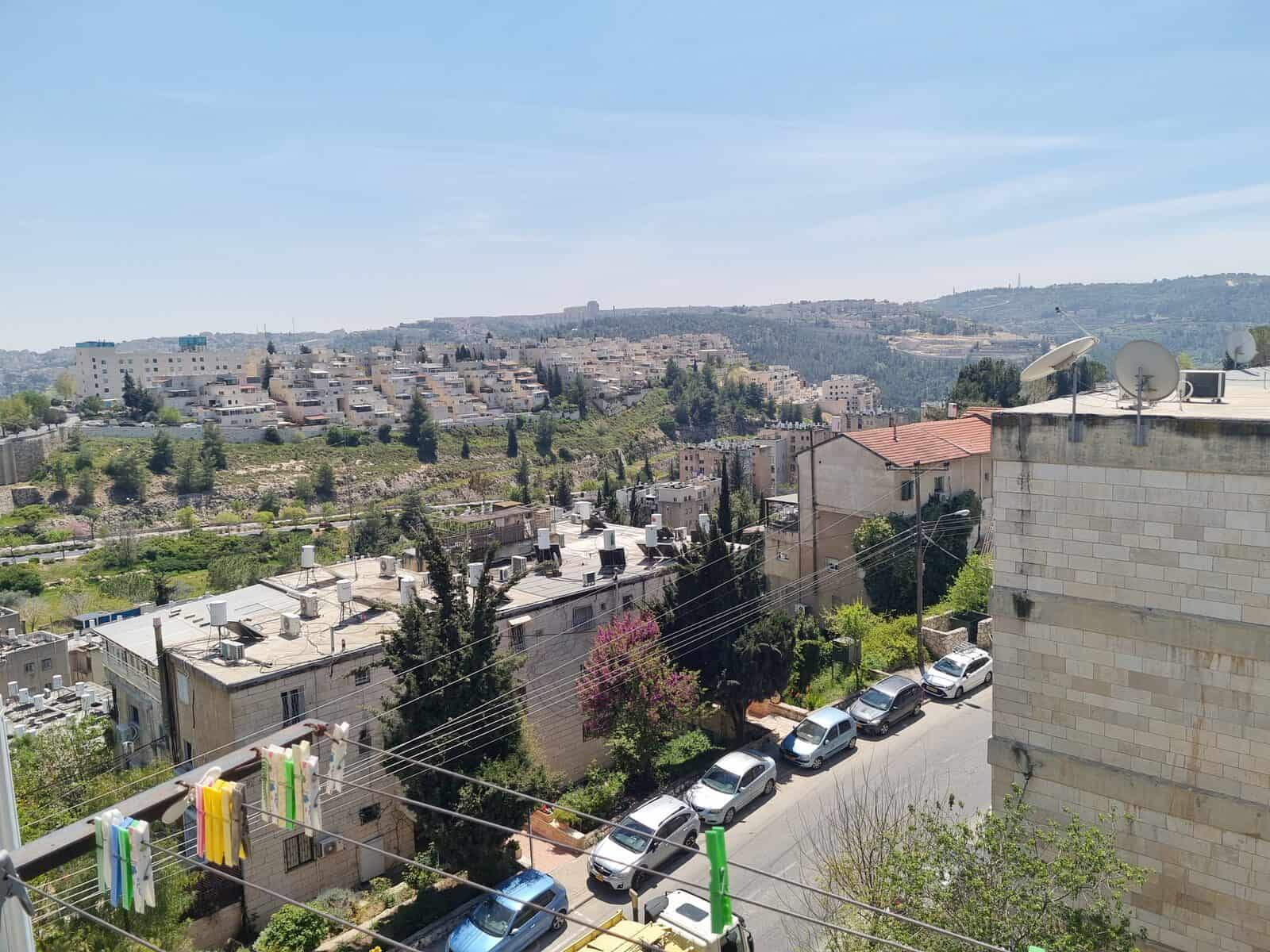
Israel’s housing market is split, not broken. Prices are softer and unsold new stock is large. The table above shows recorded sale prices where enough deals exist, and asking prices, in nine cities. For the wider development picture, see Israel’s infrastructure and housing plans. For the broader picture, see the Israel housing market overview.
What are the main housing numbers in June 2026?
Prices are down, unsold new stock is high and borrowing and building continue. Each figure below names its source and period.
- Apartment prices softened in March-April 2026 and were lower than a year earlier, according to CBS data reported by Nadlan Center.
- New apartment prices fell over the year, but government-subsidized deals are part of new apartment transactions in the measured period, so the headline number needs care.
- About 84,000 new apartments were still unsold at the end of April 2026, equal to 29.5 months of supply, according to CBS data summarized by Klikat Nadlan.
- Mortgage borrowing jumped in May 2026 compared with April, according to Bank of Israel data reported by Mako.
- Building starts reached 76,470 homes in the 12 months from April 2025 to March 2026, according to CBS data summarized by Nadlan Center.
- CBS reported 76,470 housing starts in April 2025-March 2026.
- CBS reported 211,710 homes under active construction at the end of March 2026. That is a snapshot of work in progress, not a forecast of when those homes will be completed.
- My calculation from the same data: demolition and rebuild removed 5,790 old homes while 76,470 new homes started. That is about 7.6 old homes gone for every 100 homes started.
Is Israel in a housing crash or a buyer’s market?
It is a buyer’s market in some places, not a national collapse. A collapse means forced selling, frozen credit and panic across the country. The current data do not show that.
A buyer’s market means something else: more supply, slower sales, more flexible sellers and more need for clean financing. That is much closer to the truth in mid 2026.
The strongest buyer signal is the unsold new stock. A market with 84,000 unsold new apartments at the end of April 2026 (CBS data via Klikat Nadlan) gives serious buyers more choice. It also pushes developers to offer better payment terms, upgrades, discounts or financing help.
That does not mean every seller is desperate. Tel Aviv, Jerusalem, the center, new projects, subsidized projects, old apartments and urban renewal apartments move differently. The market is many small markets under one national headline.
Are Israeli home prices falling?
Yes, but not enough to call it a crash. The national apartment price index fell in March-April 2026. Compared with the same period a year earlier, prices were also lower. That is real weakness, not a wipeout.
The sharper signal is in new apartments. New apartment prices were down over the year. But there is a catch: part of the new apartment deals in the measured period were government-supported. Subsidized deals can pull the average down even when normal market deals move differently.
Read this as leverage, not certainty. The seller side is weaker than before. It does not mean every project should be discounted by the same amount. For city-level prices, see the table above.
A simple test for buyers
If the developer says prices are rising, ask for the last six months of actual signed deals in that project or nearby ones.
If the seller says there is no discount, ask why so many new apartments are still unsold nationally.
If the agent says everyone is buying again, ask whether that buyer has bank approval or is only touring.
Why are mortgages rising if prices are falling?
Because buyers did not disappear. Some waited, some came back after the holidays, some are using developer financing offers and some still need homes. Mortgage borrowing rose sharply in May 2026 compared with April, according to Bank of Israel data reported by Mako.
Falling prices alone do not define a market. Credit decides how many buyers can still act.
The Bank of Israel lowered the interest rate on May 25, 2026. It said the future path depends on inflation, economic activity, geopolitical uncertainty and fiscal developments. Buyers still live in an interest-rate market, not a cheap-money market.
| Signal | What it means for a buyer |
|---|---|
| Prices are softer | You can negotiate harder |
| Mortgage borrowing is high | Other buyers are still active |
| Unsold new stock is large | Developers may be more flexible |
| Interest is still meaningful | Monthly payment matters more than the sticker price |
| Subsidized deals affect the data | Do not compare every private deal to the national average |
The mistake is to look only at the apartment price. A lower price with bad financing can be worse than a slightly higher price with cleaner terms.
Is Israel building enough homes?
Not yet, because construction is active but the pipeline is slow. The 12-month construction number looks strong: 76,470 housing starts from April 2025 to March 2026, according to CBS data summarized by Nadlan Center. Completions were lower, at 62,140.
The CBS release reports housing starts and completions separately; they should be compared only with matching reference periods.
A start is not a finished apartment. It is a project entering the pipe. The same CBS data showed 211,710 homes under active construction at the end of March 2026.
The homes under construction are at different stages. A ratio of that stock to an annual completion count is not an average construction time or a delivery forecast for a particular project.
Is urban renewal fixing the shortage?
Partly. Urban renewal is now one of the main engines of Israeli housing supply, but it works mostly in the center.
In the 12 months from April 2025 to March 2026, demolition and rebuild projects accounted for 17,820 housing starts, according to the same data. Most of them were in the Tel Aviv and Central districts.
My calculation: about 13,953 demolition and rebuild starts were in Tel Aviv and the center together. That is most of this type of urban renewal construction.
Urban renewal is meant to solve several problems at once: old buildings, earthquake risk, missing protected rooms, poor land use and the housing shortage. If most activity happens where land values are already high, the weaker areas stay stuck.
The State Comptroller’s urban renewal report showed the same pattern. As of July 2025, there were 814 evacuation and reconstruction projects with 479,772 proposed housing units. But 472 of those projects, were in Tel Aviv and the Central district.
The periphery problem is not that nobody writes plans. Plans do not become homes fast enough.
Is government money reaching urban renewal?
Not enough of it. The State Comptroller found that framework agreements with local authorities were not turning into enough used money.
One key finding: as of August 2025, only part of the allocations under the 2023 framework agreements for 12 local authorities had been transferred.
In plain words, a large part of the money sat unused.
That is a working failure, not a messaging failure. Urban renewal needs planning, consent, permits, temporary housing, bank financing, contractors and city infrastructure. If the money does not move through the system, the headline budget does not matter.
What should a buyer do before making an offer?
Get proof of funding first, then check the deal step by step. A serious buyer has leverage now, but only with discipline.
- Get written mortgage approval or a serious bank check before negotiating.
- Ask for recent signed deal prices, not asking prices.
- Compare the same thing: same neighborhood, room count, floor, parking, balcony, mamad, delivery date and registration status.
- In a new project, ask how many units are unsold in that building and in the full project.
- Ask what part of the deal is a real price cut and what part is only payment timing.
- Check whether the price is linked to the construction input index.
- Check the delivery date and what compensation applies if delivery is late.
- A seller may not collect more than 7% of the apartment price unless the buyer’s payments are secured in one of the ways recognized by the Sale Law. The Housing Ministry accepts complaints about sellers who breach that requirement.
- Use your own lawyer, not the developer’s lawyer, before signing.
- If the seller refuses to give basic documents, treat that as information.
The best buyer in this market is not the loudest negotiator. It is the buyer who can prove funding, read the contract and walk away.
What do the key housing terms mean?
These seven terms explain most of the data on this page.
- Months of supply: how long it would take to sell all unsold homes at the current sales pace.
- Housing starts: homes where construction began. They are not finished homes.
- Completions: homes finished enough to be counted as completed supply.
- Urban renewal: replacing or strengthening old buildings, usually by adding more apartments.
- Demolition and rebuild: old homes are removed, then a larger new project is built.
- Construction input index: an index that can raise the final cost if the contract links payments to building costs.
- Sale Law protection: legal protection for buyer payments in a new apartment purchase.
What else should a buyer confirm before acting?
Confirm the newest CBS price index, the exact local deal prices and your mortgage approval. Then check the project’s unsold stock, the building permit, the Sale Law guarantee, the delivery date, the linkage clause and the real monthly payment after interest.
The next step is simple. Pick the exact city and property type, then compare real signed deals against current asking prices. National headlines give the direction. The deal file tells you whether to buy.
Frequently asked questions
Are Israeli home prices falling?
Yes, nationally, but mildly. Apartment prices were down in March-April 2026 and lower than a year earlier. New apartment prices were down over the year, but subsidized transactions affect that number.
Why are mortgages rising if prices are falling?
Because buyers did not disappear. Some waited, some came back after the holidays, some are using developer financing offers and some still need homes.
Is this a crash?
No. The data shows a cooler market with more buyer leverage. Mortgage borrowing is still active, construction is still moving and prices are not falling evenly.
Do developers have too much inventory?
They have a lot. About 84,000 new apartments were unsold at the end of April 2026, equal to 29.5 months of supply, according to CBS data via Klikat Nadlan. That gives buyers more power, especially in projects with many unsold units.
Is urban renewal solving the shortage?
Partly. It adds many homes, but the activity is concentrated in Tel Aviv and the center. Weaker areas need projects that reach permits, financing, construction and occupancy.
Should a buyer wait?
Wait only if waiting improves your position. If your rent is rising, your family needs certainty and you find a project with real discount power and safe legal terms, waiting for a national collapse can cost more than it saves. If the numbers do not work, do not buy just because a seller offers flexible payments.