The full guide to yields, purchase tax and financing for investors is here; this page answers one question: why a luxury Tel Aviv flat can earn less than a plain one. For current prices and rents by city, see average rent and costs in Israel.
Why does a luxury Tel Aviv investment often earn less than it looks?
Often the rent premium does not cover the extra costs that come with the luxury. The gap between gross yield (what the brochure shows) and net yield (what reaches your bank account). Tel Aviv yields start low, so there is little room for error: every shekel of running cost cuts straight into the return. If you are weighing real estate in Israel at the top of the market, this is the first thing to check.
Tel Aviv projects and homes





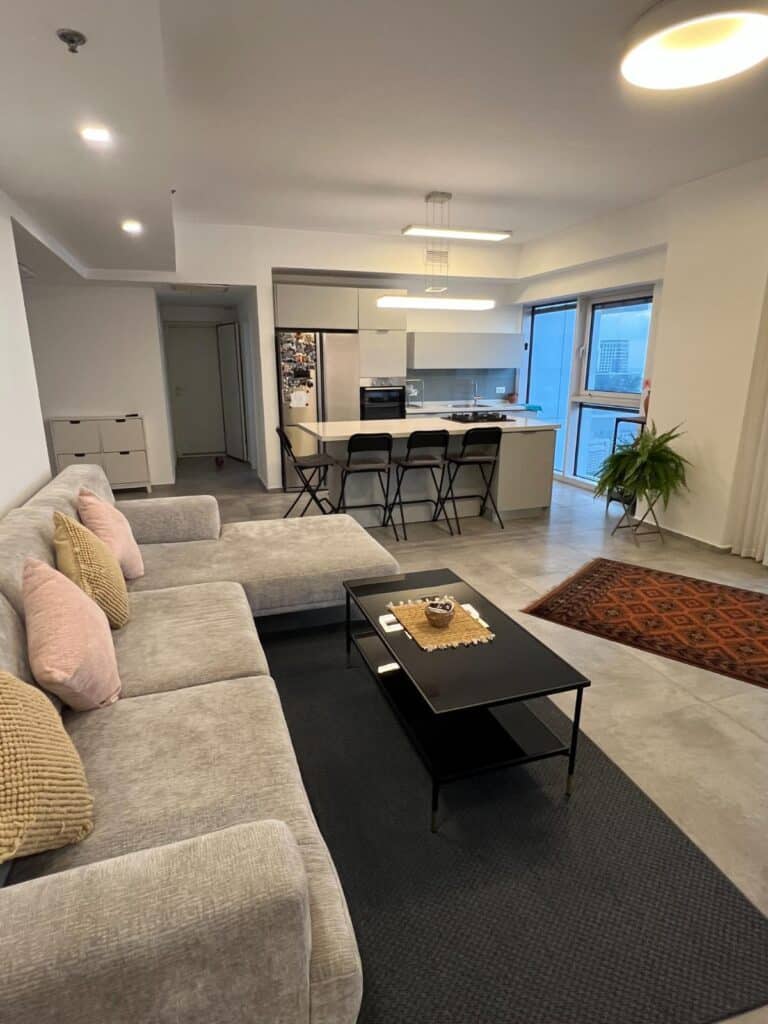
For Rent
40th-Floor Apartment for Rent in Midtown Towers, Tel Aviv
Tel Aviv
112 m² · Floor 40
View PropertyShort-term rental
central jaffa family summer house
ger tsedek 6, Florentin, Tel Aviv
160 m² · Ground Floor
View Property
For Sale
₪6,650,000
Gindi VOGUE: 4-Room Apartment Rights Assignment in Sde Dov, Tel Aviv
Tel Aviv
4 rooms · 115.8 m² · Floor 2
View PropertyWhat are the two costs that quietly cut a Tel Aviv yield?
They are Arnona (the municipal tax) and Va’ad Bayit (building maintenance fees). Both vary far more between buildings than most buyers expect.
How does Arnona hurt an owner?
Tenants usually pay it, but a vacancy falls on the owner, and a high bill scares tenants off. Arnona scales with the prestige of the area, and in premium areas it is described as some of the highest in the country (Ynet Global). A tenant who pays a large Arnona bill has less left for rent, so you end up paying the municipality out of your own rental potential.
How does Va’ad Bayit hurt an owner?
This is the variable that separates careful investors from the rest. In a classic older Tel Aviv building with no doorman, fees are manageable, typically NIS 150 to 400 a month in the figures we have used on this page. In a modern high-rise with a concierge, pool, gym and lifts, they run into thousands of shekels a month. Tenants like the gym and the doorman, but they rarely want to pay the full premium, so the landlord absorbs it through lower rent or empty months.
What does the luxury yield trap look like with real numbers?
The two examples below are an illustrative model from our own earlier analysis, not market data. Both flats cost roughly the same to buy, and the running costs are opposite. Use the Net Yield Slider idea: move from gross to net and watch the order flip.
What does the luxury high-rise cost to run?
- Rent: NIS 120 per sqm
- Arnona: high
- Va’ad Bayit: NIS 1,200 a month
- Gross yield: about 3.5 percent. On paper it looks like the winner.
What does the older mid-rise cost to run?
- Rent: NIS 80 per sqm
- Arnona: moderate
- Va’ad Bayit: NIS 250 a month
- Gross yield: about 3.1 percent. On paper it looks weaker.
What happens when you look at net yield instead?
The picture flips. In Scenario A, the cost of the pool, lobby and lifts eats close to 40 percent of the rental revenue in this model.
- Scenario A net yield: falls to about 1.5 to 2.0 percent.
- Scenario B net yield: holds at about 2.3 to 2.5 percent.
The cheaper, less glamorous building puts more money in your account every month. Treat these as the shape of the problem, not a forecast for any one flat.
Why do foreign buyers fall into the shiny tower trap?
Many buy what they would like to live in, assuming high rent means high profit. CapitIL’s Jerusalem example suggests the same pattern: a solid rental of NIS 6,000 a month can still produce an annual return of only about 2.36 percent once the premium costs of the area are counted.
How do you avoid the trap?
When we scout flats for clients we look at the building’s running cost, not just the asking price. Three checks do most of the work:
- Low Va’ad Bayit. Prefer well-maintained buildings that keep expenses lean.
- Arnona zone. Check the municipal tax zone so the bill does not drive away tenants.
- True net calculation. Work out the yield after the bills and the management are paid, not before.
The maintenance bill, more than the view or the lobby, often decides which Tel Aviv flat is the better investment. Ask yourself whether you want a property that looks good on Instagram or one that looks good on your balance sheet.
Frequently asked questions
What is a good rental yield in Tel Aviv?
Yields in Tel Aviv are low, so the net figure matters more than the gross one. For current rents and prices, use the average rent and costs page.
Are luxury apartments in Tel Aviv a good investment?
Sometimes, but high building fees and Arnona can cut the net return below that of a plain flat. Check the full running cost before you compare.
Does the landlord or the tenant pay Arnona?
The tenant usually pays it. The owner pays during vacancies, and a high bill can force the rent down.
What are Israel property investment returns made of?
Rent after costs, plus any change in the price when you sell. The main investor guide sets out the layers between gross and net.
Related pages
Is this page useful?
