What families should weigh before a retiree sells the old walk-up
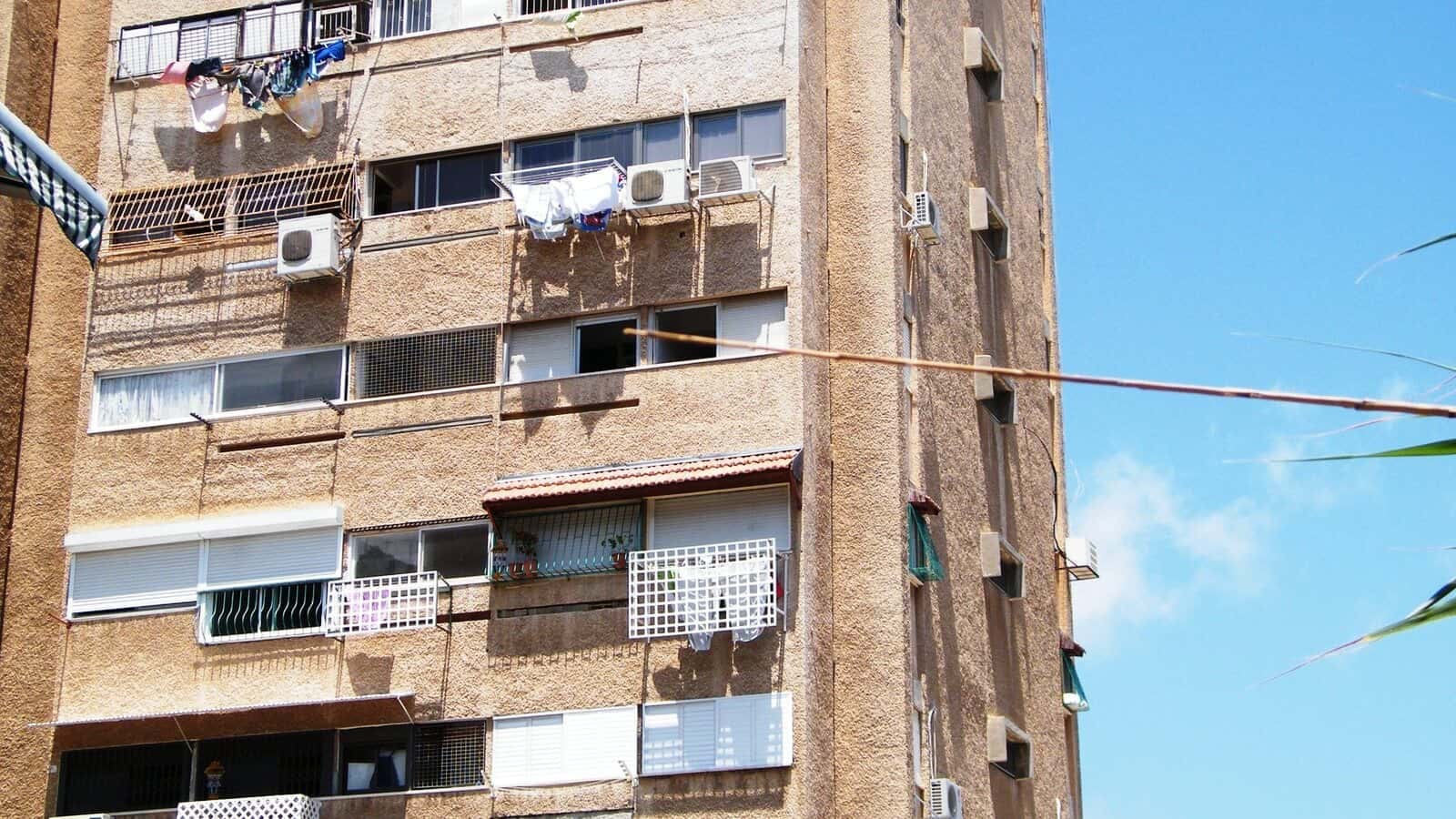
- Many Israeli retirees live in older walk-up buildings without an elevator, and stairs become a daily constraint with age.
- Adding an elevator to an older building requires the applicable owners’ approval, permits, structural work and a lawful allocation of installation and ongoing costs.
- Tama 38 strengthening projects, where active, can sometimes add an elevator alongside other upgrades, but timelines are long.
- Selling and downsizing can free equity, but tax exposure and the next-home choice must be planned, not improvised.
- Mas Shevach exemptions for primary residences depend on holding period and other apartments.
- Bottom line: the elevator question is rarely just about stairs. It is about safety, equity, tax and the next chapter.
An aging parent climbing four flights of stairs with shopping bags is one of the quiet realities of Israeli urban life. For many families, the elevator question is the moment the wider decision begins: stay, retrofit, or move.
Why elevator retrofits are so hard in older Israeli buildings
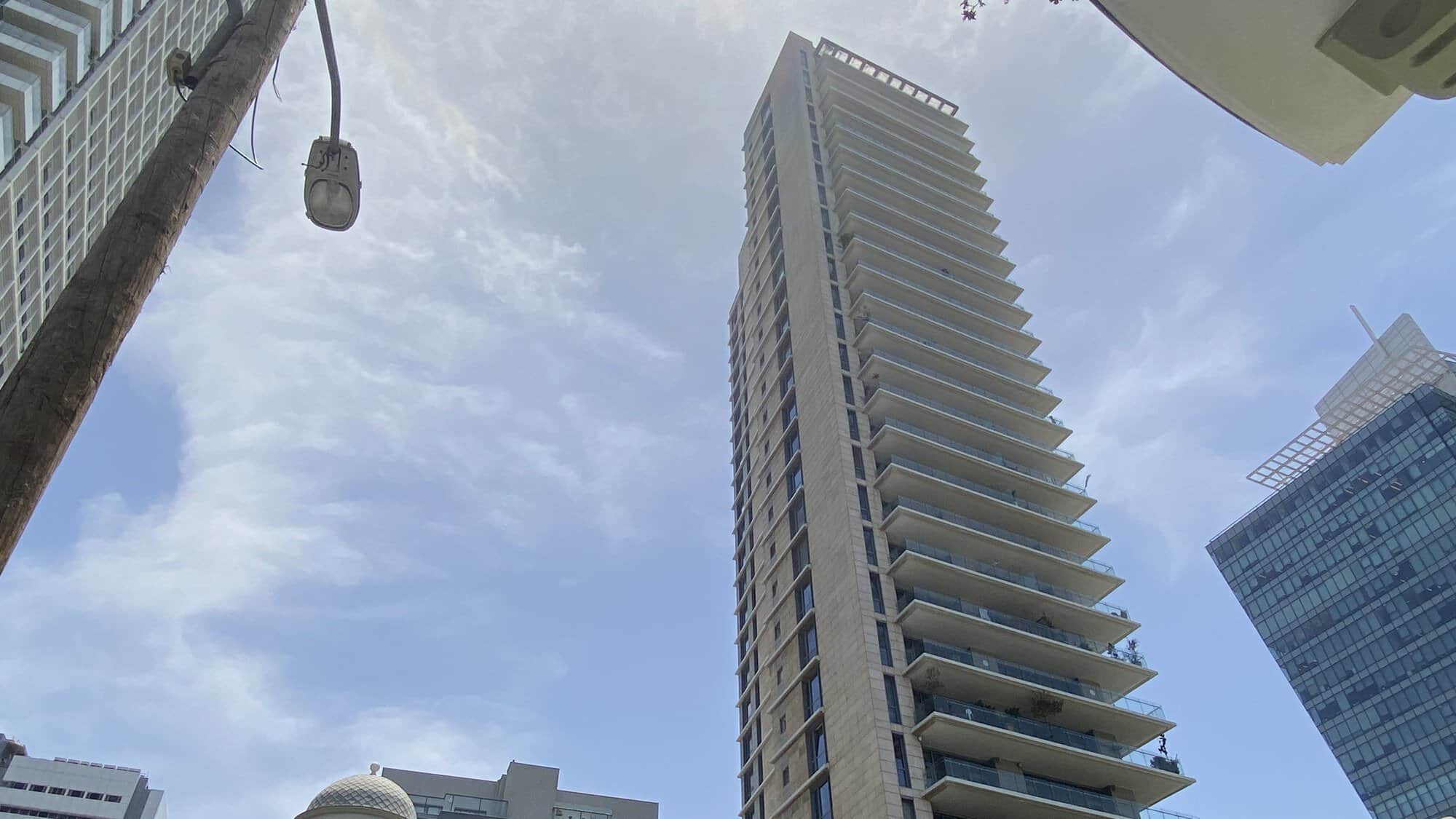
Many buildings constructed in the 1960s and 1970s in Tel Aviv, Ramat Gan, Bat Yam, Holon, Jerusalem, Petach Tikva and elsewhere were built without elevators. Adding one later requires the applicable owners’ approval, structural engineering, a permit from the local authority, and a cost allocation under the law and the building’s bylaws.
Even when a building can in theory add an elevator, neighbors do not always agree. Cost, disruption and individual circumstances vary. The result is that many retirees spend years climbing stairs they should not be climbing.
Owners’ approval and the proposed design
For a condominium, section 59ו of the Land Law provides a specific route for adding an elevator to the common property. Owners whose apartments make up at least two-thirds of the building’s apartments may decide to install it at a general meeting, subject to the legal conditions and any applicable agreed bylaws. The fraction concerns the apartments owned, not simply the number of people who turn up or the committee’s vote.
A building permit for the installation must be obtainable under the Planning and Building Law. The elevator must also be capable of installation without causing substantial harm to other apartments or any of them, the common property, or the building’s appearance. Ask the architect or engineer to explain the actual design and permit route before the owners commit to construction.
Here, an “apartment” can be a separate unit intended for residential, business or another use, so qualifying shops and business units are not left out merely because nobody lives in them. For this chapter, the owner definition can include a lessee or sublessee under a legally defined long lease (chakhira ledorot), unless the lease excludes that treatment. Have the registered rights and lease checked rather than treating every resident as an owner.
Installation costs and ongoing charges are different
Under the section 59ו default, the owners who decide to install the elevator pay its installation costs. They may agree that only some of them will pay. Ground-floor apartment owners do not bear the installation costs, even if they voted for the installation.
All apartment owners must participate in the elevator’s maintenance and operating costs under that default, including ground-floor owners. For each type of payment, the allocation follows the floor area of an apartment relative to the total floor area of the apartments whose owners bear that payment. The installation calculation therefore uses the installation-paying group; the ordinary maintenance and operation calculation uses all the apartments. It is not automatically an equal amount per apartment.
Before agreeing to the project, request separate installation and running-cost budgets and a written allocation for each. An owner’s obligation to the building and a renter’s payment obligations are separate questions; see the guide to vaad bayit charges, building records and tenant–owner responsibilities.
Read the agreed bylaws before fixing anyone’s share
Section 59ו allows agreed bylaws to provide that its rules will not apply and preserves an existing special elevator provision in agreed bylaws. Obtain and read the registered bylaws before treating the default vote or payment rule as the final answer for this building.
Section 62 also protects an affected owner’s consent: a bylaw change cannot alter an owner’s rights or impose an obligation or payment of a type or rate not specified in the law without that owner’s consent. Under the default installation rule, an owner who opposed the installation is not made an installation payer merely because the two-thirds decision passes. A valid registered bylaw can bind a later owner. A buyer should not assume that their own opposition cancels an existing provision. Have a lawyer check the actual bylaw, the required consents and any disputed allocation.
Raise objections with the design and decision records
An owner who considers the proposed elevator substantially harmful can object and bring the qualifying dispute to the Supervisor of Land Registration. Under section 59ו, the Supervisor may cancel or change the decision or impose conditions, including compensation. This is a route for a decision on the dispute; an objection alone is not a promise that the installation will be stopped.
The Land Law’s sections 72–73 also recognise the building committee and other qualifying parties, including an occupier acting on an owner’s behalf in the stated dispute circumstances. They preserve the effect of an arbitration agreement. Check the proper parties and forum for the actual dispute rather than assuming every resident has the same voting or claim rights.
Keep the proposed plans, permit information, owners’ decision, attendance and authorisations, the bylaws and the separate cost schedules together. For the ordinary meeting and record rules, use the existing building-meeting guide and check the building’s applicable bylaws. These papers give a family a more useful basis for comparing a retrofit with a move than a verbal assurance that “the vaad agreed”.
The statutory starting points are Land Law section 59ו and its continuation on the following page, read with section 62 on agreed bylaws. Amendment 34 updates section 59ו’s Planning and Building Law cross-reference; the approval and cost rules above retain their separate conditions.
How Tama 38 changes the elevator question for older buildings
Tama 38 strengthening projects, where they still proceed, can sometimes add an elevator, parking and additional apartments while reinforcing the structure. The advantage is real. The challenge is that approvals, financing and timelines vary widely and have shifted over time.
Families should never rely on a hoped-for Tama 38 project as a near-term solution for an elderly parent on the fourth floor. Plan for the apartment as it is today, with the project as a possible bonus.
When does selling and downsizing make more sense than retrofitting?
Daily life is already restricted
If a parent has cut back on outings because of stairs, the apartment is already costing more than it appears.
Vaad bayit cannot agree
If the building cannot reach the required agreement for an elevator, waiting is a decision in itself.
The apartment is the family’s main asset
Selling can free meaningful equity for a smaller, accessible apartment plus a financial cushion.
Tax treatment is favorable
If the primary-residence exemption from mas shevach applies and other conditions are met, the net proceeds can be significantly higher than expected.
The next home is already chosen
Downsizing without a defined next home is a common mistake.
What does a careful downsizing look like in Israel?
A careful downsize usually has three steps. First, confirm tax exposure with a real estate lawyer, including any mas shevach exemptions and any purchase tax bracket for the next home. Second, choose the next home before listing, ideally a ground-floor or elevator apartment near family, kupat cholim and shops. Third, plan the timeline to avoid carrying two homes or living temporarily in a rental that does not fit.
Family involvement matters. Decisions made under pressure, after a fall or a hospital stay, are usually worse than decisions made calmly.
Helping a parent move calmly, not under pressure
If you would like help evaluating your options or have questions about your property search in Israel, reach out to the Semerenko Group team here for a personal, expert consultation.