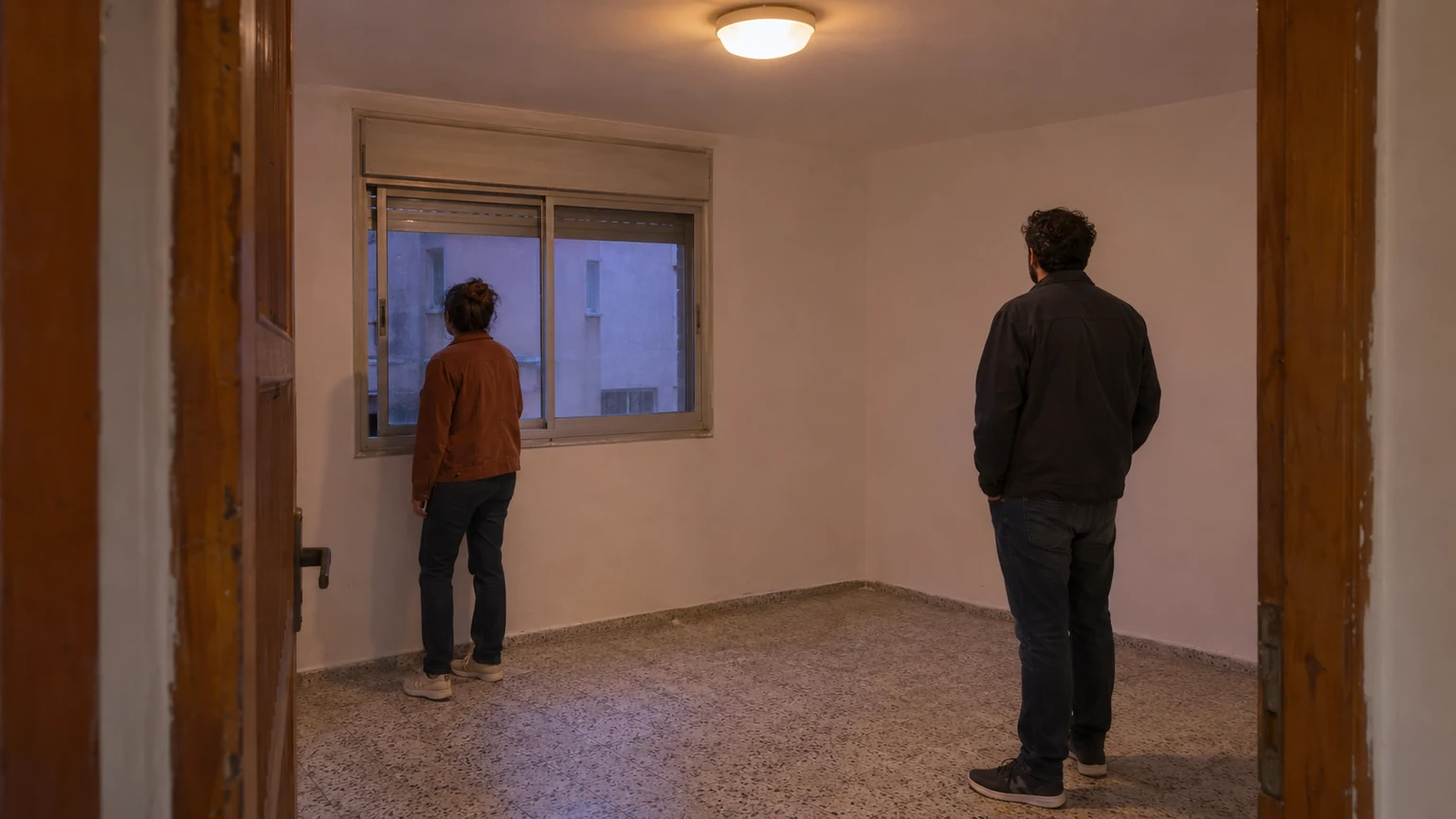
Apartment owners at 1 Zangwill Street in Jerusalem have cleared an appeal-stage obstacle to receiving compensation held by the court in a long-running construction-defects dispute. A Supreme Court judgment dated 10 November 2026 dismissed both sides’ appeals after they withdrew them and ordered the stayed funds transferred through the owners’ lawyers.
What did the Supreme Court decide?
The two-page judgment records that the parties accepted the court’s recommendation after a hearing on 9 November. The appeals concerned Elad Israel Megurim Hahadasha Ltd and the building’s condominium representation and apartment owners.
The court directed release of the sum held under an earlier stay order. It did not specify the amount or confirm that the owners had received it. The dismissal leaves the lower-court judgment standing, without a Supreme Court determination of the competing arguments on their merits.
| Date | Development |
|---|---|
| 25 December 2025 | Lower-court judgment challenged on appeal. |
| 21 April 2026 | Supreme Court allowed only part of the relevant payment to remain stayed. |
| 10 November 2026 | Mutual appeals dismissed; release of the held sum ordered. |
Why had part of the compensation remained in court?
The 21 April decision, reproduced by Psikan, distinguishes compensation for diminished apartment value from money for repairs. It ordered two thirds of the amount under consideration paid to the owners, with one third retained pending appeal. Other sums awarded in the litigation were outside that application.
That distinction matters when reading a headline about a payout: the total award, repair funding and the balance held during an appeal can describe different sums. The November order ends the hold it identifies; it does not provide an accounting of every payment in the dispute.
What was the dispute about?
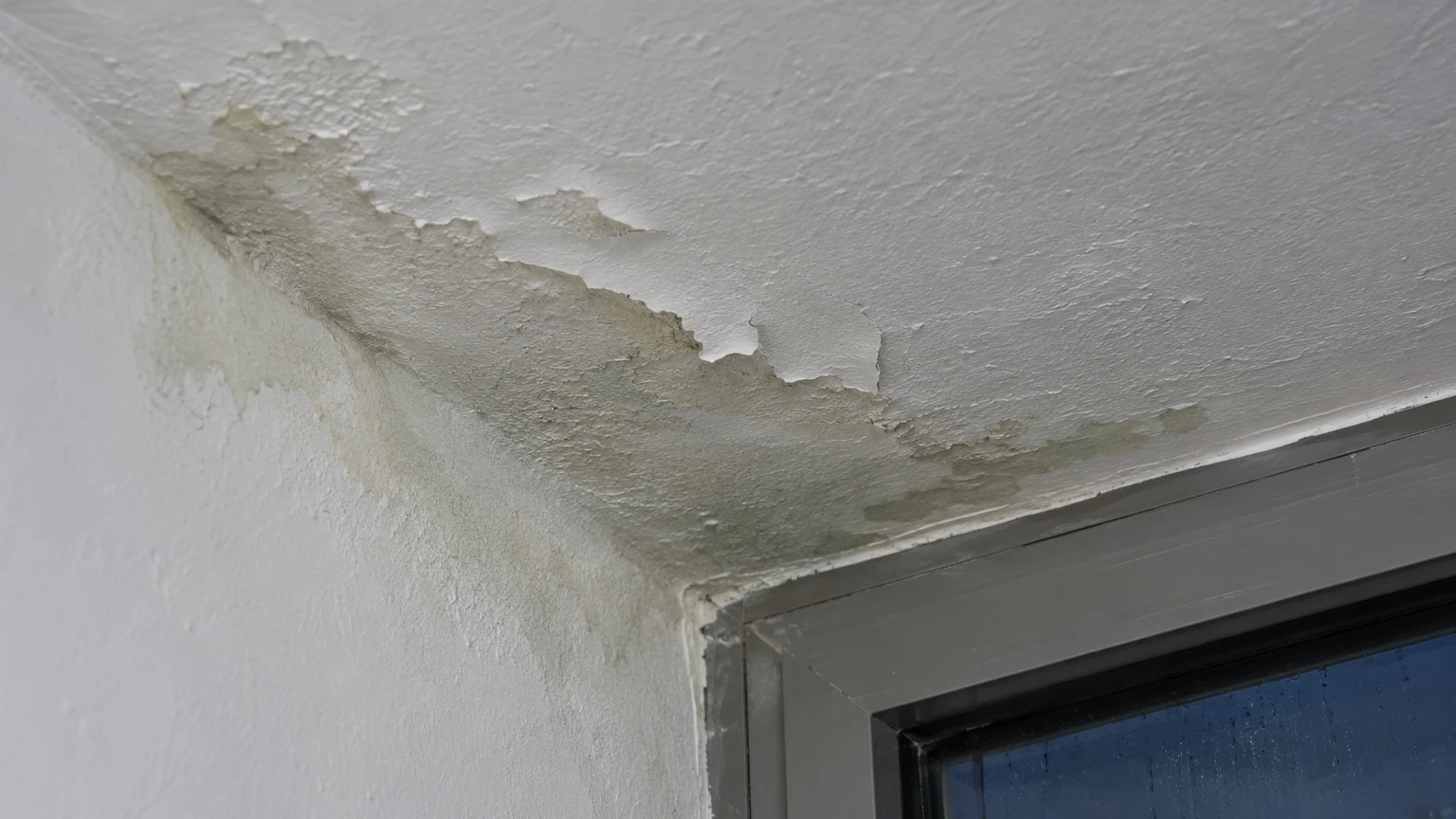
Nadlan Center’s report on 17 November describes a 17-storey, 67-apartment tower in Kiryat Hayovel, delivered in 2014, with complaints involving external stone-cladding fixings and water penetration.
According to that report, the company challenged compensation for reputational loss in apartment values, arguing that repairable or repaired defects did not automatically establish a lasting reduction in value. The owners argued that the compensation was too low and that the building’s history affected prospective buyers’ willingness to purchase there.
In its response to Nadlan Center, the company said an outside main contractor had built the tower and later become insolvent. It said it had offered to carry out repairs, disputed whether it had been allowed to do so, and continued to respond to residents’ concerns. These are the company’s statements to that publication, rather than new findings in the November judgment.
What should buyers and owners take from the case?
For someone assessing a Jerusalem apartment, a renovated interior is only one part of the investigation. A useful file also connects the building’s condition, repair history and any litigation to the specific apartment being sold.
- Buyers: request the engineer’s findings, completed-work records and relevant building-committee documents. Ask your lawyer to establish the status of any case and which claims or payments concern the seller.
- Owners and sellers: keep dated evidence of defects, remedial work and professional checks together. A clear record helps distinguish an unresolved problem from a documented repair.
- Investors: examine outstanding shared works and their funding separately from anticipated compensation. An order to release money is not a bank receipt or proof that physical work is complete.
Our home inspection guide explains how to agree the inspection’s scope, including accessible shared areas. A building inspection and a lawyer’s review answer different questions; this dispute shows why both belong in the purchase file.
This is general information, not legal or tax advice; confirm with a licensed professional.
Sources
Checked 18 November 2026: Supreme Court judgment, appeals 36604-03-26 and 20047-06-26, 10 November 2026 (Hebrew PDF hosted by Nadlan Center); 21 April 2026 stay decision, judicial text reproduced by Psikan; and Nadlan Center’s 17 November reporting and company response. This article reports the court documents and attributed coverage; it does not verify payment receipt or the building’s current physical condition.
Common questions
Which Jerusalem building is involved?
The case concerns 1 Zangwill Street in Kiryat Hayovel.
Did the Supreme Court set a new compensation rule?
No. The parties withdrew their appeals following the court’s recommendation. The resulting dismissal did not decide the merits of their competing arguments.
Is this page useful?