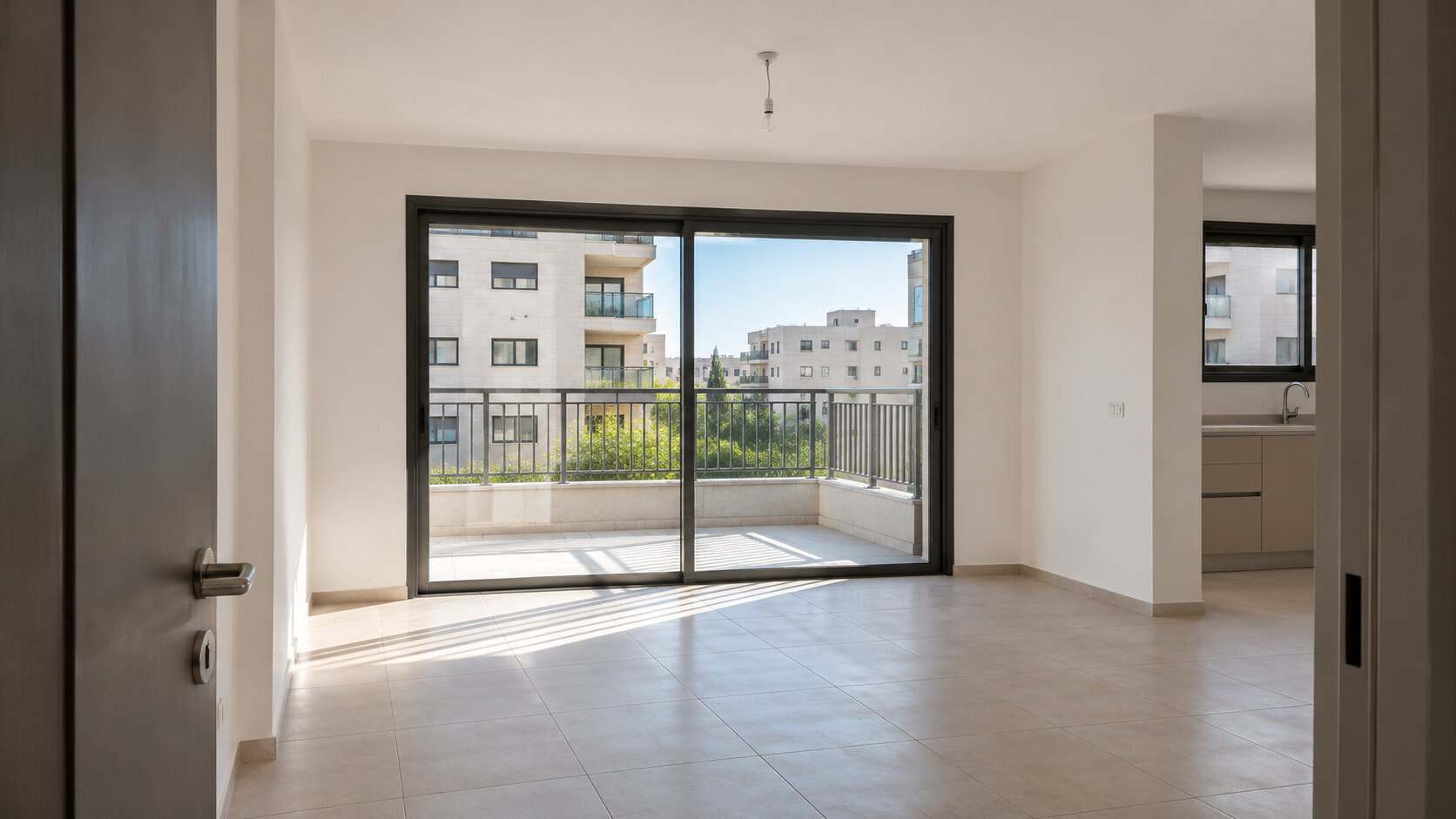
A Shufersal-owned plot at the junction of Pierre Koenig and Poalei Tzedek streets has moved a step closer to becoming housing. Shufersal, through a wholly owned subsidiary, and a Tidhar Group company signed a binding development agreement on 9 November for a mixed-use project in Jerusalem’s Talpiot neighborhood, with approximately 240 homes expected, including about 56 for rent.
The binding deal follows a nonbinding outline disclosed in March 2026. Construction still depends on a building permit and detailed planning, according to Shufersal’s stock-exchange disclosure. The announcement establishes neither a sales launch nor a move-in date.
What is planned for the Talpiot site?
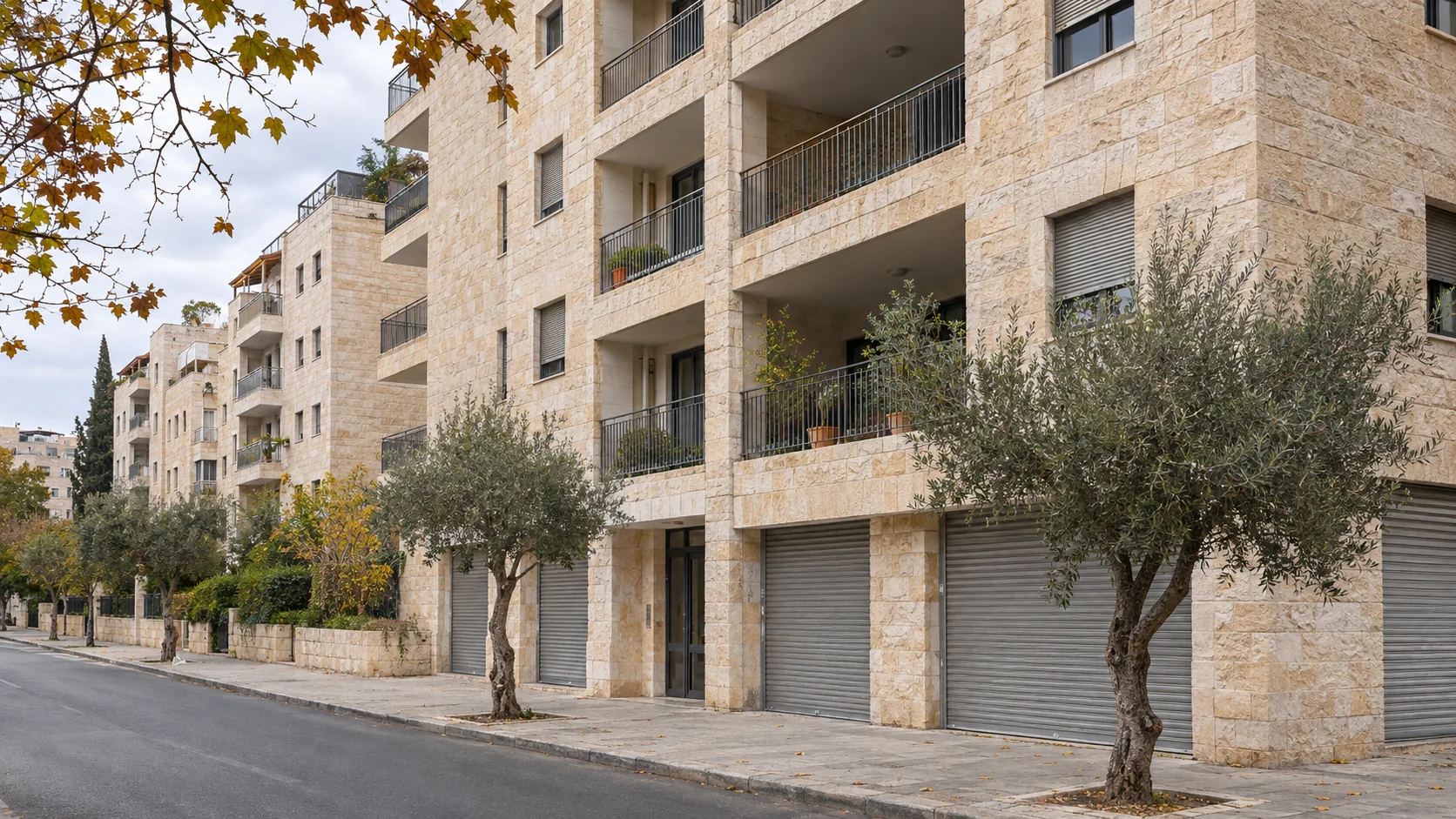
The company’s filing identifies a roughly 5.611-dunam site, about 5,611 square meters, owned by its subsidiary. The anticipated development includes approximately 23,000 square meters of residential space and 12,000 square meters for commerce and employment. Public facilities and affordable housing are also among the planned uses.
Globes describes the existing property as largely a parking lot and an older commercial building. That makes the proposal a change in how an established urban site is used, with homes added alongside business space.
For readers following Talpiot’s property market, the rental component matters. The headline total includes homes intended for letting, so it should not be read as 240 apartments becoming available to buy. Nor does a planned rental allocation establish the eventual rent, eligibility rules or leasing timetable.
A signed deal, with conditions still attached
This is a combination transaction: the landowner contributes the site, while the developer receives a share of the property rights and completed space in return for development. Bizportal’s Hebrew report describes Tidhar as responsible for building the complex and places the project at the detailed-planning stage ahead of a permit.
The agreement also contains a commercial condition worth watching. Shufersal’s disclosure says the developer can cancel if its expected profitability falls below an agreed minimum. The landowner has a way to prevent that outcome by reducing its own share sufficiently to restore the agreed profitability.
That clause explains why a signed agreement is meaningful progress without making delivery certain. The parties have settled a framework for working together, but the project must still clear both planning requirements and its own financial tests. Shufersal expressly classifies the expected development, unit counts and floor areas as forward-looking information that may change.
What changes for buyers, renters and nearby owners?
Buyers have a specific development to follow. The next useful evidence will be the permit, the agreed apartment mix and any formal sales documents. A project announcement is too early a basis for assuming prices, delivery dates or a particular apartment’s availability. Our guide to buying new construction in Israel explains the checks that become relevant when an actual purchase is offered.
Renters have a possible future source of supply. The planned rental homes are relevant to households comparing a purchase with a longer stay in Jerusalem. They cannot yet be counted as available alternatives to a lease that needs renewing now.
Nearby owners should separate construction effects from price expectations. If the project proceeds, its mix of homes and business space will be relevant to access, servicing and everyday use of the surrounding streets. The agreement alone does not demonstrate that a neighboring apartment has gained value.
For now, the milestone is concrete: a named landowner and developer have signed a binding agreement for a specific Talpiot site. The permit and subsequent project documents will show how much of the proposed housing becomes deliverable, and when.
Sources
- Shufersal disclosure to the Tel Aviv Stock Exchange, 9 November 2026. Primary source for the agreement, site, expected development and conditions.
- Globes, 9 November 2026. English reporting and existing-site context.
- Bizportal, 9 November 2026. Hebrew reporting on the transaction and development stage.