Israel Property: Check Buyer Leverage With Dated Evidence
Dated 2026 market context. The reports linked below concern different historical periods, including a later May 2026 rate decision. They do not establish today’s prices, mortgage offers, rental demand or negotiating leverage. Compare the actual property and current written terms.
The main opportunity is not to chase random discounts. The real opportunity is to find properties where timing, supply pressure, rental demand, infrastructure, or urban renewal can create a clear value gap.
The CBS release of 15 April 2026 reported a 1.7% decline for January–February 2026 compared with January–February 2025, and a 0.1% decline against the preceding two-month period. These were provisional national indices, not today’s price or the value of an individual home. Related dated reporting: April 2026 CBS housing price summary and February 2026 unsold inventory report. Check the reference date and definition of any unsold-stock figure rather than treat a historical count as current inventory.
The May 25, 2026 rate decision is historical: policy 3.75% and the corresponding prime benchmark 5.25% before a borrower-specific margin. It is not a current mortgage quote or a forecast of rent. Check the current official policy setting and the actual bank offer. See the Bank of Israel monetary policy page and the official monetary-policy information.
Three Property Categories to Compare
New-build inventory, older buildings with a possible renewal route and family rental properties are categories to investigate, not a measured ranking of today’s best investments.
- Negotiation checks: new projects with unsold units, flexible payment schedules, or quiet developer incentives.
- Rental-location examples to compare: Ramat Beit Shemesh, Jerusalem family neighborhoods, Ra’anana, Modi’in, and selected Tel Aviv furnished units.
- Development scenarios to verify: land and older buildings near growth corridors, transit expansion, and urban renewal zones.
- Yield comparisons to test: Haifa, Rehovot, Ashkelon, and selected lower-entry cities.
- Biggest mistake: buying expensive luxury inventory with weak rent economics just because it feels prestigious.
What Is Happening in the Israel Property Market?
National supply, demand and price releases provide dated context. They cannot establish that every developer is pressured, that buyers in a particular city have leverage or that a home is insulated from a downturn. Use current property-specific offers and relevant completed transactions.
Long-term housing-demand forecasts depend on population, household formation, migration and other assumptions. Read the reference period and methodology in the housing demand and policy analysis; a national forecast is not delivered supply or a prediction of an individual property’s future price.
Preparation can improve a decision, but neither short-term leverage nor a scarcity premium is guaranteed. Actual supply, pricing and financing matter.
Factors to Check for Buyers and Investors
- Ask each developer for its current written price, staged payments, included specification and any incentives. A 10/90 label does not establish a better total cost, bank approval or an affordable final payment.
- Check actual tenant requirements, comparable leases and competing supply in family areas, employment corridors and university neighborhoods; no current strongest-demand ranking is established here.
- Calculate the actual rent-to-price ratio and net costs for each unit rather than assume a citywide yield.
- Compare each location’s actual price, achievable rent and costs; a peripheral or growth-area label does not establish higher yield or appreciation.
- Urban renewal, transit, schools, employment, and community infrastructure are becoming more important than old neighborhood reputation alone.
For a deeper cost and yield breakdown, see our Israel real estate guide for rates, taxes, and net yields.
Beit Shemesh and Ramat Beit Shemesh
Beit Shemesh households may consider schools, community, space and commuting needs. Compare the actual price and services; no current strongest-demand ranking or uniform saving against Jerusalem is established here.
Beit Shemesh Areas to Research
- Ramat Beit Shemesh Aleph for mature Anglo rental demand.
- Ramat Beit Shemesh Daled for new supply, community growth, and developer inventory.
- Neve Shamir and RBS Hey for modern planning and mixed community appeal.
- Older Beit Shemesh neighborhoods where urban renewal may become the real value driver.
- Land near future expansion corridors, where planning changes can create long-term repricing.
For Daled, distinguish the actual approved scheme, marketing phase, construction and occupied housing. A broad neighborhood count does not establish delivered supply or available units. The Ramat Beit Shemesh Daled development is a starting point for further plan-specific checks.
For more local project context, see our guide to new developments in Beit Shemesh.
Jerusalem
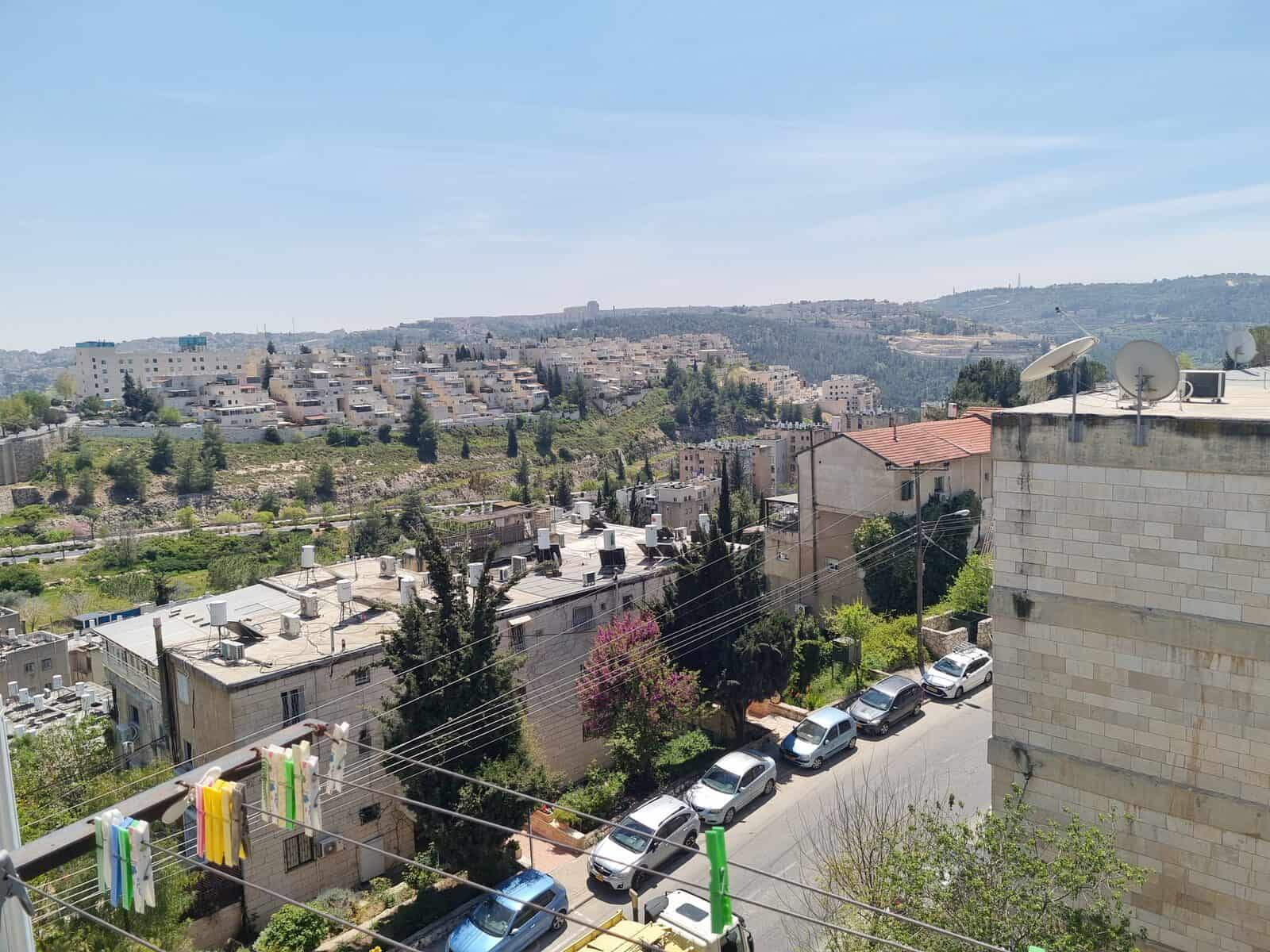
Jerusalem neighborhoods and property types differ. Compare the actual seller’s alternatives, competing supply, completed transactions and household needs. No current luxury-discount or family-market-shortage ranking is established here.
Jerusalem Property Types to Compare
- Older buildings in Katamonim and Kiryat Yovel renewal corridors.
- Family apartments near schools, shuls, parks, and light rail access.
- Arnona and surrounding southern Jerusalem areas where infrastructure and neighborhood quality continue improving.
- Selective luxury deals where sellers or developers are more negotiable than the public asking price suggests.
The better Jerusalem play is not always the prettiest apartment. It is often the asset with a clear reason to become more useful: better transit, better building rights, better renewal probability, or better long-term family rental demand.
Tel Aviv
Tel Aviv purchases require actual price, financing, legal-rights and rental checks. No current citywide liquidity or rental-pressure ranking is established here.
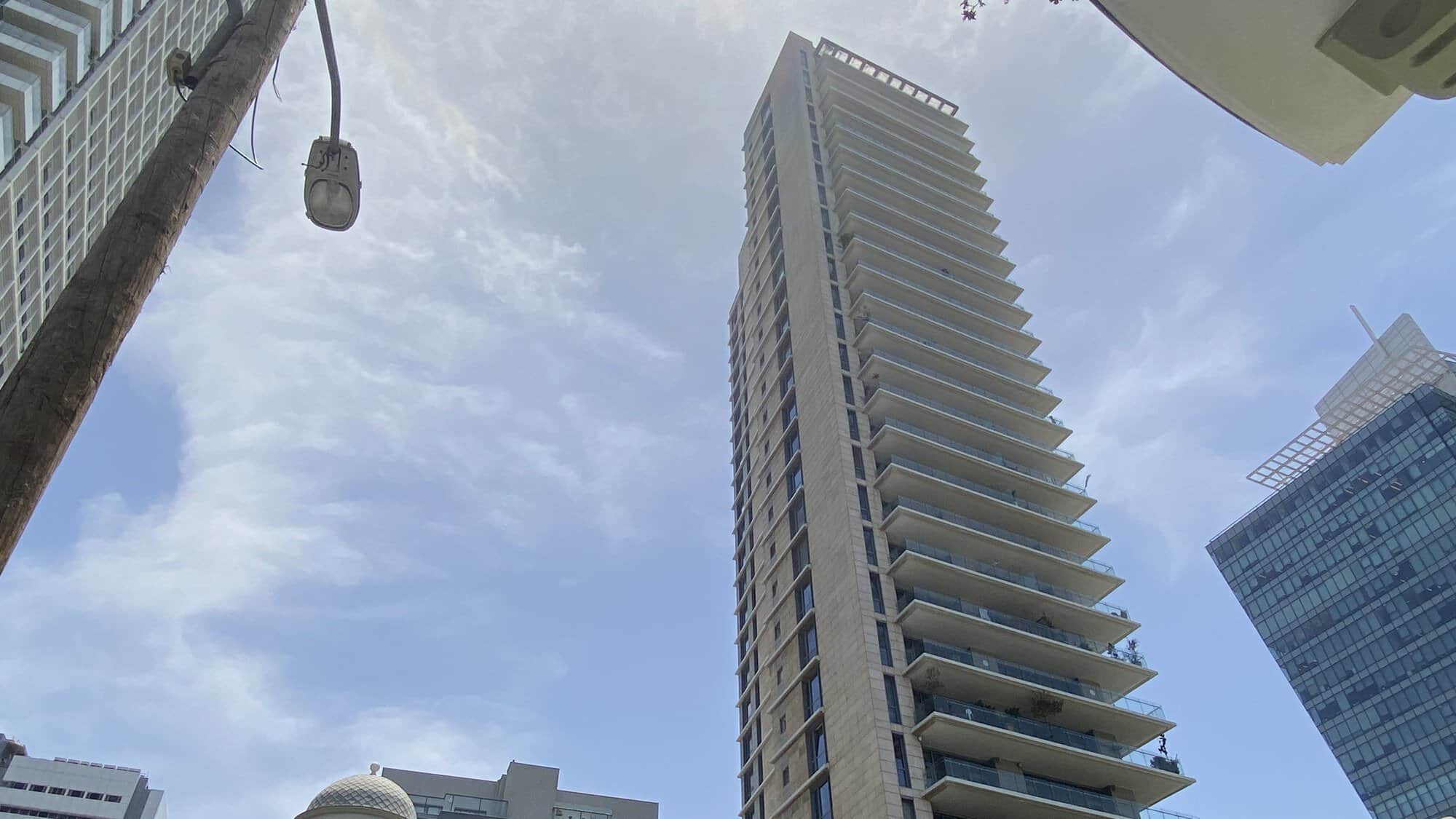
In February 2026, market reporting described a cooler Tel Aviv new-build environment, with developers under pressure in some luxury segments and unpublished discounts appearing in certain projects. See this 2026 Israel housing reset analysis.
Tel Aviv Property Types to Compare
- Small renovated units for furnished rentals and relocation tenants.
- Secondary neighborhoods near transit, employment, and regeneration zones.
- Boutique projects where the developer needs sales momentum.
- Older buildings with TAMA 38 or pinui-binui potential, only after legal and planning review.
A Tel Aviv address does not guarantee capital preservation or a scarcity premium. Compare rent, costs and downside resale scenarios for the exact unit.
Netanya
Netanya may suit households whose needs include coastal access or particular community services. Compare actual prices, rights and total costs; no uniform saving against Tel Aviv or shared buyer preference is established here.
Netanya Property Types to Compare
- Older buildings near renewal zones.
- Secondary streets near premium coastal areas.
- Well-priced apartments with elevator, parking, balcony, and mamad.
- Rental assets suitable for retirees, olim, and seasonal tenants.
The mistake in Netanya is paying a full emotional premium for sea view without checking realistic rent, building condition, management costs, and resale depth.
Ra’anana, Herzliya, and Givat Shmuel
Schools, community, employment and commuting access may matter to individual households. They do not establish durable investment returns, a superior tenant profile or a quick resale. Test the actual home and price against suitable alternatives.
Ra’anana, Herzliya and Givat Shmuel: Property Checks
- Older low-density homes with redevelopment potential.
- Townhouses and garden apartments near high-demand schools.
- Properties with real family functionality, not only cosmetic renovation.
- Assets near transit and employment corridors that are not yet priced like finished prime stock.
Check which features the actual tenant household needs, including bedrooms, storage, parking, elevator, approved protected space and services. Features alone do not establish the strongest demand.
Modi’in
Modi’in offers planned neighborhoods, schools, parks and transport connections. Compare the household’s actual needs, costs and route; these features do not establish a citywide yield ranking, low risk or guaranteed liquidity.
Modi’in Property Types to Compare
- Larger family apartments during temporary buyer softness.
- Edge neighborhoods before full maturity.
- Properties near schools, train access, and daily services.
- Units where the price gap versus central Israel still feels rational.
Assess the actual Modi’in purchase using price, achievable rent, costs and financing. A family-city label does not establish stable prices or a compressed yield for every property.
Rehovot
Employment, education and medical facilities are factors to investigate in Rehovot. Compare actual purchase costs, achievable rent, competing units and tenant requirements; those facilities do not establish a lower entry price or better investment than a central-city alternative.
Rehovot Property Types to Compare
- Small apartments near employment, education, and medical anchors.
- Older buildings in renewal zones.
- Units that can rent quickly to students, workers, or young couples.
- Projects near transit improvements and walkable commercial areas.
Ashdod and Ashkelon
Ashdod and Ashkelon are more volatile because security perception affects buyer psychology. That volatility creates risk, but it can also create mispricing.
Ashdod
- Port economy, French demand, religious communities, and coastal appeal support the city.
- Older coastal stock and renewal areas are more interesting than overpriced emotional purchases.
- Assess a larger or subdivided unit only after confirming the specific lawful use, planning permission and actual rental demand.
Ashkelon
- Assess the actual security exposure, legal status, costs and local demand; higher risk does not guarantee higher upside.
- The city can look cheap compared with central Israel, but buyers must price in security perception, building quality, and tenant depth.
- An understated advertisement is not proof of a bargain. Verify the actual discount against relevant transactions and test the demand and downside assumptions.
Haifa
For Haifa, investigate the actual property’s access to universities, hospitals, employment and transport. Establish the relevant purchase price and rental evidence; a city description does not prove lower entry costs, strong current tenant demand or a yield advantage.
Haifa Property Types to Compare
- Technion and university rental zones.
- Carmel-adjacent apartments with renovation upside.
- Downtown and lower-city regeneration areas.
- Small units whose actual rent-to-cost comparison has been tested against suitable alternatives.
For Haifa, building condition, stairs, parking, tenant requirements and exact location matter. Demonstrate any yield advantage using comparable prices, actual rent and relevant costs; it is not guaranteed by the city name.
Property Comparisons by Strategy
Locations for Actual Yield Comparisons
- Haifa
- Rehovot
- Ashkelon
- Selected Beer Sheva and northern city opportunities
Development Scenarios to Investigate
- Beit Shemesh expansion corridors
- Jerusalem urban renewal zones
- Tel Aviv transit-linked regeneration areas
- Land near future planning and infrastructure changes
Community and Language Examples to Research
- Ramat Beit Shemesh
- Jerusalem family neighborhoods
- Ra’anana
- Modi’in
- Netanya
Check Whether a Value Gap Exists
No most-undervalued category is established here. For land or older property, compare the actual price, registered rights, approved use, costs and competing alternatives; a future plan is not a guaranteed value gain.
Check the Actual Renewal Route
An older building is not automatically mispriced or likely to enter renewal within five to ten years. Verify the exact plan, owner arrangements, approvals, financing and project stage.
Check Rent, Yield, Terms, and Title
- Real rent: Check actual rental comps, not seller claims.
- Net yield: Include purchase tax, lawyer fees, agent fees, vacancy, repairs, mortgage cost, and management.
- Developer terms: Check payment schedule, index linkage, bank guarantees, delivery risk, and penalties.
- Urban renewal status: Verify signatures, plan status, developer identity, legal structure, and realistic timeline.
- Official records: Establish whether rights are recorded in the Land Registry, the Israel Land Authority or a relevant housing company, inspect the actual rights and encumbrances, check sale comps in the Israel Tax Authority real-transaction price database, and review the building permit, tofes 4 occupancy certificate, arnona clearance certificate, vaad bayit accounts and renovation fund; for land, confirm any ILA (Rashut Mekarkei Yisrael) tender deadlines and binding-bid rules.
- Liquidity: Ask who will buy the property from you later and why.
- Daily usability: Elevator, mamad, parking, storage, schools, shuls, transportation, and building maintenance matter.
For mortgage and rate context, see our guide on the Bank of Israel rate cut and Israeli mortgage pricing.
FAQ: Israel Real Estate in 2026
Are Israeli home prices going down in 2026?
The 15 April 2026 CBS release reported a provisional 1.7% annual fall for January–February 2026 against the corresponding 2025 period. That dated national result does not establish today’s direction or which neighborhoods are holding up better. Check the latest official period and relevant local transactions.
Where should English speakers buy property in Israel?
Ramat Beit Shemesh, Jerusalem, Ra’anana, Modi’in, Netanya and parts of Tel Aviv and Herzliya are location examples to investigate. Match community, language, schools, budget and travel to the actual household; no comparative stability ranking is established here.
Where are the best rental yields in Israel?
Compare actual properties using consistent purchase costs, achievable annual rent, vacancy and expenses. No current highest-yield city ranking is established here; a lower price does not necessarily produce a higher net return.
Is Tel Aviv still a good investment?
It depends on the particular price, rights, rent, costs and financing. A Tel Aviv address does not guarantee liquidity, capital preservation or appreciation. Compare suitable alternatives using the same assumptions.
Is Beit Shemesh a good place to invest?
Assess the specific Beit Shemesh neighborhood, approved project stage, household requirements and actual rental evidence. Community appeal or an expansion plan does not establish the best investment, guaranteed demand or a future land-price gain.
What is the biggest risk for 2026 foreign buyers?
The biggest risk is buying based on emotion, not numbers. Foreign buyers often underestimate purchase tax, currency movement, financing limits, building condition, rental vacancy, and weak resale demand in overbuilt luxury areas.
Five Value Engines to Look For
No blanket 2026 buyer-leverage or no-collapse conclusion is established here. Assess the actual negotiating alternatives, financing, lawful rights and ownership costs; prices may rise or fall.
Look for one of five value engines: real rental demand, developer pressure, urban renewal, infrastructure change, or community-driven scarcity.
To find serious opportunities across Israel, contact Semerenko Group. We help buyers, renters, sellers, landlords, investors, and developers understand the real market before they move.
Important: This is market analysis, not legal, tax, mortgage, or investment advice. Before signing, use a licensed Israeli attorney and appropriately qualified mortgage and tax professionals, with clear written responsibilities.
When you are ready to compare live options, start with the buy property in Israel hub.
Planning a move in Israel? Tell Semerenko Group what you are looking for and get a tailored shortlist.