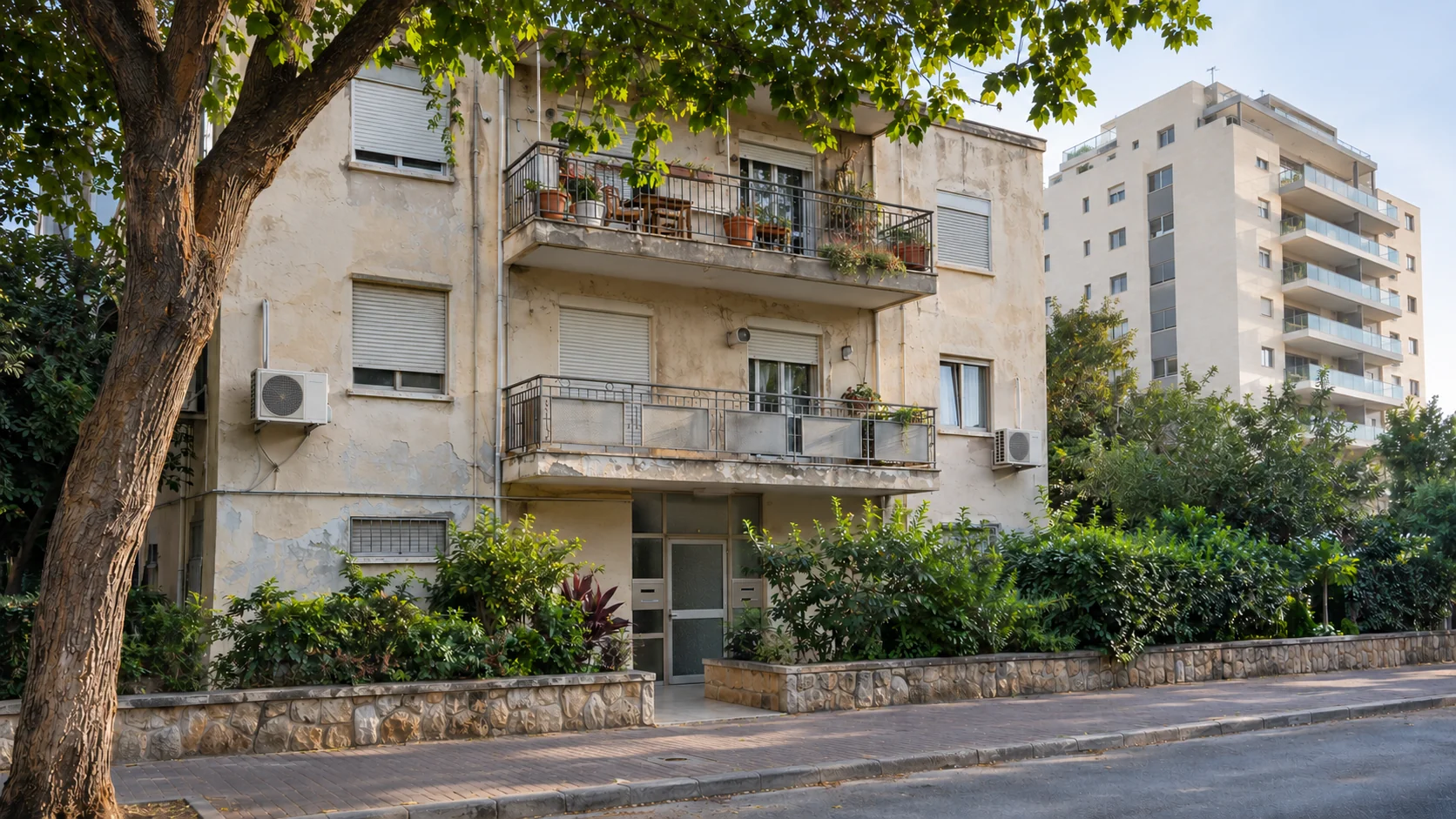
Yad2 is one of Israel’s main online classifieds platforms, and it runs in Hebrew. Overseas buyers turn each listing into one number: asking price divided by listed square metres. See the table above for how asking prices compare with recorded sales in major cities.
What can Yad2 data prove, and what can it not?
Yad2 data proves what sellers are asking today, and nothing more. These are the limits to keep in mind:
- Yad2 is useful for market discovery, especially for active sale and rental listings.
- Automated tools can structure listing data, including price, location, rooms, size, photos and contact details, depending on the tool used. (apify.com)
- Listing prices are not proof of value. Check them against actual transaction data.
- The Israel Tax Authority database is a key validation source for reported real estate sales. (gov.il)
- Scraping contact details or storing personal data can raise legal, privacy and platform-use issues. Review compliance before you automate outreach.
Is Yad2 a discovery tool or a valuation tool?
Yad2 is a discovery tool. Its real estate section lists apartments for sale and for rent, commercial property, new projects, appraisers, lawyers and other property services. (yad2.co.il)
That shows you what sellers, landlords, agents and developers are asking right now. But asking price is not market value.
A seller may price high to test the market. A broker may leave an old ad online. A landlord may adjust rent only after receiving calls. A property may look attractive because the listing hides a missing elevator, no parking, poor building condition, complex ownership or future construction nearby.
Use Yad2 as the top of the funnel. Find possibilities there. Then verify them with transaction data, professional checks and direct market knowledge.
How can automated Yad2 data help you?
It saves time when used correctly. Some Apify-based tools advertise the ability to extract structured Yad2 data such as prices, location, photos, agent details and real estate attributes. Apify also provides API access, including Python, JavaScript, CLI, HTTP and dataset retrieval options. (apify.com)
For a buyer or investor, the value is practical:
- Track new listings in target cities.
- Compare asking price per square metre.
- Spot listings that reappear with price changes.
- Flag apartments below your chosen price-per-sqm threshold.
- Build alerts for specific streets, neighbourhoods, room counts or budgets.
- Compare rental asking prices against purchase prices.
- Create a shortlist before calling agents or owners.
This helps most if you cannot refresh Hebrew listing sites all day from abroad. Still, automation should not replace local judgment. It should make your first screen faster. It cannot inspect a property, negotiate with context or read legal documents, so a broker or advisor still does that.
Why is price per square metre useful and dangerous?
It is the fastest way to compare Israeli apartments, and it can mislead. You calculate it as asking price divided by listed square metres. Divide the asking price by the listed area, then compare that figure with recorded sales on the same street.
The problem is that area definitions are not consistent across listings. One seller may include balcony space. Another may list registered area. Another may estimate. New-build marketing may use gross or contractual areas that need careful review.
Use price per sqm as a filter, not a decision. A low number should trigger questions:
- Is the apartment on a low floor without an elevator?
- Is there no mamad?
- Is the building old or poorly maintained?
- Is the apartment rented below market today?
- Are there title, leasehold or inheritance issues?
- Is it near a noisy road, school, commercial strip or planned construction?
- Is the listed area accurate?
Cheap is only attractive once you understand the reason.
What is the best workflow from listing data to a real decision?
The best workflow is layered. The strongest investors move through these steps in order.
| Step | What You Check | What This Step Gives You |
|---|---|---|
| 1. Listing scan | Yad2 asking price, size, rooms, location, date posted | Finds active opportunities quickly |
| 2. Data clean-up | Duplicates, missing sqm, unclear addresses, repeated photos | Reduces false positives |
| 3. Comparable sales | Israel Tax Authority real estate database | Checks actual reported transactions, not wishful asking prices |
| 4. Local review | Building, street, floor, elevator, parking, mamad, noise | Explains why two similar apartments price differently |
| 5. Legal review | Title, rights, liens, permits, leasehold, planning exposure | Prevents expensive mistakes |
| 6. Financial review | Mortgage, taxes, renovation, rent, vacancy, management | Tests whether the deal works after costs |
| 7. Negotiation strategy | Seller motivation, listing age, competing demand | Turns data into better pricing |
The Israel Tax Authority’s public real estate database lets you search sales of real estate rights by categories such as address or block and lot. The service is free to the public. (gov.il)
The database is not perfect. Government data can lag or need interpretation. But it is one of the most important checks, because it reflects reported transactions, not only active asking prices.
Can Yad2 data reveal underpriced deals?
Sometimes, but “underpriced” needs a careful definition. A listing may look cheap because the seller wants speed. It may also look cheap because of a problem that is not visible online. Look for pricing gaps with explanations.
Good signals may include:
- Asking price clearly below recent comparable sales.
- A price reduction after several weeks online.
- A private seller with limited marketing quality.
- Poor photos but strong building fundamentals.
- Same-street transactions at a higher price per sqm.
- A rent level that supports a reasonable yield after expenses.
- A property type that is less obvious to casual buyers.
Weak signals include:
- Missing address.
- Unrealistic photos.
- “Flexible price” with no details.
- The same apartment listed by several agents at different prices.
- No clear sqm.
- A listing that has been recycled many times.
- “Opportunity” language without numbers.
Data can point you toward a deal. It cannot confirm the deal.
Do paid and free Yad2 ads behave differently?
Yes. A 2024 report on Tel Aviv University research found that homes advertised through paid classified services received more clicks, sold faster and achieved higher prices than statistically similar homes advertised through free listings. The study discussed Yad2 data from 2014 to 2016 and linked the result to the “zero-price effect.” (jpost.com)
For buyers, this matters because visibility affects competition. A poorly promoted listing may be seen by fewer buyers, which can leave room to negotiate. It may also mean the seller is not serious, the listing is incomplete or the property has limited appeal.
For sellers, the lesson is different. Saving a small advertising cost can be expensive if it reduces exposure.
Is it legal to scrape Yad2?
Scraping is not the same as permission, and the answer needs legal advice. Yad2’s own site footer states, in Hebrew, that no use should be made of the content on the Yad2 site. (yad2.co.il)
That does not settle every legal question, but it is a clear warning sign. Before you build a scraping system, store data or use seller and agent contact details at scale, get proper legal and compliance advice.
There is also a privacy issue. Israel’s Protection of Privacy Law defines “information” broadly, including data about a person’s private affairs, and databases can trigger obligations depending on use, scale and type of information. (gov.il)
Practical rule: if your workflow stores names, phone numbers, agent details, seller details, addresses tied to individuals or communication history, treat it as compliance-sensitive.
What should a Yad2 decision dashboard include?
It should show which listings deserve a call, a viewing, an offer or a professional review. The goal is not to collect the most listings. A useful dashboard might include:
- City and neighbourhood.
- Street or approximate location.
- Asking price and price per sqm.
- Number of rooms.
- Floor and elevator.
- Parking and balcony.
- Mamad status.
- Date first seen and price change history.
- Agent or private seller.
- Comparable sales range.
- Estimated rent and gross yield estimate.
- Red flags and next action.
For foreign buyers, the most important field may be confidence level. A listing with a great price but an uncertain address should not be treated like one with a clear address, verified comps and a responsive seller.
How do buyers, sellers, renters and investors use Yad2 differently?
Each group reads the same listings for a different goal: buyers compare, sellers benchmark, renters track rent and investors screen yield.
| User | Best Use of Yad2 Data | Main Risk |
|---|---|---|
| Buyer | Compare asking prices and spot new listings quickly | Mistaking asking price for fair value |
| Seller | Understand competing inventory before pricing, but do not price only against unsold listings, because many are overpriced | Overpricing based on unrealistic listings |
| Renter | Track rent levels and respond fast | Old or unavailable ads |
| Investor | Screen yield, price gaps and distressed marketing | Ignoring taxes, vacancy, renovation and legal issues |
| Overseas buyer | Shortlist remotely before flying in | Relying too heavily on listing text and photos |
What should you check before acting on a listing?
Check the address, area, legal status, comparable sales and total cost first. Use this list before you call anyone:
- Is the address exact or only approximate?
- Is the sqm figure reliable?
- Is the apartment registered as residential use?
- Is there an elevator, parking, storage, balcony or mamad?
- Is the floor clear?
- Is the building maintained?
- Are there recent comparable sales nearby?
- Is the asking price below, in line with or above comps?
- Are there duplicate listings at different prices?
- Has the price changed?
- Is the seller private or represented by an agent?
- What are the estimated purchase tax, legal fees, broker fees and renovation costs?
- If renting out, what is the realistic net yield after vacancy and maintenance?
- Has an Israeli real estate lawyer reviewed the rights and title?
- Has a mortgage professional confirmed the financing assumptions?
What do the key terms mean?
Yad2, asking price, price per square metre, Nadlan, mamad, Tabu and gross yield are the terms you will meet most often.
Yad2: a major Israeli classifieds platform used for real estate sales, rentals, vehicles, jobs, products and services.
Asking price: the price requested by the seller or landlord. It is not the final transaction price.
Price per square metre: price divided by listed area. Useful, but only if the area figure is reliable.
Nadlan / Tax Authority database: Israel’s official real estate transaction database, used to review reported sales. The public service is free. (gov.il) Platforms such as Madlan may add neighborhood context, but check serious decisions against primary records.
Mamad: a protected room built to Israeli safety standards. It can affect value, rentability and buyer demand.
Tabu: Israel’s land registry system. A lawyer should check title, rights, liens and registration status before purchase.
Gross yield: annual rent divided by purchase price, before expenses, tax, vacancy, financing, repairs and management.
What must you verify before making an offer?
Do not make an offer based only on scraped or exported data. Verify these eight things:
- Actual availability. Call the seller or agent. Many listings stay online after the status changes.
- Exact address. You cannot value a property without knowing the building or at least the street segment.
- Comparable sales. Use official transaction data, then adjust for floor, condition, parking, elevator, view and building quality.
- Legal status. Confirm ownership, registration, rights, permits, liens, and whether the property is freehold, leasehold or otherwise restricted.
- Physical condition. Photos rarely show plumbing, electrical issues, dampness, building maintenance or structural concerns.
- Planning risk. Check nearby projects, evacuation-reconstruction plans, road changes and municipal zoning.
- Total cost. Include purchase tax, legal fees, broker fees, mortgage costs, renovation, furniture, insurance, vacancy and management.
- Data-use compliance. If you automate collection or outreach, review Yad2 terms, privacy rules and data storage obligations with qualified counsel.
Verification is where the money is protected, and an advisory process helps you avoid costly assumptions: valuation, legal review, negotiation, financing and local due diligence. Semerenko Group helps buyers, sellers, renters and investors turn market information into practical decisions, including from abroad.
Frequently asked questions
Is Yad2 in English?
No. Yad2 runs in Hebrew. Use a translator or have an advisor review the listings, and confirm every fact with the seller or agent.
Is Yad2 enough to value an apartment in Israel?
No. Yad2 shows asking prices only. A valuation also needs reported sales from the Tax Authority, building-specific checks, legal review and local market knowledge.
Can investors use scraping tools to find Israeli property deals?
Tools exist that structure Yad2 listing data and offer API access. Yad2’s footer says no use should be made of its content, so get legal advice before you automate collection or outreach.
What is the biggest mistake investors make with Yad2 data?
Treating a low asking price as a bargain. A low price often reflects poor condition, a weak location, legal complexity, missing parking, no elevator or a wrong listed area.
How should overseas buyers use Yad2?
Use it to understand supply and build a shortlist. Before you fly in or make an offer, have a local advisor check availability, comparable sales, legal status and viewing priorities.
Is the Tax Authority database better than Yad2?
They do different jobs. Yad2 shows what sellers ask now, and the Tax Authority database shows reported sales. Madlan may add neighborhood context, but check serious decisions against primary records.
Related pages
- How much apartments really cost in Israel
- Hebrew-only real estate listings in Israel
- Buying real estate in Israel as a foreigner
- Buying property in Israel without Hebrew
- Can a foreigner own property in Israel
Sources
- Yad2 Scraper API through CLI, Apify
- Real estate database, Israel Tax Authority
- Yad2 official website, real estate section
- Study reveals: Free classified real estate ads, The Jerusalem Post
- Protection of Privacy Law, unofficial translation
Semerenko Group is the English-first real estate platform for Israel. We combine property information, official market data and tools with representation, negotiation, mortgage and legal coordination, and property management for buyers, renters, sellers and investors.
Published by Semerenko Group under the professional supervision of licensed Israeli real-estate broker Pinhas Menachem Reiss (License #324150). We work with owners, brokers, brokerages and developers across Israel. This is general information, not legal or tax advice; confirm with a licensed professional.
Is this page useful?