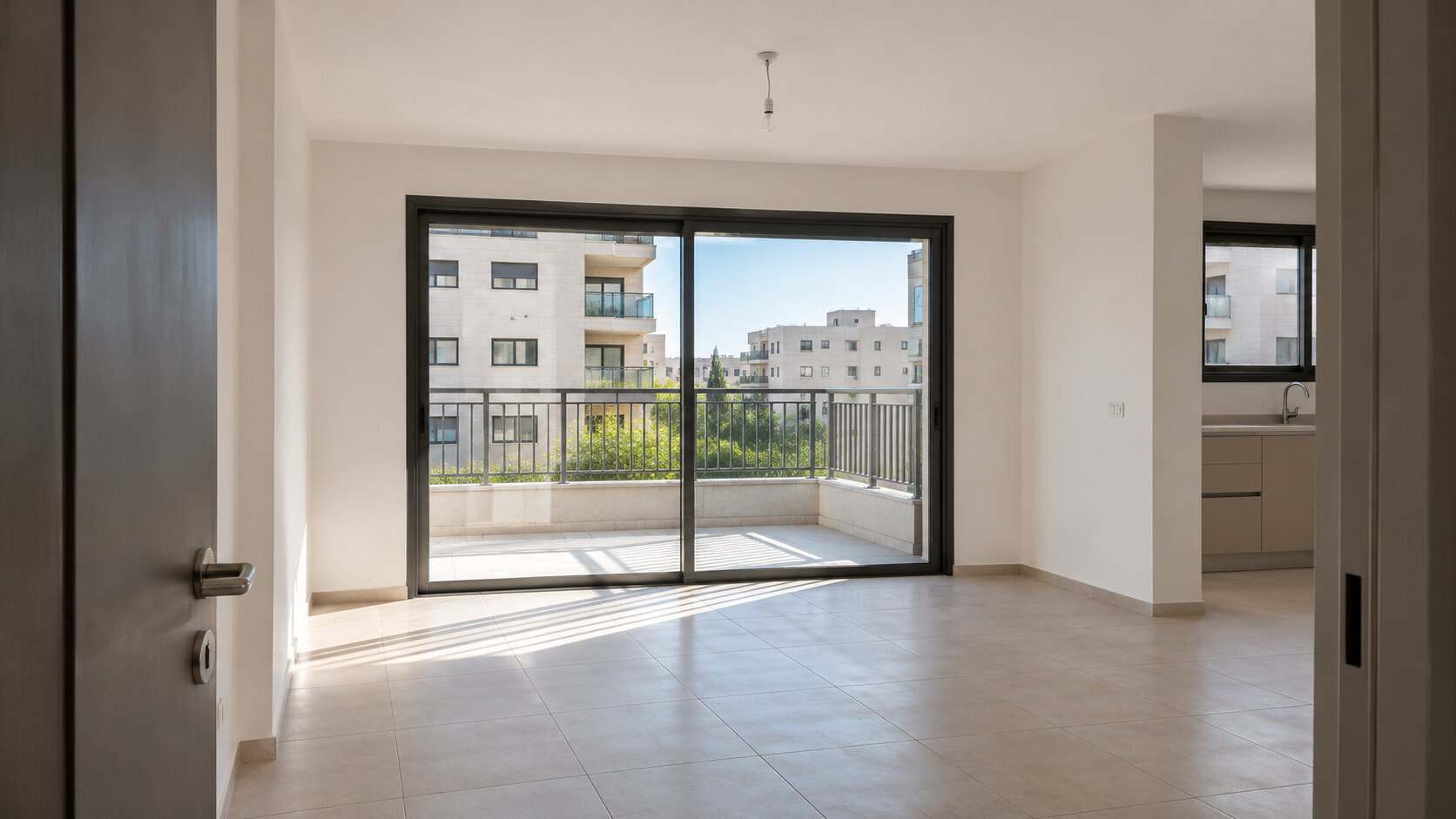
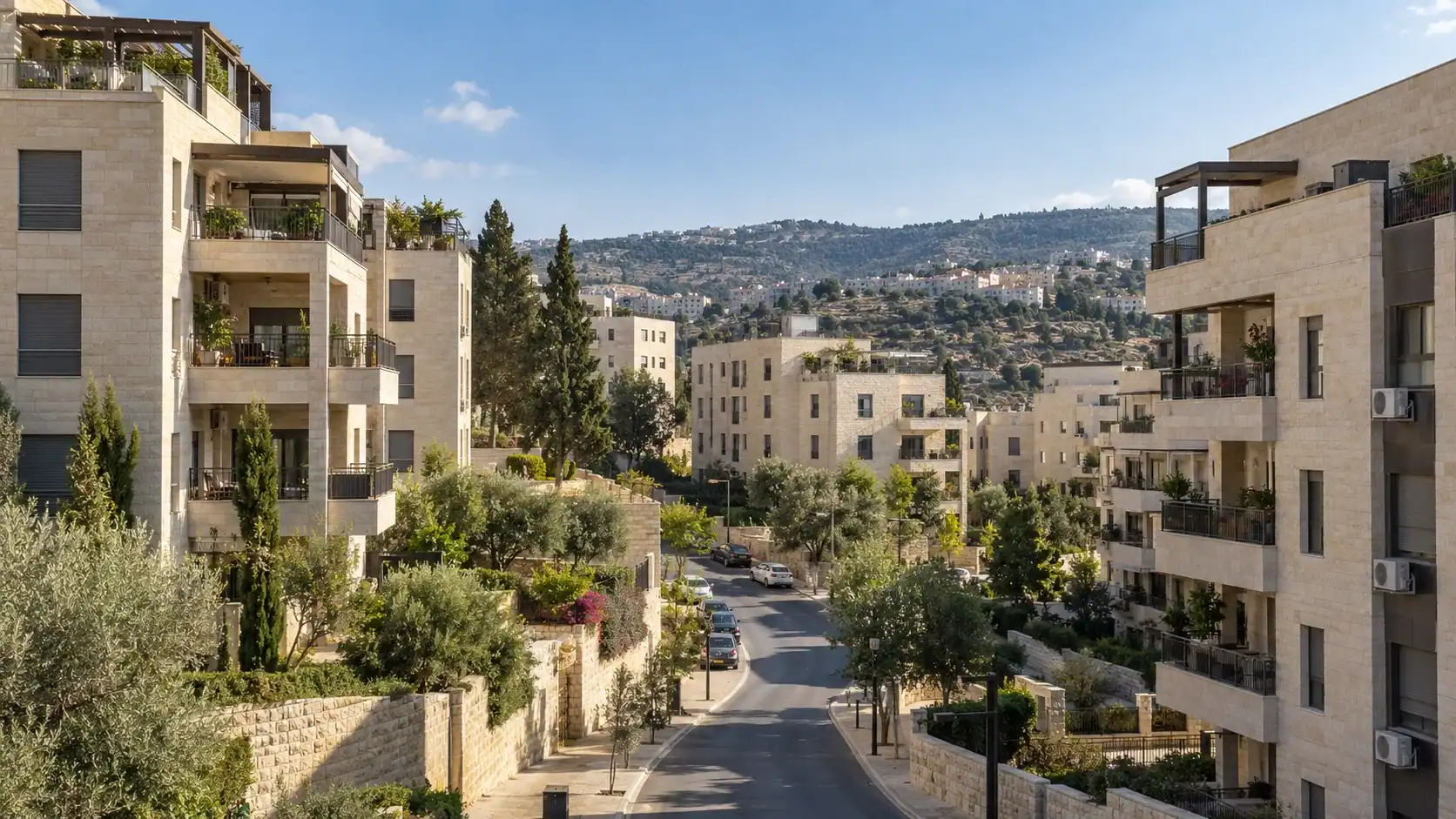
Tzfat (also called Safed) is one of Israel’s oldest and most magical cities — but it’s also quietly becoming one of its most interesting real estate markets. New projects are rising across its hills, blending spiritual history with modern living. This guide explains everything in simple, clear language, as if you’re learning about real estate for the first time.
1. What Makes Tzfat Special
Tzfat sits high in the mountains of the Galilee, surrounded by forests and views that stretch to Mount Meron. It’s famous for its ancient stone alleys, artists, and mystical atmosphere.
But in the last few years, the city has been growing fast. Developers are building new neighborhoods with modern apartments, elevators, and parking — things that old homes in Tzfat rarely have.
People move here because:
- It’s quiet, beautiful, and cooler than most Israeli cities.
- Apartments are more affordable than in Jerusalem or Tel Aviv.
- It’s becoming popular with families, retirees, and foreign buyers who want peace, community, and a view.
2. What Is a “New Project”?
A “new project” is just a brand-new building or neighborhood. Imagine a field or empty lot where a company builds new homes. That’s a new project.
When you buy in one, you’re usually buying from the builder, not from someone who already lives there. The building might still be under construction, so you’re paying for something that’s not ready yet — kind of like ordering a car that’s still being built.
The big advantage:
- A new home may use modern specifications, but defects and unfinished works remain possible; inspect it and preserve your statutory rights.
- Prices are usually lower at the beginning.
- You can sometimes choose tiles, kitchen style, or floor plan.
The risk:
- You have to wait (sometimes 2–3 years).
- The developer must finish what they promised — so always check who they are.
Identify the exact Tzfat project before comparing
Ganon Group identifies Nofei Bereshit in Tzfat; Tzfat Estates has its own developer project website. Confirm the precise developer, land and permit file, specification, unit and written offer. A marketing name alone does not establish an approved project, building programme or available home. This is general information, not legal or tax advice; confirm with a licensed professional.
4. Simple Meanings of Real Estate Words
| Word | What It Means | Example |
|---|---|---|
| Developer | The company that builds the project. | Like the chef who cooks the dish. You’re trusting their recipe. |
| Permit | Government permission to build. | Without it, construction isn’t legal. |
| Off-plan | Buying before the building is finished. | You see drawings and models instead of a real apartment. |
| Tabu | Israel’s official land registry. | Rights may require a Land Registry extract, an ILA rights record or an appropriate housing-company certificate; your lawyer should verify the applicable record. |
| Mas Rechisha | Tax you pay when you buy. | Usually 8–10 % for investors. |
| Tama 38 / Pinui Binui | Programs that rebuild or strengthen old buildings. | Not usually “new projects,” but worth knowing. |
| Va’ad Bayit | Building committee and monthly fee. | Pays for cleaning, lights, elevator, garden. |
| Tofes 4 | Paper showing the city approved the building for living. | Without it, you can’t move in. |
| Rental Yield | How much rent you earn compared to what you paid. | Buy for ₪1 million → rent ₪5 000 a month = 6 % yield. |
5. How to Choose a Good Project
A. Location
In Tzfat, even 100 meters can change your view completely.
- High spots = better air and scenery.
- Near the Old City = closer to culture and tourism.
- New neighborhoods = more parking, newer roads.
B. Developer Reputation
Ask:
- Have they finished other projects?
- Do people complain about delays or poor quality?
Good developers deliver on time and keep promises.
C. Legal Status
Always check that the project has permits and is listed in the city’s zoning plan.
If it’s missing, it might not be real yet.
D. Price and Payment
Developers often offer payment in stages:
- When you sign.
- When the building reaches the roof.
- When you get the keys.
Make sure you know the total cost, including taxes and lawyer fees.
E. Investment Potential
Tzfat has tourists all year, especially on holidays and weekends. Apartments with balconies, views, or near the Old City are easiest to rent.
6. Living vs. Investing
If You Want to Live There:
- Visit the neighborhood. Listen to the quiet.
- Meet the people. Is it a family area? Religious? Mixed?
- Focus on comfort, not just price.
If You Want to Invest:
- Compare the actual price, financing, linkage and execution risks; buying early does not guarantee a later price rise.
- Choose 3- or 4-room units (easiest to rent).
- Compare rent you’ll get vs. total costs.
7. Simple Buyer’s Checklist
☑ Check who the developer is.
☑ Confirm the building permit exists.
☑ Hire a local real-estate lawyer.
☑ Read the full payment schedule.
☑ Ask when “Tofes 4” will be ready.
☑ Calculate all taxes and fees.
☑ Compare prices per m² with nearby projects.
☑ Visit the site to see the view and access.
☑ Check the specific contractual delivery date, permit stage and delay terms.
☑ Keep copies of all signed documents.
8. The Bigger Picture
Tzfat is changing fast. It’s still spiritual, calm, and full of artists — but now it’s also growing upward. Buying a new apartment here means becoming part of that growth.
If you’re a first-time buyer, take it step by step.
If you’re an investor, look beyond the stone streets — the new neighborhoods on the hills are where tomorrow’s value is created.
In simple words: Tzfat’s new projects mix heaven’s view with earth’s opportunity.
Looking for the next step in Israeli real estate? You can browse homes for sale in Israel to see current, relevant options.
Want tailored help? Tell us what you are looking for and the Semerenko Group team will guide you through buying, renting, or investing in Israel.
2026 project verification notes for Tzfat buyers
- Nofei Bereshit: Ganon Group’s project page describes a Mitzpe HaYamim project with 13 buildings, most with about six residential floors, dual street-level entrances, no basement floors, and views toward the Kinneret, Galilee and Golan. Treat those as developer-marketing facts and verify the permit file, final specifications, delivery timing, parking, storage, garden attachment and current price directly before relying on any unit.
- Tzfat Estates: the official project site positions Tzfat Estates as a luxury Old City-edge project, with move-in marketed for 2027 and remaining large four-bedroom apartments advertised from NIS 4.69M. Use it as a luxury comparable, not as evidence for broad affordable Tzfat pricing.
- Project identity: Connect every offer to its exact developer, land and permit records before relying on a marketing name or proposed programme.
For live due diligence, start with the developer’s current price sheet and contract draft, then confirm planning status, title/land rights, bank accompaniment, payment schedule, linkage exposure and delivery penalties with an Israeli real-estate lawyer.
Research sources checked: Ganon Group Nofei Bereshit and Tzfat Estates official site.
Move-in timing checks for Tzfat projects
For any Tzfat project, do not rely on a generic move-in promise. Confirm the permit stage, bank accompaniment, payment schedule, linkage, delivery date, penalties, technical specification, parking/storage allocation, mamad or shelter solution, utilities handover and attorney review before treating a unit as ready for rent or occupancy.