The safest way to compare presale apartment projects in Israel is to evaluate the financing structure, developer track record, legal protections, neighborhood supply, and realistic delivery risks — not the showroom or brochure. Two projects with similar prices can carry completely different levels of financial, legal, and resale risk. Buyers should focus first on the applicable statutory payment security, permit status, delivery exposure, and long-term neighborhood quality before comparing finishes or incentives.

Why Presale Apartment Comparisons Are Difficult in Israel
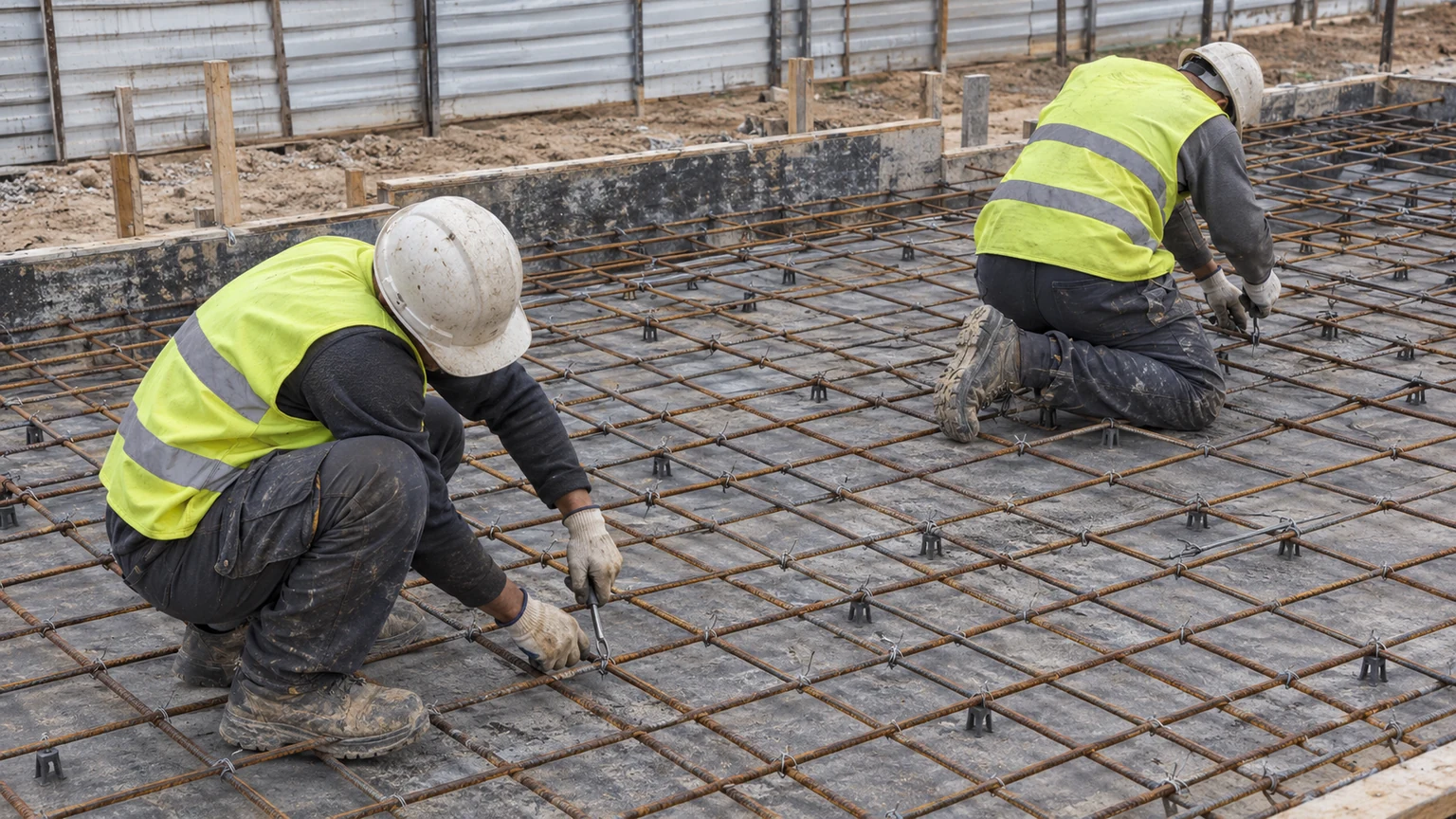
- Most projects are sold before construction is complete
- Marketing materials often show idealized renderings instead of final conditions
- Different developers structure contracts differently
- Neighborhood infrastructure may still be unfinished
- Prices can look similar while actual risk exposure differs significantly
- Foreign buyers often compare projects without understanding local planning realities
The First Thing Buyers Should Compare: Project Financing
Financial Accompaniment and Payment Security
- Establish whether the project has financial accompaniment and identify the actual provider
- Ask your independent lawyer to check the accompaniment documents and the provider’s authority for this project
- Identify the statutory security instrument that protects your payments; do not assume every project uses a bank guarantee
- Check the payment route, instrument terms and delivery exposure separately; accompaniment is not a promise that construction will finish on time
Four Financing Details to Confirm
- Who provides financial accompaniment, if any, and what documents confirm it
- Whether the required project payment-voucher route applies and how each payment is documented
- Which security instrument and issuer apply, and whether your lawyer has checked their legal scope
- Whether protections apply specifically to the purchased unit
For the detailed security routes and payment checks, use our buyer-protections and payment-flow guide. Keep that legal review alongside the physical project comparison below.
Building Permit Status Changes the Risk Level
Projects With Full Permits
- Usually carry lower uncertainty
- Construction timelines are easier to estimate
- Mortgage approval processes are often smoother
- Pricing may already reflect reduced risk
Projects Still Waiting for Final Permits
- Can face approval delays
- May encounter planning revisions
- Sometimes offer earlier pricing advantages
- Require greater buyer patience and flexibility
How Neighborhood Supply Affects Future Value
One Project Is Not the Whole Market
- Some buyers evaluate only the building itself instead of total nearby supply
- Thousands of planned units entering the same area can pressure resale competition
- Areas with excessive simultaneous construction may experience slower stabilization
- Rental competition may increase sharply in investor-heavy developments
Questions About the Surrounding Neighborhood
- How many additional buildings are planned nearby?
- Is transportation infrastructure already completed?
- Are schools, retail, and roads operational or only planned?
- Is the area primarily owner-occupied or investor-heavy?
Use the neighborhood planning-evidence record to compare nearby phases and infrastructure. Keep the documented planning status separate from the developer’s forecast for completion.
Why Developer Reputation Matters
Not All Contractors Carry Equal Execution Risk
- Large developers may have stronger financing access and operational systems
- Smaller developers may offer better boutique locations but higher dependency on sales pace
- Past delivery history matters more than advertising quality
- Repeated delays across older projects are a warning sign
Developer History Worth Researching
- Completed projects by the same developer
- Documented delivery delays
- Construction defect complaints
- Financial disclosures where available
- Litigation history connected to prior developments
Pricing Comparisons Often Mislead Buyers
A Lower Price May Reflect Higher Risk
- Longer delivery timelines
- Weaker location fundamentals
- Lower-quality specifications
- Higher future supply nearby
- Less established infrastructure
A Higher Price May Reflect
- More limited land availability
- Stronger long-term neighborhood demand
- Lower building density
- Established transportation access
- A stronger developer reputation
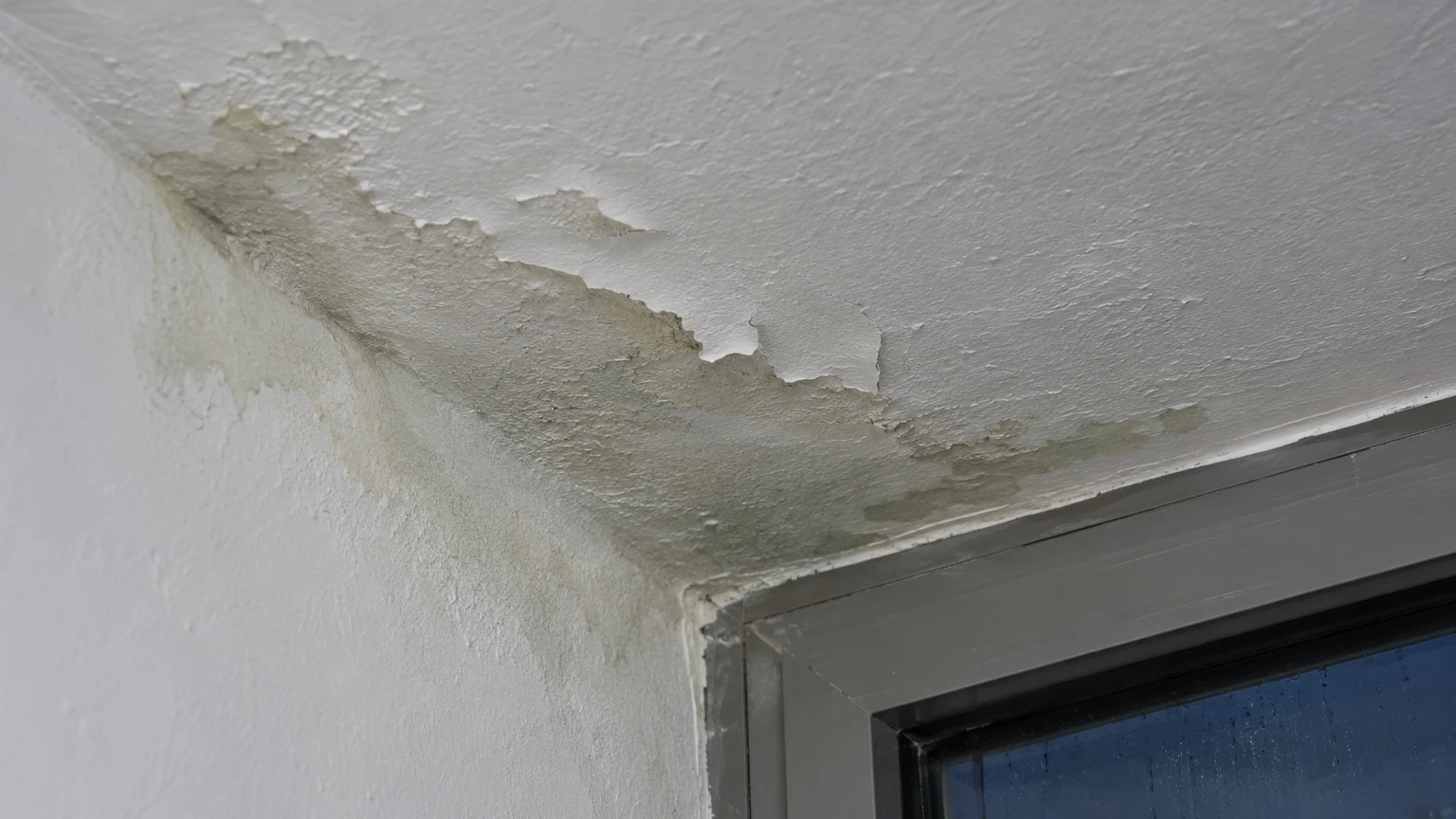
Construction Delays Are a Real Part of the Market
- Labor shortages have affected construction timelines across Israel
- Supply-chain disruptions continue to impact materials and scheduling
- Security conditions can affect work pace and staffing
- Many projects deliver later than initial marketing estimates
Why Delay Clauses Matter
- The contract should define delivery timing clearly
- Compensation terms for delays should be reviewed carefully
- Broad extension rights favor the developer
- Foreign buyers often underestimate the cost of extended temporary housing
Three Areas to Review Before Signing
Legal Protections
- Applicable statutory payment-security instrument
- Registration rights
- Payment schedules
- Delay compensation terms
- Technical specifications
Financial Exposure
- Construction input index linkage
- Upgrade pricing
- Purchase tax obligations
- Future maintenance fees
- Currency exposure for foreign buyers
Project Reality
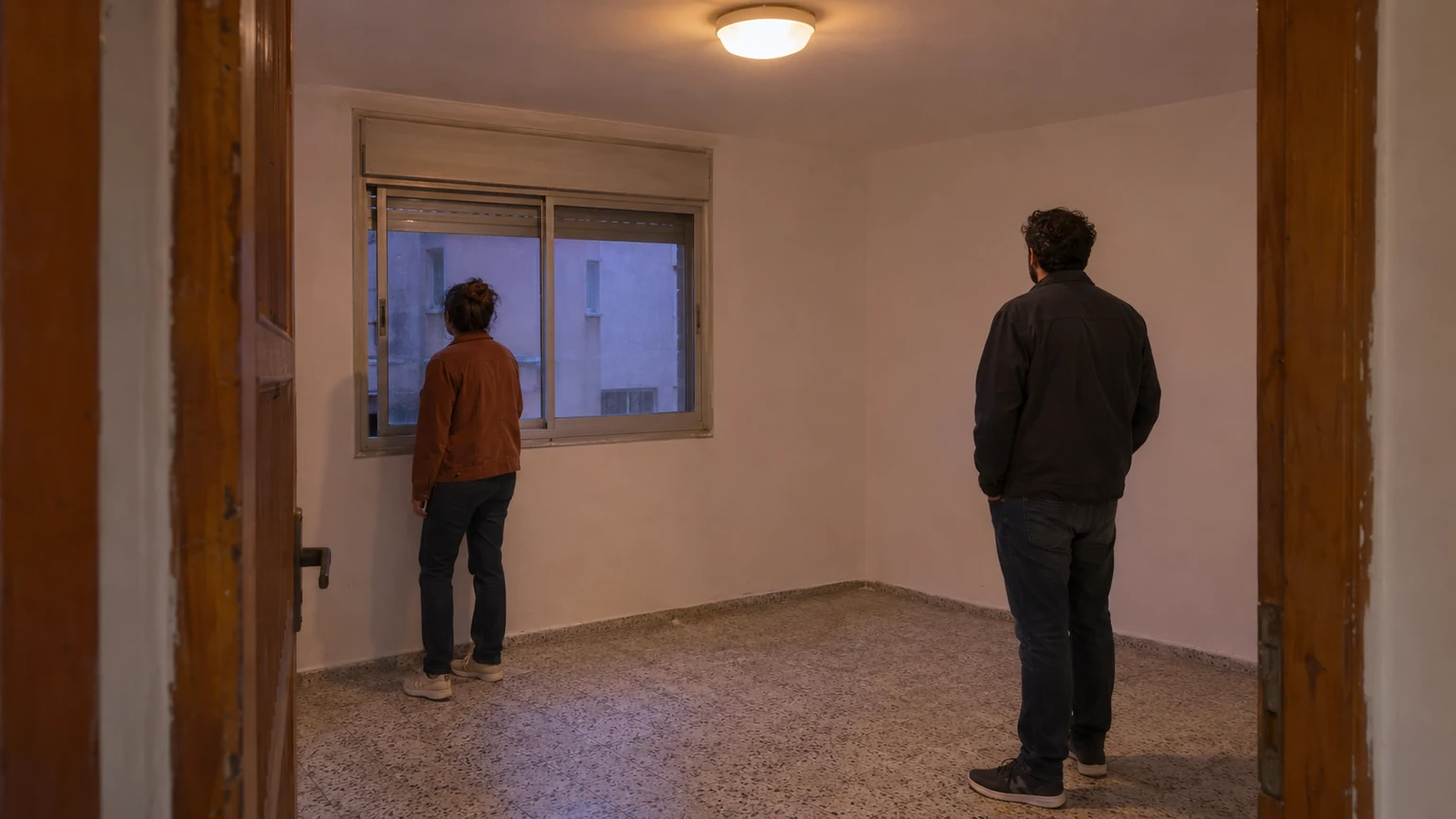
- Actual apartment orientation
- Distance from future towers
- Parking allocation
- Storage rights
- Expected density after full neighborhood completion
Apartment and Building Comparison Worksheet
Use this Semerenko Group worksheet for each shortlisted project and keep the apartment reference, document title, revision date and page beside every entry. Compare the same level of evidence: a signed specification, a dated plan, an observation from a visit or a sales statement should remain identifiable. Mark missing information as unconfirmed.
On narrow screens, scroll the table sideways to read every column.
| Compare | Record for each project | Check against |
|---|---|---|
| Apartment position and layout | Building and floor; total floors; orientation and ventilation; stated area; internal and external layout; passing foot traffic and privacy. Note nearby industrial uses, busy roads, waste installations and electrical facilities. | Apartment/floor/site plans and the specification; a site visit where access is permitted. Record the measurement basis rather than estimating area from a rendering. |
| Parking, storage and everyday access | Exact space and storage references; location and route to the lobby and elevator; distance you will actually walk. Record any stairs, gates or shared passage along that route. | Plans and the contract’s description of the rights. Walk or measure the route where possible; ask for clarification where construction prevents inspection. |
| Garden or roof attachments | Boundaries and stated area; shared installations or equipment serving other owners; access needed to maintain them; which gardens or courtyards may be attached to apartments and the maximum garden or courtyard area that may be attached. | The relevant plans, specification and contract. Ask your lawyer to distinguish an attachment or other use right from an amenity shown in sales material. |
| Common rooms and spaces | Number of apartments; areas of shared spaces; lobby; stroller room; shared storage; any other designated room; shared garden. | Building plans and specification. List a facility as unconfirmed until its location, stated area and status are documented. |
| Shared equipment and service rooms | Elevator count; locations of refuse, electrical and generator rooms; shared systems and infrastructure connections; maintenance arrangements to ask about. | Plans, system specifications and available operation/maintenance information. A listed system does not establish that it is already connected or operating. |
| Building-wide parking and storage | Total parking spaces compared with spaces attached to individual apartments; storage count and locations; whether the seller may sell several storage rooms together and whether combining them is proposed. | Parking/storage schedules and the relevant contract documents, checked with your lawyer. Do not infer a particular buyer’s entitlement from the building-wide total. |
| Garden and site work | Garden plan; paths; irrigation arrangements; planting; shared versus attached areas and the maintenance questions each creates. | Landscaping/site plans and specification. Compare what is stated for each project and leave undocumented planting or irrigation promises open. |
Use the specification’s own headings to compare structure and finishes, room materials, cabinets, doors, windows and shutters, sanitary and electrical installations, heating and cooling, fire-safety provisions, parking and site work, shared systems and infrastructure connections. These are fields to check in the actual documents; a generic form does not prove a particular project includes a feature. Our presale document checklist explains which documents to assemble before signing.
Keep three labels in your comparison: documented, observed and unconfirmed. Then list the questions for your lawyer, lender or technical professional. A shorter walking route or a preferred orientation may suit your household, but this worksheet does not establish measured area, ownership rights, a safety finding or future resale value. The physical checks follow the Ministry of Construction and Housing’s apartment-selection guidance, its building inventory and its garden and contract checks.
Ten Questions to Ask the Developer
- Does the project already have a valid building permit?
- Who provides financial accompaniment, if any, and what security protects this apartment’s payments?
- What exact guarantee structure protects buyer funds?
- What happens if delivery is delayed?
- How many units are planned in surrounding phases?
- Who manages the building after occupancy?
- What costs are linked to construction indices?
- What specifications are legally guaranteed?
- How many units remain unsold?
- What infrastructure is already operational nearby?
Seven Presale Mistakes That Cost Buyers Money
- Overpaying based on marketing instead of comparable transactions
- Buying in areas with excessive future supply
- Ignoring financing structure details
- Assuming delivery dates are fixed
- Failing to review technical specifications properly
- Using the developer’s lawyer instead of independent representation
- Underestimating long-term maintenance costs in large projects
Extra Risks for Overseas Presale Buyers in Israel
- Remote purchases reduce the ability to inspect project surroundings physically
- Marketing campaigns aimed abroad sometimes include pricing premiums
- Foreign buyers may misunderstand zoning and permit terminology
- Currency fluctuations can materially affect total acquisition cost
- Resale assumptions made abroad do not always match local demand patterns
Comparing specific projects? Send Semerenko Group the project names, apartment references and the plans or specifications you have. We can help organize the shortlist and the open questions to take to your independent lawyer, lender and technical adviser.
FAQ
Is buying presale in Israel protected by law?
- Israeli law permits several statutory forms of payment security. Have your independent lawyer check the applicable instrument, payment route, exact apartment, terms and triggers; bank accompaniment is not an automatic promise of completion.
Are delivery delays common in Israeli presale contracts?
- Yes. Delays are common enough that buyers should review compensation and extension clauses carefully before signing.
Should buyers prefer large developers?
- Large developers may provide stronger financing and operational stability, but buyers should still evaluate each project individually.
Why does neighborhood supply matter?
- Large future supply can affect resale competition, rental pricing, and long-term value growth.
Do foreign buyers need an independent lawyer?
- Yes. Buyers should use their own lawyer rather than relying on lawyers connected to the developer.
Sources for the Comparison Worksheet
Checklist source review: 27 October 2026. The ministry guidance supplies the practical checks; the specification orders supply document categories. Each property still requires its own records.
- Ministry of Construction and Housing: choosing the apartment and area
- Ministry of Construction and Housing: building facilities to check
- Ministry of Construction and Housing: contract, parking, storage and garden checks
- 2008 specification order, Part B inventory and 2015 replacement tables
Sources Used
- DDG Real Estate Insights — https://ddgil.com/insights/checklist-before-buying-new-apartment-israel
- Tivour Real Estate Guide — https://tivour.com/en/guide/acheter-sur-plan-projets-neufs-israel
- Ronkin Real Estate Legal Guide — https://ronkin-list.com/israeli-real-estate-law-buyers-guide/
- Ascend Israel Properties — https://ascendisraelproperties.com/articles/article_14_off_plan_vs_resale
- Lev Taieb Law — https://lt-law.co.il/en/guides/sale-law-apartments-complete-guide-for-apartment-buyers/
- Mishkan Israel — https://mishkan-israel.com/buyer-protections-under-israels-sale-law-what-every-overseas-purchaser-should-know/
- The Jerusalem Post — https://www.jpost.com/business-and-innovation/real-estate/article-863418
Explore current presale and new-build options on our New Projects in Israel hub.
Want help acting on this in Israel? Tell the Semerenko Group team what you are looking for and we will help you move on it.
This is general information, not legal or tax advice; confirm with a licensed professional.
Is this page useful?