Foreign residents bought 154 homes in Israel in September 2026, almost unchanged from 157 a year earlier, even as purchases across the broader investor market fell 29%. The Jerusalem area accounted for 54% of foreign-resident purchases. Those figures come from the Finance Ministry Chief Economist’s September review, whose official publication page was updated on 12 November.
| Purchaser group | September purchases |
|---|---|
| Foreign residents | 154, versus 157 a year earlier |
| All investors, including foreign residents | 849, down 29% from a year earlier |
Source: Finance Ministry, September 2026 review, pages 15 and 16. Foreign residents are included in the investor total; the two rows must not be added together.
Where are foreign residents buying?
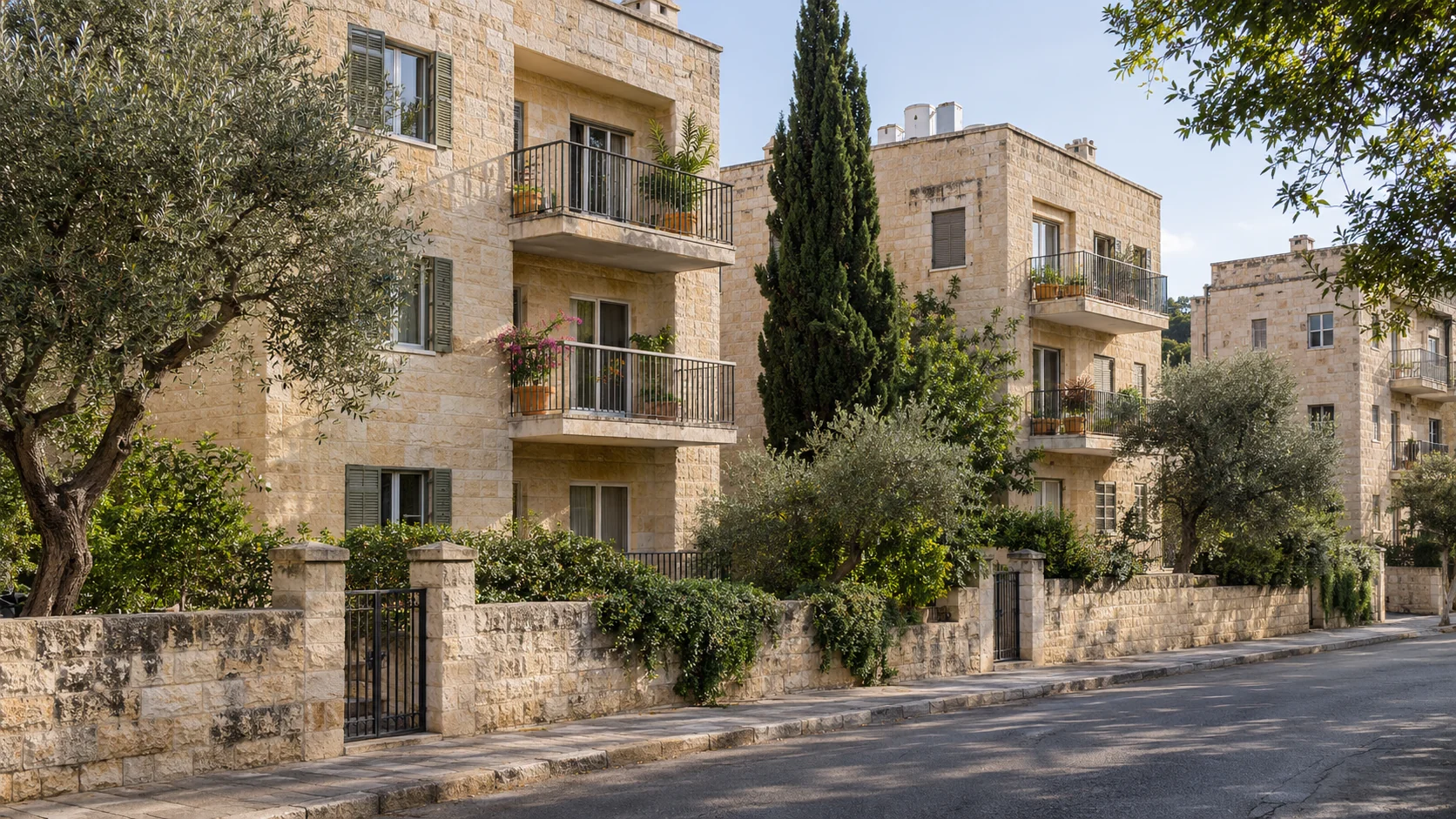
The Jerusalem area attracted more than half of these purchases, while the Tel Aviv and Netanya areas together accounted for a quarter. The report uses regional groupings. Its Jerusalem figure should not be read as a count confined to Jerusalem municipality or a particular neighbourhood.
For readers looking in the capital, that is a useful distinction. A strong regional share does not establish competition for an apartment in Baka, Rehavia or another individual neighbourhood. Semerenko Group’s Jerusalem neighbourhood guide can help narrow the search; the relevant comparison is still with homes that meet the buyer’s actual location and property requirements.
Which passport countries appear in the figures?
US passport holders accounted for 54% of foreign-resident purchases nationwide, French passport holders for 17% and British passport holders for 8%. These are shares of purchases classified by passport country, not a count of unique buyers or a measure of everyone moving to Israel.
The two 54% figures describe different things. One is Jerusalem’s regional share. The other is the US-passport share across Israel. The review does not establish that 54% of Jerusalem’s foreign-resident purchases were American.
Does September signal a new overseas buying wave?
The annual comparison gives little support for that conclusion. Purchases were close to the previous September’s level. The Treasury reports a 33% increase from August and describes the monthly rise as typical of the Tishrei holiday period. Nadlan Center also reported the contrast between stable foreign-resident buying and the weaker overall investor segment.
Foreign residents sold 35 homes during September, leaving net purchases of 119, compared with 103 a year earlier. That subtraction describes transactions. It does not establish how many homes became occupied, entered the rental market or were bought for future immigration.
Our reading is that this is a concentrated pocket of activity within a subdued investor market. It gives sellers a reason to understand overseas purchasers’ needs. It gives neither side a reliable forecast of next month’s prices.
How should buyers and sellers use the report?
A buyer visiting for a short period can use the regional picture to plan where to spend time, then compare a small set of genuinely similar homes. Record the floor, lift access, outdoor space, parking, condition and expected availability beside each asking price. A national purchase count cannot resolve those differences.
For sellers, a foreign-resident enquiry is an opportunity to establish the buyer’s requirements and timetable, not evidence that an above-market price will be accepted. Clear floor plans, current photographs and accurate property details are more useful than a claim that overseas demand is suddenly surging.
Renters should be equally cautious about reading purchase statistics as a change in rental supply. The report does not say which purchased homes will be offered for rent or when.
This Treasury breakdown answers a different question from our report on CBS new-home sales in the third quarter. That article examines sales by property type and district. This one examines purchaser groups during September. Keep the agency, period and geography attached to each figure before comparing them.
Sources
Finance Ministry: September 2026 residential property review, official page updated 12 November 2026; Finance Ministry: full November-dated report, particularly pages 15 and 16; Nadlan Center: Hebrew coverage dated 12 November 2026.
Common questions
Did foreign residents buy 54% of all homes in Jerusalem?
No. The Jerusalem area accounted for 54% of foreign-resident purchases across Israel. That is a different denominator from all local home sales.
Do these figures show how many people made aliyah?
No. They describe property transactions by foreign residents. They do not establish buyers’ immigration plans, language or intended use of the homes.
Is this page useful?