
The historical dataset estimates a standard home in Neve Sha'anan, Tel Aviv-Yafo, at ₪2,790,000 (about $895,954, £672,241, €803,618; Bank of Israel representative rates, 2026-10-21) to buy and ₪7,400/month to rent, giving an estimated gross yield of 3.19%.
Unverified historical estimates, not current market quotes. Source periods: sale 2025-03; rent 2025-06. Room counts are not bedroom counts; confirm the layout.
Tel Aviv projects and homes
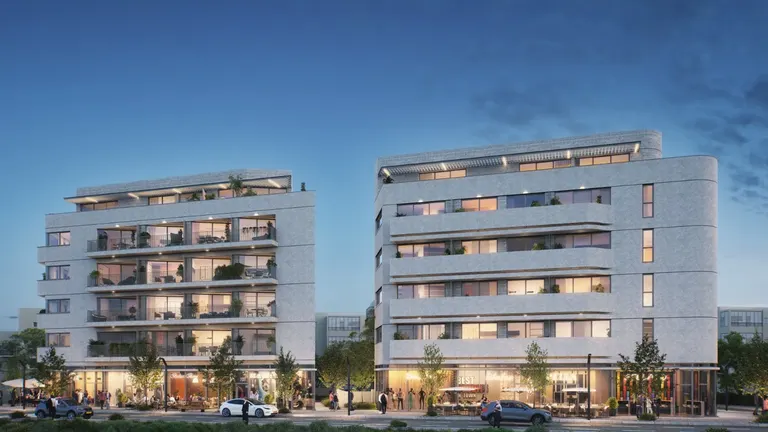
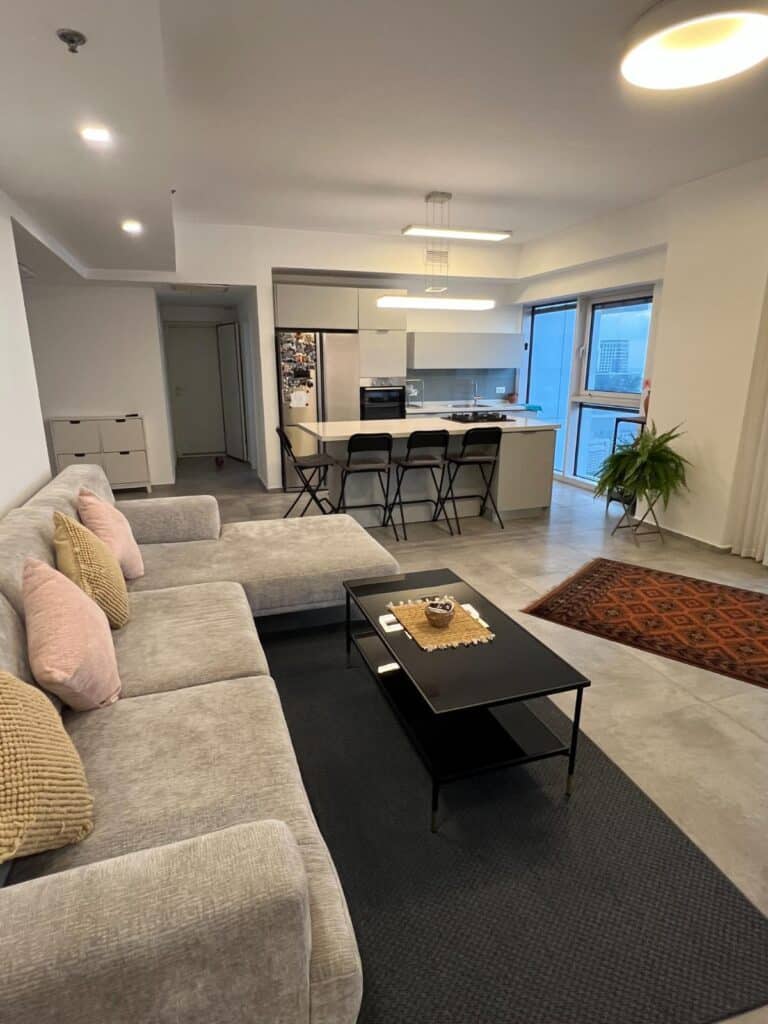
For Rent
40th-Floor Apartment for Rent in Midtown Towers, Tel Aviv
Tel Aviv
112 m² · Floor 40
View PropertyShort-term rental
central jaffa family summer house
ger tsedek 6, Florentin, Tel Aviv
160 m² · Ground Floor
View Property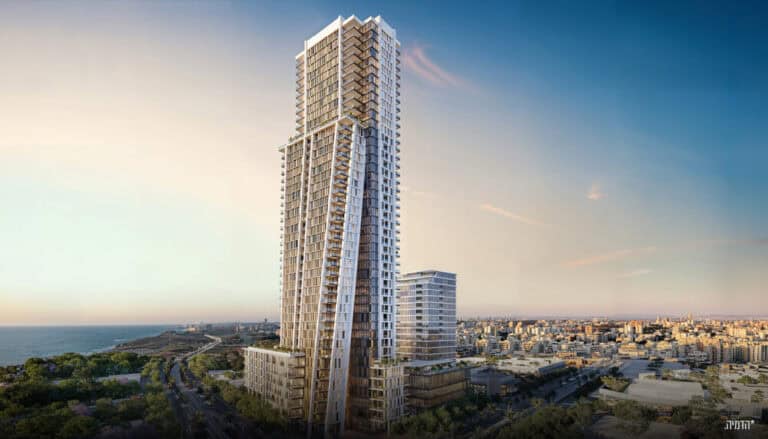
For Sale
₪6,650,000
Gindi VOGUE: 4-Room Apartment Rights Assignment in Sde Dov, Tel Aviv
Tel Aviv
4 rooms · 115.8 m² · Floor 2
View PropertyPrice & rent trend
View the data
| Year | Sale estimate | Rent estimate | Gross yield |
|---|---|---|---|
| 2025 | ₪2,570,000 | ₪6,800/mo | 3.19% |
| 2024 | ₪2,500,000 | ₪6,600/mo | 3.16% |
| 2023 | ₪2,080,000 | ₪6,700/mo | 3.89% |
| 2022 | ₪2,260,000 | ₪6,700/mo | 3.57% |
| 2021 | ₪1,890,000 | ₪5,200/mo | 3.26% |
| 2020 | ₪1,780,000 | ₪5,100/mo | 3.43% |
By apartment size
| Size | Sale estimate | Rent estimate | Gross yield |
|---|---|---|---|
| 3 rooms | ₪2,790,000 | ₪7,400/mo | 3.19% |
| 4 rooms | no data | ₪9,700/mo | no data |
| All sizes | ₪2,570,000 | ₪6,800/mo | 3.19% |
Schools, transport & amenities
What is within 500m - the day-to-day things renters, buyers and investors weigh.
Neve Sha'anan has 0 schools, 18 kindergartens, 95 bus stops, 7 health clinics (Clalit, Maccabi, Meuhedet), 2 pharmacies and 0 sports facilities within 500m. Source: GovMap (Survey of Israel), our analysis.
Neve Sha'anan today
Neve Sha'anan (נווה שאנן) in south Tel Aviv was founded in 1921 by the Neve Sha'anan association, a group of Jews from Jaffa looking for refuge from the crowding and the riots there. Architect Yosef Tischler laid it out in the shape of a seven-branched menorah, with Levinsky Street as the central stem. It grew into a busy working-class area known for trade, mainly in shoes, and then went through years of neglect. A recent Madlan feature, written with a developer building here, describes a decade of renewal that has drawn young people looking for relatively affordable homes close to the city centre, a mixed population of long-time residents, migrant communities, members of the LGBTQ community and young families, and dozens of cranes at work.
What is changing in Neve Sha'anan
Most of the change on the way is transport. NTA (נת"ע), the government company building the Tel Aviv light rail and metro, sets the timetables below and says its dates can change.
- Two light-rail lines. The Purple Line runs along Levinsky Street, where NTA is laying track, with stations at Ginat Levinsky, Neve Sha'anan and HaHagana. The Green Line runs along Har Zion Boulevard to a sunken Ginat Levinsky station between Levinsky and HaGdud HaIvri streets, where it drops into its tunnel toward the city centre, so the two lines meet at Ginat Levinsky. NTA's current timetables show the Purple Line opening in 2028, the southern part of the Green Line, from Rishon LeZion through Holon to Levinsky, in 2028, and the full Green Line in 2030.
- The metro. NTA lists HaHagana, next to Tel Aviv HaHagana railway station, as a station on the M1 metro line and on the Purple Line. The metro is further off: NTA's estimate puts the first stage of the metro in service in 2037, with later sections running into 2040.
- The New Central Bus Station. In April 2026 the National Infrastructure Committee (הוות"ל) decided to advance a plan for a temporary replacement bus terminal near Mikveh Israel, north of Holon, to take some of the buses that now end at the New Central Bus Station, according to a TheMarker report republished on gov.il. That is a step toward moving the station out, not a closing date, so check the latest decision before you buy on the strength of it.
- The old central bus station compound. The developers of the old central station compound say the Tel Aviv district planning committee has approved its plan, which combines homes, shops, offices, public buildings, preserved buildings and green space, with the Green Line running through the compound and a new permanent home for the Batsheva Dance Company (ynet, September 2026, republished on gov.il). Madlan also lists renewal planned at the HaHaresh compound by the Ayalon, on HaRakevet Street next to the Electra Tower and around Levinsky Street beside the New Central Bus Station. Plans like these change in committee, so look up the exact plan on the Planning Administration's iplan site before you rely on it.
The Madlan feature also lists what is within walking distance of the Ein HaKoreh Street area: the Levinsky market, Gan HaHashmal, Rothschild Boulevard, the Neve Sha'anan pedestrian mall, the future Purple and Green Line interchange and Tel Aviv HaHagana railway station, with the La Guardia interchange on the Ayalon a few minutes' drive away. For how new lines tend to affect prices and rents, see our guide to the light rail and real estate and our article on how the Tel Aviv metro could reshape real estate.
