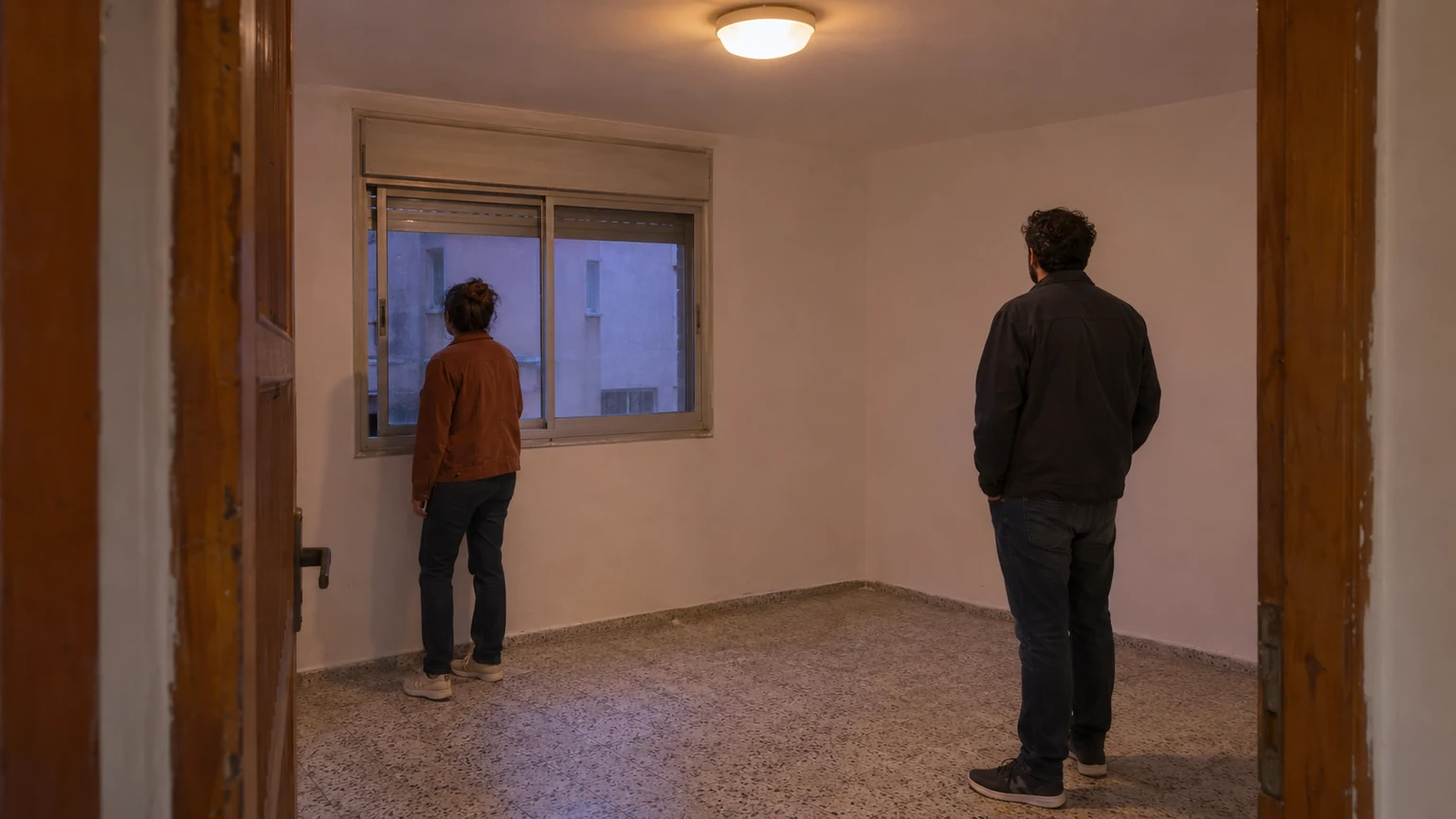
A budget of ₪3,000 to ₪5,000 a month usually rents an older or smaller home, ₪5,000 to ₪8,000 the mainstream long-term apartment, and ₪8,000 and up prime locations and newer towers. These bands are illustrations, not market data: the current rent figures by city sit in the dated table on our guide to average rent and monthly costs in Israel. Read them as rough steps on a ladder, then check them against that table for the city you want.
What does a budget of ₪3,000 to ₪5,000 rent in Israel?
It rents an older or smaller home, mostly outside the expensive centre. In this band you are usually choosing between age, size and location, and you rarely get all three.
- Older apartments in Haifa, Be’er Sheva, Ashdod, or peripheral areas
- Small apartments or divided units in central cities
- Limited inventory in Tel Aviv or Jerusalem unless you share or rent older stock
- Usually older buildings without elevators, parking, or modern safe rooms
- Strong competition from students, young professionals, and lower-budget families
What does a budget of ₪5,000 to ₪8,000 rent?
It rents the mainstream long-term home that most families and professionals look for. This is the band where choice opens up, and it is also the typical range for English-speaking renters relocating to Israel outside prime luxury areas.
- Two-room to four-room apartments in Jerusalem, Netanya, Petah Tikva, Rishon Lezion, or Haifa
- Older but livable apartments in Tel Aviv
- Growing availability of renovated units with an elevator or a mamad (safe room)
What does ₪8,000 to ₪15,000 or more rent?
It rents the top of the market: prime locations, newer buildings and services. At this level you are paying for the address and the amenities as much as for the square metres.
- Prime central Tel Aviv locations
- Sea-view apartments in Herzliya, Netanya, or Tel Aviv
- Luxury towers with parking, gyms, concierge services, and security
- Large family apartments in high-demand Jerusalem neighborhoods
- Modern furnished rentals targeting foreign residents or relocation clients
How far does the same budget go in each city?
The same budget buys a very different home depending on the city, so compare it with the dated city table in our average rent and costs guide before you set a target. For the wider cost picture, see our guide to everyday costs in Israel.
Tel Aviv
Tel Aviv is one of the most expensive long-term rental markets, so a mid-range budget buys the oldest or smallest homes here.
- Strong demand from tech workers, foreign residents, diplomats, and students
- Older apartments often command high prices purely because of location
- Parking, elevators, balconies, and safe rooms materially change pricing
- Correctly priced apartments move fast
Jerusalem
Jerusalem rents vary heavily by neighborhood.
- Strong Anglo demand in neighborhoods such as Rehavia, Baka, Arnona, and German Colony
- Religious school proximity influences family rental demand
- Short-term furnished demand affects pricing in some central areas
- Inventory can tighten before academic and holiday seasons
Haifa
Haifa rents are lower than in central Israel.
- Strong student and medical-sector tenant base
- Building condition varies significantly between neighborhoods
- Steep topography and parking access matter more than many foreign renters expect
Netanya
In Netanya the sea view and the building age move the price a long way between nearby buildings.
- Popular among French and Anglo renters
- Sea-view inventory creates major pricing gaps between nearby buildings
- Elevator buildings and newer towers command significant premiums
Be’er Sheva
Be’er Sheva is a lower-entry-cost rental market, and the neighborhood matters heavily.
- Strong student demand near Ben-Gurion University
- Neighborhood selection matters heavily for tenant quality and stability
To pick the area inside a city, read how to choose a neighborhood to rent in. To see where listings are published, see where to search for rentals.
Which costs sit on top of the rent in your budget?
Four costs sit on top of the rent, so leave room for them in your monthly figure. Our guide to the total monthly rental cost adds them up.
- Arnona: the municipal property tax, paid by tenants in most rentals. It varies by municipality, apartment size and neighborhood.
- Vaad bayit: the building maintenance fee. It is modest in older buildings and higher in towers with gyms, pools, parking systems and security staff.
- Utilities: electricity rises in summer, especially with air conditioning and electric water heating.
- Broker fee: often one month’s rent plus VAT, which foreign renters frequently underestimate.
What do foreign and Anglo renters often misjudge about their budget?
They judge the apartment by finishes and underestimate size, condition and practicality.
- Israeli room counts differ from North American definitions
- Unfurnished apartments may lack appliances or lighting fixtures
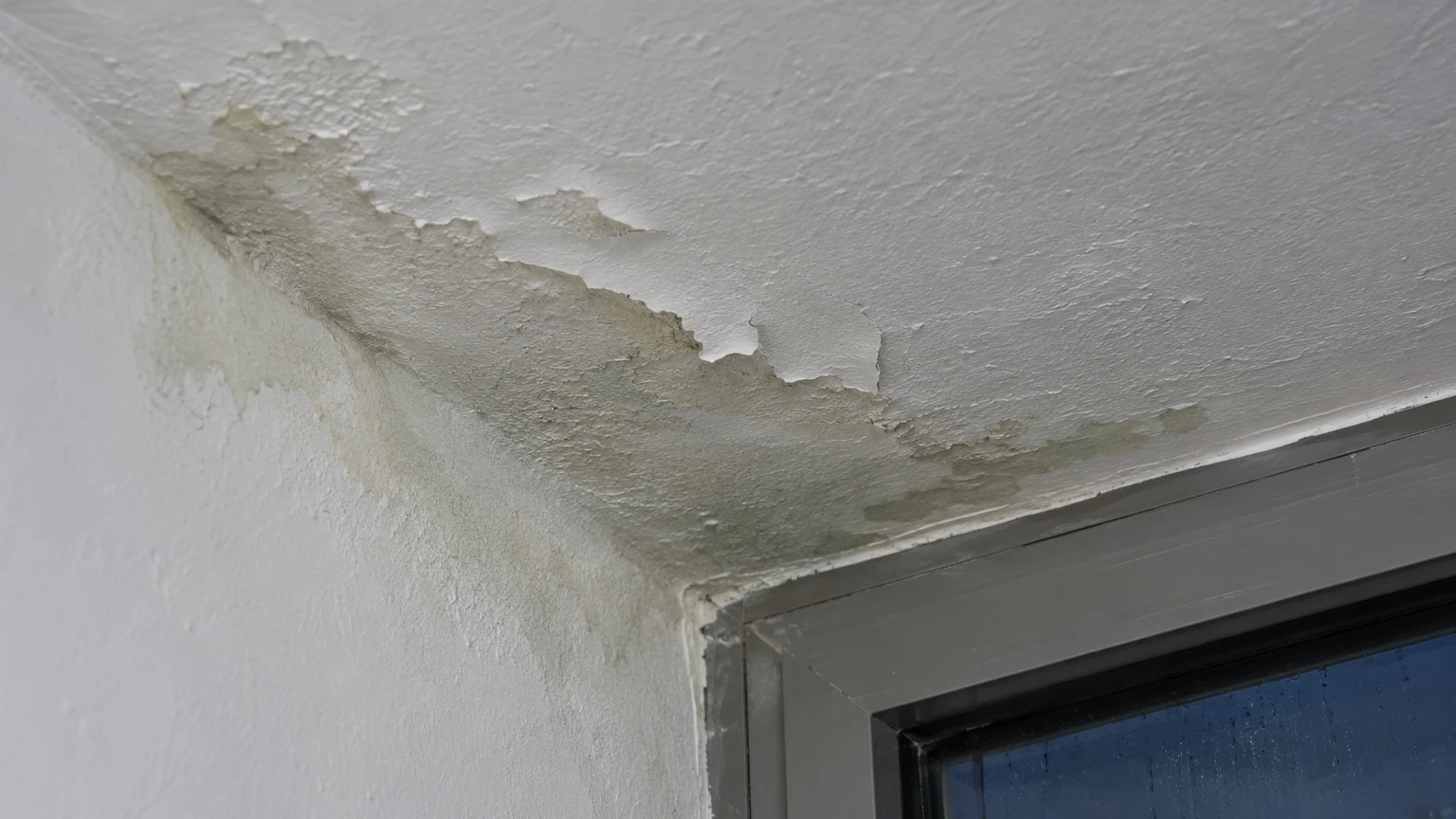
- Older buildings can look acceptable online but need substantial maintenance
- Safe rooms became materially more important after recent security periods
- Parking shortages are common in central areas
What should you ask before signing a lease?
Ask these nine questions, because the answers decide whether the budget really works.
- Does the apartment include a mamad (safe room)?
- Who pays for repairs and appliance replacement?
- How much are arnona and vaad bayit monthly?
- Is parking registered, shared, or unavailable?
- What furnishing is actually included?
- Has the building undergone urban renewal or major repairs?
- How old are the plumbing and electrical systems?
- What is the landlord’s renewal policy?
- Is the apartment legally divided or fully registered?
What does this mean for investors?
A high rent is not automatically a good investment, because tenant depth and vacancy risk matter more than the headline figure.
- Tel Aviv rents are high, but purchase prices are also very high, so yield may stay modest
- Apartments aimed at ordinary long-term renters often carry lower vacancy risk than luxury oversized units
- Buildings without elevators or safe rooms may become harder to rent over time
- Neighborhoods near universities, hospitals, transport or employment centers often keep deeper tenant pools
The Israeli rental market is fragmented. Two apartments on the same street can price very differently because of elevator access, safe room, renovation level, parking or building condition. If you are looking for a rental, send Semerenko Group your brief and we will help you understand what is realistic for your budget. You can also browse our Rent in Israel hub, see the rent price pages, or read about the types of rentals in Israel.
Frequently asked questions
How much rent do you need for a decent apartment in Israel?
It depends on the city, so start from the dated city table in our average rent and costs guide. As a rough ladder, the bands on this page run from older or smaller homes at the low end to prime locations and towers at the top.
Which city has the highest rent in Israel?
Tel Aviv is among the most expensive major long-term rental markets, and its prime neighborhoods and newest towers cost the most. The dated city table in our average rent and costs guide shows how the cities compare.
Are Israeli rentals furnished or only partly?
Partly furnished rentals are common. Fully furnished apartments are more typical in short-term or foreign-renter-focused markets.
Do tenants pay arnona in Israel?
In most long-term rentals, the tenant pays arnona directly to the municipality. See our guide to arnona.
Is a broker fee normal in Israel rentals?
Yes. Many rentals involve a broker fee, commonly around one month’s rent plus VAT.
What apartment types rent fastest?
Well-located 2-bedroom apartments with practical layouts, elevators and safe rooms often keep broad tenant demand.
Sources
- Central Bureau of Statistics (Israel), Housing and Rental Data: https://www.cbs.gov.il
- CEIC Data, Israel Rental Prices ([CEIC Data]): https://www.ceicdata.com/en/israel/average-rental-price-dwellings/rental-prices-avg
- Globes English, Israel Rental Market Reporting: https://en.globes.co.il
- Times of Israel, Israel Housing Market Coverage ([The Times of Israel]): https://www.timesofisrael.com
- Global Property Guide, Israel Rental Market Data: https://www.globalpropertyguide.com/middle-east/israel/rent
Related pages
- Average rent and costs in Israel by city
- Total monthly rental cost
- How to choose a neighborhood to rent in
- Where to search for rentals
- Rent in Israel hub
Want help acting on this in Israel? Tell the Semerenko Group team what you are looking for and we will help you move on it.
Semerenko Group is the English-first real estate platform for Israel. We combine property information, official market data and tools with representation, negotiation, mortgage and legal coordination, and property management for buyers, renters, sellers and investors.
Published by Semerenko Group under the professional supervision of licensed Israeli real-estate broker Pinhas Menachem Reiss (License #324150). We work with owners, brokers, brokerages and developers across Israel. This is general information, not legal or tax advice; confirm with a licensed professional.
Is this page useful?