Hadera is no longer only an older coastal city between Tel Aviv and Haifa. It is becoming a development market.
Coastal construction, mixed-use plans and urban renewal are factors to investigate in Hadera. They do not establish that a particular apartment is underpriced or that future development will raise its resale value.
That gap is where pre sale buyers should look.
Not every coastal plan is approved or funded. Compare the exact project with completed-home alternatives; a presale may cost more or less after financing, index linkage, delays and transaction costs.
Why Hadera Is Becoming More Interesting
Hadera has three forces working together.
First, it has coastline. Coastal land in Israel is limited. Once a city begins converting older or underused coastal areas into modern residential neighborhoods, the market often starts to reprice the location.
Second, Hadera sits between Tel Aviv and Haifa. Its investment case is not that it becomes Tel Aviv. Its case is that buyers priced out of stronger coastal markets may look for a lower entry point with improving infrastructure and new construction.
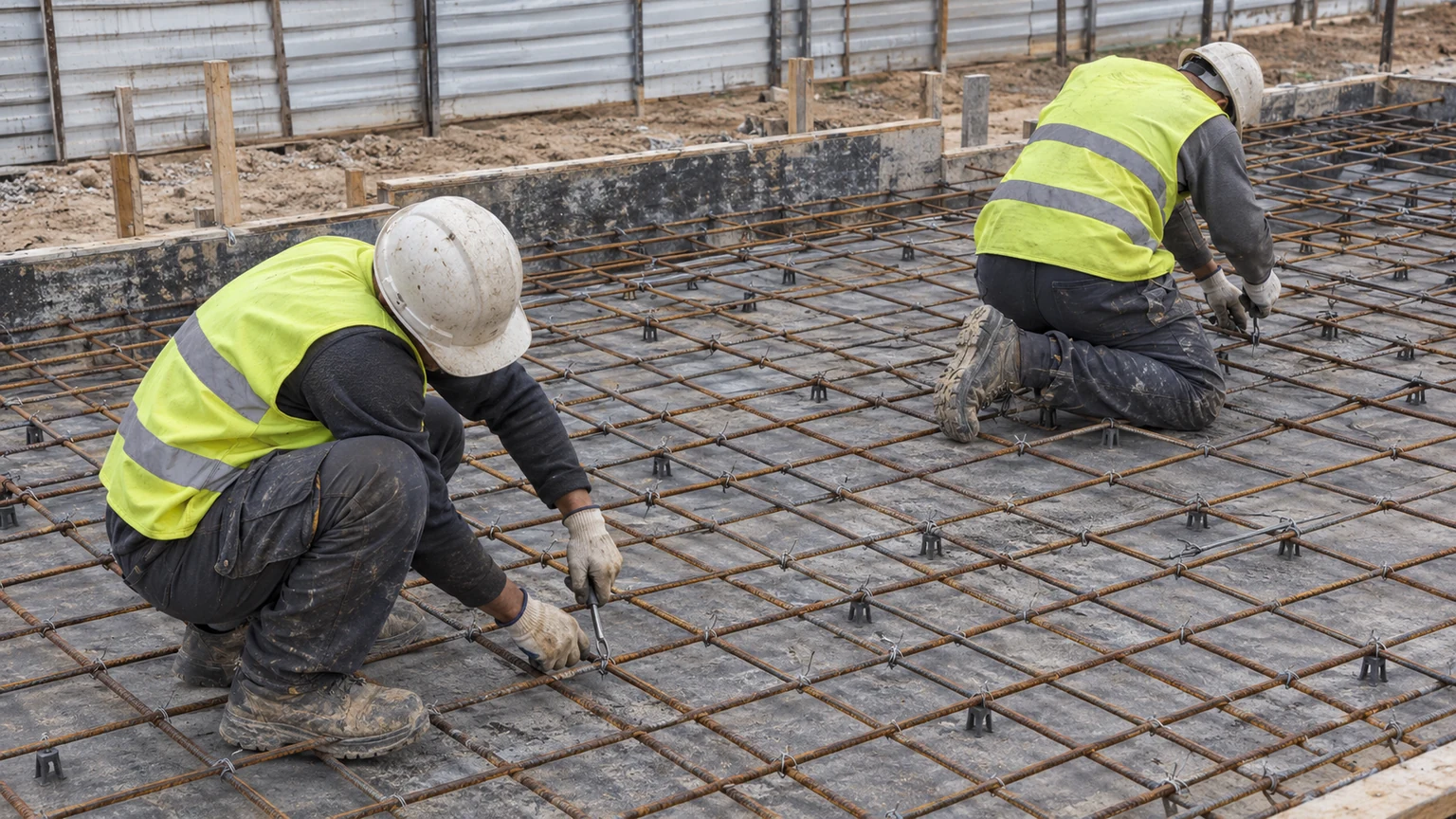
Third, the city is already showing real building momentum. Hadera has active coastal tower projects, large planning frameworks, and urban renewal approvals moving through the market.
Check the Actual Presale Price
No verified current citywide presale price range is established here. Obtain dated written offers and compare relevant recorded transactions, apartment area definitions, specification and total costs.
A city comparison does not prove that a particular Hadera unit is cheaper or better value. Compare equivalent properties and assess the project on its own terms.
The Unit Type With Broad Resale Demand
The strongest pre sale unit in Hadera should usually have 3 to 4 rooms, 75 to 110 sqm, a middle to high floor, balcony, mamad, parking, storage, and a clean layout with broad resale demand.
The safest unit is not always the luxury penthouse. The safest unit is the one the next buyer can understand in five seconds.
Warning Signs in a Hadera Pre Sale
Avoid buying only because the brochure looks beautiful.
- Weak developer history
- No clear permit status
- Confusing payment schedule
- Too much construction index exposure
- Bad floor or bad air direction
- Layout with wasted meters
- Heavy road noise
- Land marketed as if it is the same as a permitted apartment
Buying Before the Towers Are Visible
Buying before completion creates construction, timing and financing exposure; an eventual price gain is uncertain.
Completion of buildings and public infrastructure may change buyer demand, but plans can be delayed and prices can fall. Check the approved works, funding, delivery obligations and competing supply.
A presale involves time and construction risk. A lower entry price than a comparable completed apartment is something to verify, not a guaranteed benefit.
New Neighborhoods Planned in North Hadera
Competing supply is part of the price check, and Hadera has a large state-led plan in the pipeline. Complex 13 (מתחם 13) is a new neighborhood in the north of the city, promoted by the Israel Land Authority with the Hadera municipality. The Haifa district planning committee decided to deposit it on 26 November 2025, and once the deposit conditions were met it was published for public objections; the authority announced the deposit in June 2026. The plan covers about 310 dunam (1 dunam is 1,000 sqm), mostly state land, with about 3,000 homes in buildings of 8 to 16 floors, public buildings, shops and employment space, and a neighborhood park along a local stream that drains into Nahal Hadera.
A deposited plan can still change after objections, and it has to be given validity (מתן תוקף, matan tokef) before building permits follow. So Complex 13 is a supply signal, not homes you can buy now. It still matters if a presale price assumes strong resale demand: ask which other neighborhoods could be finishing around the time your building is delivered. Our guide to new neighborhood plans shows how to tell a deposited plan from an approved one.
Mitcham 24: a bigger plan that has been in the pipeline for years
Complex 13 is not the only large plan. Mitcham 24 (מתחם 24, plan 302-0415265 in the national planning database) is a detailed plan for a new Hadera neighborhood of about 4,900 homes on about 794 dunam, with special housing, shops and employment space, public buildings, parks and open space. Its record shows how slowly a plan becomes apartments. It was submitted in August 2020, discussed for deposit in April 2021 and published for objections in May 2023. When we checked the planning database on 30 October 2026, it was still listed as in the approval process, with no validity published. Building permits come only after that, and then the infrastructure and the buildings still have to be built.
So if a Hadera price is justified by “the new neighborhood next door”, look up that plan’s status yourself on the plan’s page on the planning database (Mavat), and don’t pay extra today for homes that exist only on paper.
Source: Planning Administration, national planning database (Xplan and Mavat), plan 302-0415265 “מתחם 24 – חדרה”, checked 30 Oct 2026.
Developer Check
Before reserving a unit, check the developer harder than the apartment.
- Has the developer delivered similar projects before?
- Is there a valid building permit?
- Which bank is financing the project?
- Are buyer payments protected?
- What is the delivery date?
- What happens if delivery is delayed?
- How much of the price is linked to the construction index?
- What exactly is included in the specification?
- Can the unit be rented or resold easily after delivery?
The developer is the deal. The apartment is only the product.
Who Should Buy a Hadera Pre Sale
Hadera pre sale works best for a buyer who can wait.
This is not for someone who needs immediate rent next month. This is for someone who wants to enter before completion, spread payments across construction milestones, and hold through delivery.
- Investor looking for medium term appreciation
- Buyer priced out of stronger coastal cities
- Family planning ahead
- Overseas buyer wanting coastal Israel exposure at a lower entry point
- Buyer who wants new construction without paying full finished apartment pricing immediately
When a Hadera Pre Sale Makes Sense
Buy pre sale units in Hadera if the project is real, the developer is strong, the payment schedule is manageable, and the unit has clear resale logic.
The investment case depends on the actual price, lawful project status, delivery risks and demonstrated demand.
The risk is buying a story instead of a verified project.
The right move is to reserve early phase pricing only after checking permit status, developer execution, bank guarantees, layout, floor, direction, and total cost.
Reserve Early Phase Pricing Only After Checks
Consider a reservation only after legal and planning checks, written price and payment terms, buyer-payment protection and an affordable downside budget. Construction progress does not guarantee that a pricing advantage exists or will disappear.
When you are ready to compare live options, start with the buy property in Israel hub.
Planning a move in Israel? Tell Semerenko Group what you are looking for and get a tailored shortlist.
Related guides
- Most Affordable Places to Buy in Israel (2026)
- Top Quality-of-Life Cities in Israel
- Givat Olga Family Homes
Semerenko Group is the English-first real estate platform for Israel. We combine property information, official market data and tools with representation, negotiation, mortgage and legal coordination, and property management for buyers, renters, sellers and investors.
Published by Semerenko Group under the professional supervision of licensed Israeli real-estate broker Pinhas Menachem Reiss (License #324150). We work with owners, brokers, brokerages and developers across Israel. This is general information, not legal or tax advice; confirm with a licensed professional.
Is this page useful?