
The historical dataset estimates a standard home in Nahalat Yitzhak, Tel Aviv-Yafo, at ₪4,550,000 (about $1,461,143, £1,096,306, €1,310,559; Bank of Israel representative rates, 2026-10-21) to buy and ₪9,000/month to rent, giving an estimated gross yield of 2.38%.
Unverified historical estimates, not current market quotes. Source periods: sale 2025-03; rent 2025-06. Room counts are not bedroom counts; confirm the layout.
Tel Aviv projects and homes

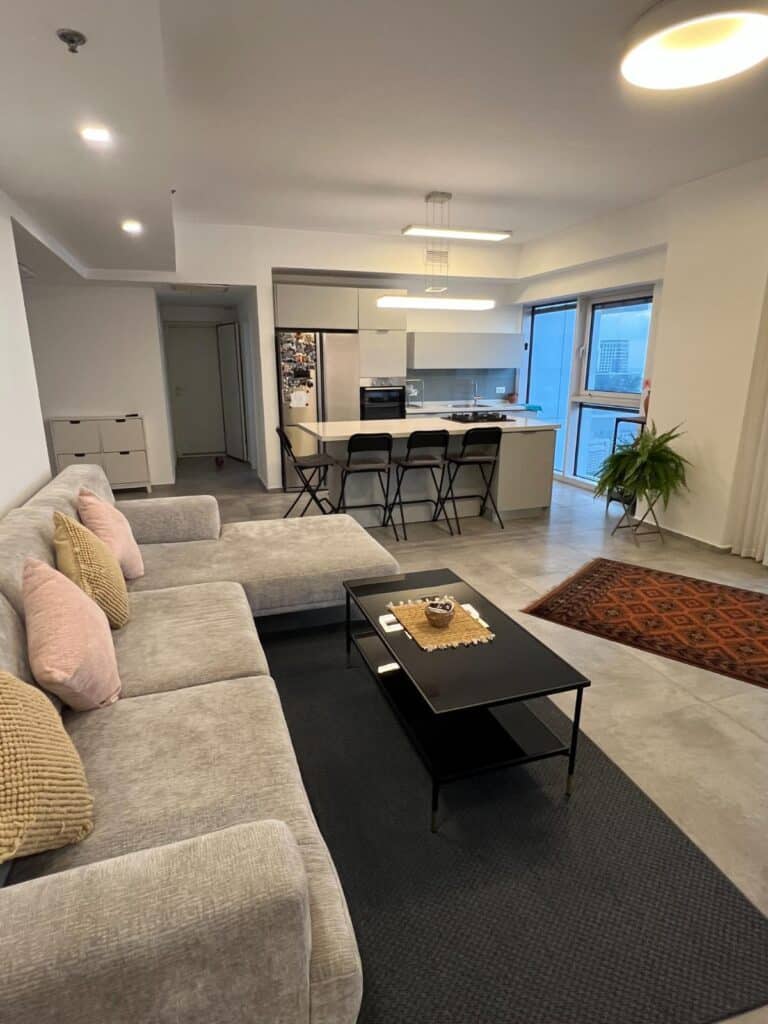
For Rent
40th-Floor Apartment for Rent in Midtown Towers, Tel Aviv
Tel Aviv
112 m² · Floor 40
View PropertyShort-term rental
central jaffa family summer house
ger tsedek 6, Florentin, Tel Aviv
160 m² · Ground Floor
View Property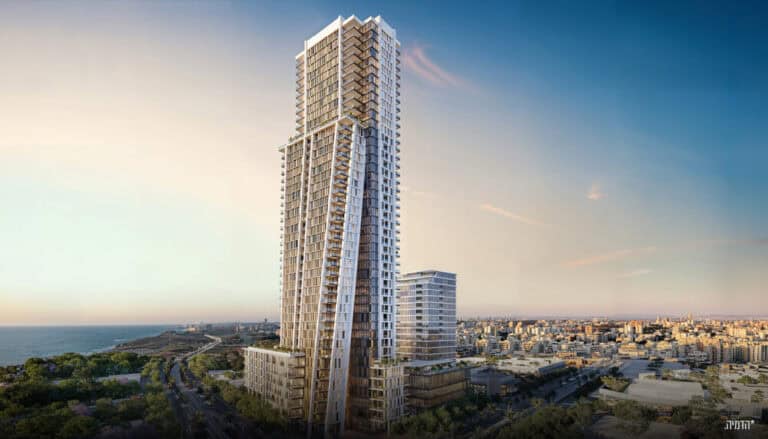
For Sale
₪6,650,000
Gindi VOGUE: 4-Room Apartment Rights Assignment in Sde Dov, Tel Aviv
Tel Aviv
4 rooms · 115.8 m² · Floor 2
View PropertyPrice & rent trend
View the data
| Year | Sale estimate | Rent estimate | Gross yield |
|---|---|---|---|
| 2025 | ₪3,590,000 | ₪8,300/mo | 2.76% |
| 2024 | ₪4,000,000 | ₪8,300/mo | 2.48% |
| 2023 | ₪4,200,000 | ₪8,400/mo | 2.41% |
| 2022 | ₪3,970,000 | ₪8,400/mo | 2.54% |
| 2021 | ₪3,210,000 | ₪7,200/mo | 2.7% |
| 2020 | ₪2,950,000 | ₪6,800/mo | 2.77% |
By apartment size
| Size | Sale estimate | Rent estimate | Gross yield |
|---|---|---|---|
| 3 rooms | ₪3,820,000 | ₪7,900/mo | 2.47% |
| 4 rooms | ₪4,550,000 | ₪9,000/mo | 2.38% |
| 5 rooms | ₪6,010,000 | ₪10,600/mo | 2.12% |
| All sizes | ₪3,590,000 | ₪8,000/mo | 2.66% |
Schools, transport & amenities
What is within 500m - the day-to-day things renters, buyers and investors weigh.
Nahalat Yitzhak has 1 schools (primary), 14 kindergartens, 14 bus stops, 33 health clinics (Clalit, Leumit, Maccabi, Meuhedet), 6 pharmacies and 5 sports facilities within 500m. Source: GovMap (Survey of Israel), our analysis.
What Nahalat Yitzhak is like
Nahalat Yitzhak (נחלת יצחק) is a quiet, older neighbourhood on the east bank of the Ayalon in Tel Aviv, next door to Givatayim and its Borochov neighbourhood. It was founded in 1925 by Jews from Kovno (Kaunas) and named after Rabbi Yitzhak Elchanan Spektor, Kovno's chief rabbi. It began as a farming settlement where homes with small plots stood beside fairly large factories, among them the Tara dairy and the Yitzhar oil works. Today most of it is older apartment buildings of 3 to 4 storeys, with a renewing industrial and office area to the south.
Two Madlan features (one written with developers marketing a project here, the other a project round-up) say its central location and relatively moderate prices for Tel Aviv draw young families and downsizers, meaning couples with grown children who want to live in the city, and that this has brought many cafés and restaurants. Check the price claim against the recorded sales above rather than taking it on trust. The neighbourhood is close to a lot of jobs: the Yigal Alon high-tech towers, Azrieli Center and Midtown are within walking distance, and the Bursa (diamond exchange) district in Ramat Gan is a walk or a short ride.
Getting across the Ayalon
The Ayalon highway splits Tel Aviv into east and west, but Nahalat Yitzhak has several crossings: the HaShalom, Moses and Arvei Nahal bridges, and the Yehudit bridge for pedestrians and cyclists only. Madlan also reported a new bridge from Emek Bracha Street for cars, cyclists and pedestrians, then under construction and expected in 2025. We could not confirm that it has opened, so check before you count on it. Bus service is frequent, and Tel Aviv HaShalom railway station is a short walk away.
HaShalom is also where two metro lines will meet. NTA (נת"ע), the government company building the Tel Aviv light rail and metro, lists HaShalom as a station on both the M1 and M2 metro lines, and the Red Line light rail already runs past Azrieli Center, just across the Ayalon. The metro is still years away: NTA's estimate puts the first stage of the metro in service in 2037, with later sections running into 2040, and NTA says the dates can change. Our article on how the Tel Aviv metro could reshape real estate covers what that can mean for prices.
What is being built around it
The same Madlan features list large developments planned around the neighbourhood: office and residential towers along Yigal Alon Street, homes and offices south of Nahalat Yitzhak Street, including the former Ta'as (Israel Military Industries) HaShalom site, which was going through soil and water decontamination, towers on the former Tara dairy site west of Yigal Alon, and Givatayim's City district of office, residential and assisted-living towers to the north. These are plans at different stages, not permits, and unit counts and heights change as plans move through the planning committees. Before you buy near one of them, look the plan up on the Planning Administration's iplan site or ask the Tel Aviv-Yafo municipality, and expect years of building work around the edges of Nahalat Yitzhak. Our guide to urban renewal in Israel explains how renewal plans for existing buildings work.
