Tel Aviv’s real estate market is one of the most dynamic and competitive in Israel. As a thriving cultural and economic hub, the city offers unique opportunities for buyers, investors, and renters. In this guide, we’ll cover the latest trends, explore popular neighborhoods, and provide actionable insights into navigating Tel Aviv’s real estate landscape.
Why Tel Aviv Real Estate is in High Demand
Tel Aviv is often referred to as the “city that never sleeps,” known for its vibrant lifestyle, high-tech innovation, and stunning Mediterranean coastline. These attributes make it a hotspot for real estate investments. However, the city’s limited space and high demand drive up property prices, creating a competitive market.
Tel Aviv-Yafo is Israel’s second-largest city after Jerusalem, with 495,230 residents at the end of 2023, according to the Central Bureau of Statistics (provisional figure).
Tel Aviv projects and homes

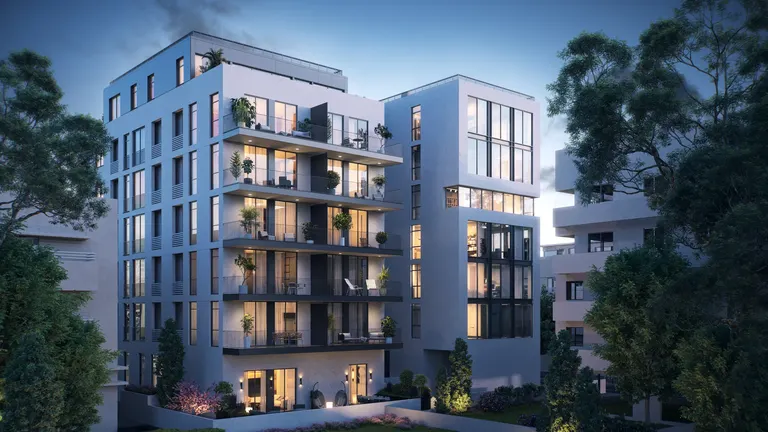
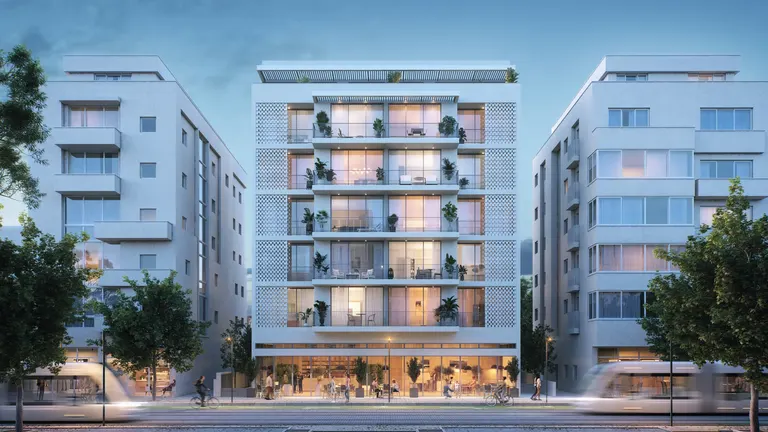
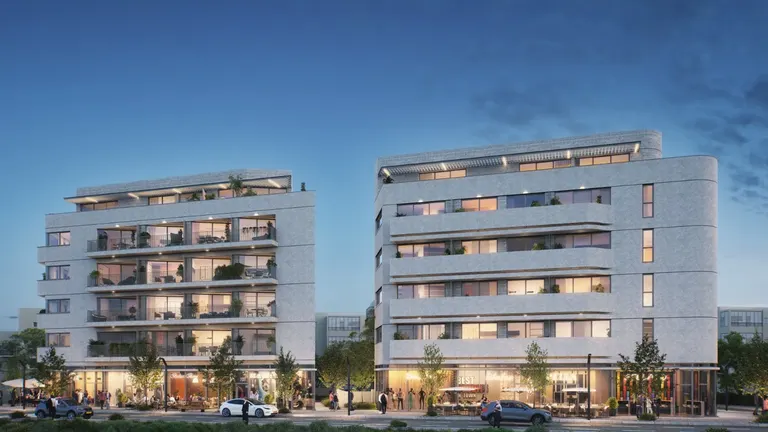
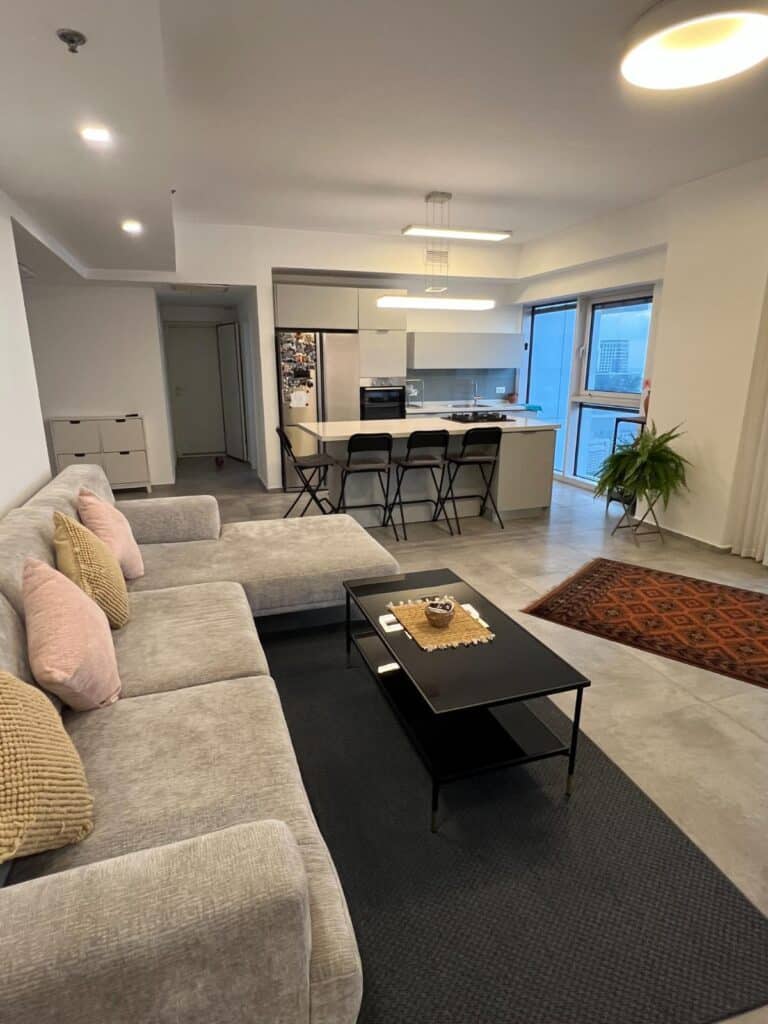
For Rent
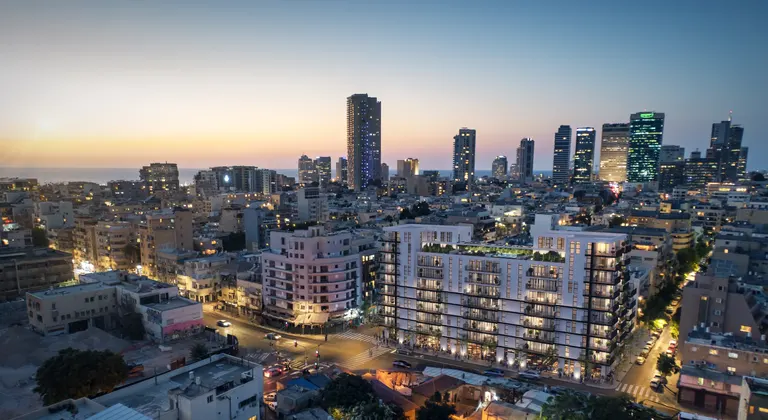
40th-Floor Apartment for Rent in Midtown Towers, Tel Aviv
Tel Aviv
112 m² · Floor 40
View PropertyShort-term rental
central jaffa family summer house
ger tsedek 6, Florentin, Tel Aviv
160 m² · Ground Floor
View Property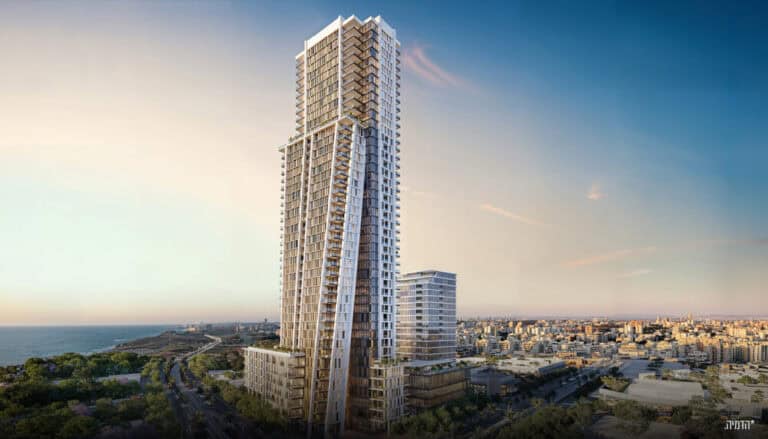
For Sale
₪6,650,000
Gindi VOGUE: 4-Room Apartment Rights Assignment in Sde Dov, Tel Aviv
Tel Aviv
4 rooms · 115.8 m² · Floor 2
View PropertyKey Factors Driving the Market:
- Cultural and Economic Appeal: Tel Aviv is Israel’s financial and tech epicenter.
- Lifestyle and Amenities: With world-class dining, nightlife, and beaches, it attracts a global audience.
- Investment Opportunities: Past price movements do not guarantee future appreciation, rent, occupancy or a profitable resale.
Tel Aviv Property Features to Investigate
- Luxury Housing Demand: Compare the actual mix of homes in the area you need; luxury listings do not describe the whole city market.
- Shift Toward Urban Renewal: Many older Bauhaus-style buildings are being renovated, offering modern amenities while preserving historical charm.
- Increasing Rental Market: Young professionals and expatriates are driving demand for rentals, especially in central areas.
Popular Neighborhoods in Tel Aviv
1. Rothschild Boulevard
- Known for: Luxury apartments, vibrant café culture, and Bauhaus architecture.
- Price Checks: Compare current offers and matched recorded transactions for the exact unit.
2. Neve Tzedek
- Known for: Quaint charm, boutique shops, and a mix of historic and modern properties. It was the first Jewish neighborhood built outside the walls of old Jaffa, at the end of the 19th century, and it sits by the beach within walking distance of Jaffa and the Carmel Market.
- Price Checks: Verify the actual building, rights, condition and comparable transactions.
3. Florentin
- Known for: Artistic vibe, affordable apartments (relative to other neighborhoods), and a younger demographic. The city calls it the center of Tel Aviv’s alternative scene, with the Levinsky market at its edge.
- Price Checks: Obtain current property-specific offers; no universal starting price is established.
4. Old North
- Known for: Proximity to parks and beaches, family-friendly atmosphere. The municipality defines it as the area between the Yarkon River in the north, Bograshov Street in the south, the sea in the west and Ibn Gabirol Street in the east, popular with young families who want a good quality of life without giving up city living.
- Price Checks: Compare actual units of similar size, floor, condition and rights.
If you’re looking at an older building in the Old North, how many floors it can add, or be rebuilt to, is set by the city’s quarter plans. Our guide to Tel Aviv Quarter Plans 3 and 4 and what can be built explains the rules street by street.
5. Lev HaIr (City Center)
- Known for: the heart of the city, with lively nightlife, restaurants, bars, cafes and plenty of shopping.
6. Ever HaYarkon (North of the Yarkon)
- Known for: a quieter, more upper-class and suburban residential area, made up of a few small neighborhoods close to Yarkon Park.
7. North Jaffa (Yafo)
- Known for: nightlife, restaurants and bars, the old city with its ancient port, and the Jaffa flea market (Shuk HaPishpeshim).
8. Bitzaron and Nahalat Yitzhak (East)
- Known for: Bitzaron is an older neighborhood that was rejuvenated and has become popular with young families who want a village-like feel.
- Nahalat Yitzhak, on the border with Givatayim, is calm and within walking distance of HaShalom train station, the Sarona-Azrieli district and the Ayalon Highway. The planned M1 and M2 metro lines are both due to stop at HaShalom; see how the Tel Aviv metro could reshape real estate for the timing.
9. South Tel Aviv: Shapira, Neve Sha’anan and HaTikva
- Known for: working-class neighborhoods that are home to many recent immigrants and refugees, and to students drawn by more affordable housing and a community feeling.
10. Kiryat Shalom and Park HaHorshot (South)
- Known for: green space and new building at the city’s southern edge. Kiryat Shalom sits next to Park HaHorshot (פארק החורשות), a large park of shaded groves and orchards with a botanical garden, picnic areas, play and fitness equipment, and lawns planted with wildflowers that bloom in winter and spring.
- New homes: a Madlan profile written with the developers around 2024 to 2025 describes a small new residential compound going up at the neighborhood’s north-west edge, beyond a new park and right beside Park HaHorshot. Older blocks are being replaced too; our news report on a Kiryat Shalom groundbreaking covers one demolish-and-rebuild (pinui-binui) project.
- Transport: NTA’s Green Line light rail has stations called Park HaHorshot and Kiryat Shalom on its southern part, from Rishon LeZion through Holon to Levinsky station, which NTA aims to open in 2028. Kiryat Shalom is also a planned station on the M1 metro line; NTA’s estimate for the metro’s first stage is 2037, an estimate rather than a date.
- Schools: the same profile lists two schools in Kiryat Shalom, one state and one state-religious, kindergartens including a municipal forest kindergarten, and a nature and environment school inside Park HaHorshot. Check the school zone and admission rules for the exact address with the city’s education department.
The same price check applies to every area on this list: compare current offers with recorded sales of similar units on the same street.
Neighborhood descriptions and boundaries: Tel Aviv-Yafo Municipality, Enjoying City Life (undated guide for new residents), checked 29 Oct 2026. Population: Central Bureau of Statistics, localities file 2023 on data.gov.il. Metro stations: NTA, M1 line and M2 line; Green Line stations and opening targets: NTA, Green Line and NTA, Green Line opening in 2028, checked 29 Oct 2026. Kiryat Shalom and Park HaHorshot: Madlan, profile of north-west Kiryat Shalom, around 2024 to 2025.
Help for New Immigrants in Tel Aviv
The Tel Aviv-Yafo Municipality runs a Department for Immigration Absorption for new residents. In its guide for newcomers, the city says the team speaks English, French and Russian and helps with finding housing, finding work and learning Hebrew. Start with the city’s New Residents pages, which list the first steps after aliyah and how to reach the department.
There’s no single English-speaking enclave. Nefesh B’Nefesh, which helps olim from North America and the UK, says the olim it works with live all over the city. Our guide to Anglo communities in Israel compares Tel Aviv with other cities.
Legal and Financial Considerations for Buyers
1. Understanding Ownership Types
- The exact property may involve registered ownership or lease rights. Check the current title extract and any ILA or other lease agreement, remaining term, renewal conditions and transfer restrictions.
- Do not infer the form of title from the neighborhood; verify the actual registered rights and restrictions.
2. Property Taxes
- Purchase Tax: Depends on the property, transaction date, buyer category and applicable relief. Eligible sole-home buyers may have a zero-rated band, while other categories use different brackets. Use the Tax Authority’s current calculator and obtain transaction-specific advice.
- Annual Property Tax (Arnona): Varies by neighborhood and property size.
3. Foreign Buyers
- Non-residents may purchase eligible property, but restrictions and approval requirements can apply, including ILA rules for transfers to persons classified as foreigners. Check the exact land rights and buyer status before signing.
- Engaging a local lawyer and understanding financing options are crucial. This is general information, not legal or tax advice; confirm with a licensed professional.
Step-by-Step Guide to Buying Property in Tel Aviv
- Define Your Budget: Consider purchase tax, closing costs, and mortgage options.
- Select a Neighborhood: Research areas that align with your lifestyle or investment goals.
- Engage Professionals:
- Hire a licensed real estate agent familiar with Tel Aviv.
- Consult a lawyer specializing in Israeli property law.
- Secure Financing: Local banks offer mortgages to foreign buyers, but requirements may vary.
- Conduct Due Diligence: Verify property ownership, zoning laws, and building permits.
- Close the Deal: Sign a purchase agreement, transfer funds, and register the property.
Renting Property in Tel Aviv
Tel Aviv’s rental market caters to a wide range of tenants, from students to executives. Key points to consider:
- Lease Duration: Confirm the agreed term, any renewal option, notice requirements and conditions in the actual lease.
- Deposit Requirements: Check the actual security requested. For covered residential leases, cost-incurring security is capped at the lower of three months’ rent or one-third of total rent for the term; other securities and exclusions need separate legal review.
- Rental Quotations:
- Studio apartments: obtain a current offer for the specific unit and lease period.
- Three-bedroom apartments: obtain a current offer and check which bills and charges are included.
FAQs About Tel Aviv Real Estate
Is Tel Aviv a good place to invest in real estate?
Assess the exact property’s total costs, rights, condition, achievable rent and downside scenarios. Neither a sought-after neighborhood nor historical prices guarantee high yield or appreciation.
What are the challenges of buying property in Tel Aviv?
- High property prices and intense competition.
- Complex legal processes, especially for non-residents.
Can foreigners get a mortgage in Israel?
Yes, but the terms depend on your residency status and financial profile. Consult a foreign real estate lawyer to navigate the options.